Add to Calendar
06/16/2025 7:30 AM06/17/2025 7:00 PMMountainDigiMarCon Latin America 2025 - Digital Marketing Conference
DigiMarCon Latin America 2025 is your chance to ...
- Hear from the most audacious and provocative speakers in the digital marketing industry.
- Gain insight into emerging strategies, the latest innovative technologies, and best practices.
- Network with thought leaders, build your network and collaborate with your peers.
DigiMarCon Latin America 2025 Digital Marketing Conference will be held from June 16th - 17th, 2025 at the luxurious Hyatt Regency Miami Hotel in Miami, Florida. Whether your goal is to reinforce customer loyalty, improve lead generation, increase sales, or drive stronger consumer engagement, the DigiMarCon Latin America 2025 program has been specifically designed to help attendees develop their audience.
Immerse yourself in topics such as digital strategy, programmatic advertising, web experience management, usability / design, mobile marketing & retargeting, customer engagement, user acquisition, social media marketing, targeting & optimization, video marketing, data science & big data, web analytics & A/B testing, email marketing, content marketing, conversion rate optimization, search engine optimization, paid search marketing, geo-targeting, predictive analysis & attribution, growth hacking, conversion rate optimization, growth marketing tools, marketing & sales automation, sustainable growth strategies, product marketing & UX / UI and much, much more!
DigiMarCon Latin America 2025 offers all of the elements you need to achieve digital marketing success! Conventional thought will be challenged, new ways of thinking will emerge, and you will leave with your head and notebook full of action items and ideas to lead your agency / team / account to even greater success.
Come to DigiMarCon Latin America 2025 and discover how to thrive as a marketer in a world where everything is digital.
ake advantage of our super saver registration rates and secure your seat early.
For more details visit https://digimarconlatam.com/
La disabilità è un tema che richiede una comunicazione attenta e mirata all’interno delle scuole. Affrontare le sfide legate all’inclusione di studenti con disabilità richiede un impegno costante da parte di tutti gli attori coinvolti: insegnanti, famiglie e compagni di classe. La creazione di un ambiente scolastico accogliente e stimolante è fondamentale per promuovere il benessere di ogni studente.
La comprensione dei processi di apprendimento specifici adatti a ciascun indivuduo è essenziale. Gli insegnanti devono adottare strategie didattiche diverse, in grado di rispondere alle varie esigenze, favorendo così l’armonia e la cooperazione tra gli alunni. In questo modo, ogni studente potrà sentirsi valorizzato e parte attiva della comunità scolastica.
Incorporare pratiche di comunicazione efficaci all’interno del contesto educativo non solo aiuta a superare le difficoltà, ma contribuisce anche a creare relazioni positive. L’ascolto e il rispetto reciproco sono pilastri fondamentali per garantire un processo formativo equilibrato e inclusivo.
Strategie di inclusione per studenti con bisogni speciali
Le strategie di inclusione per studenti con bisogni speciali devono essere integrate nei processi educativi quotidiani. È fondamentale creare un ambiente scolastico accogliente che favorisca l’apprendimento per tutti. Un approccio personalizzato alle esigenze individuali è necessario per promuovere il successo formativo.
L’uso di tecnologie assistive può facilitare l’accesso ai contenuti didattici, rendendo l’inclusione più raggiungibile. Inoltre, la formazione continua per il personale scolastico è cruciale. Formatori e insegnanti devono essere preparati ad affrontare vari stili di apprendimento.
Collaborazioni tra scuole, famiglie e specialisti contribuiscono a un supporto coordinato. Creare gruppi di lavoro multidisciplinari può migliorare la progettazione di attività che rispondano alle necessità psicopedagogiche degli studenti. Interventi mirati, attività di gruppo e pratiche inclusive stimolano l’interazione sociale.
Infine, l’ascolto attivo delle voci degli studenti con disabilità permette di adattare i percorsi formativi. Raccogliere feedback dagli studenti aiuta a identificare le aree di miglioramento e a costruire un sistema educativo che risponda realmente alle necessità di tutti.
Risorse e strumenti per insegnanti e famiglie
In un contesto educativo inclusivo, è fondamentale fornire risorse e strumenti adeguati sia agli insegnanti che alle famiglie. Questi strumenti non solo facilitano l’apprendimento degli studenti con disabilità, ma promuovono anche il benessere generale dell’intera comunità scolastica.
Strumenti di comunicazione: L’uso di tecnologie assistive può migliorare significativamente la comunicazione tra studenti, insegnanti e famiglie. Applicazioni e software dedicati possono aiutare a superare le barriere comunicative, creando un ambiente dove tutti si sentono coinvolti e ascoltati.
Formazione continua: È essenziale che gli insegnanti abbiano accesso a programmi di formazione continua riguardanti l’inclusione e le strategie di supporto. Risorse come corsi online e workshop possono offrire nuove idee e pratiche da implementare in classe.
Materiali didattici adattati: Fornire libri, giochi e altri materiali didattici che siano facilmente adattabili consente a ogni studente di apprendere in base alle proprie capacità. Le famiglie possono contribuire, selezionando risorse adatte alle esigenze specifiche dei loro figli.
Supporto psicologico: È importante che sia le famiglie che gli insegnanti abbiano accesso a servizi di supporto psicologico. Questi servizi aiutano a gestire le sfide quotidiane e promuovono un ambiente di apprendimento positivo e inclusivo.
Inoltre, le famiglie possono trovare risorse utili su piattaforme online come https://socialmamma.it/, dove si possono scambiare esperienze e strategie di supporto per affrontare le sfide legate all’inclusione.
Collaborazione tra istituzioni scolastiche e servizi sociali
La comunicazione tra istituzioni scolastiche e servizi sociali rappresenta un elemento fondamentale per garantire un apprendimento efficace e un’inclusione significativa degli studenti con disabilità. Questa sinergia permette di affrontare le diverse sfide che possono sorgere, creando un ambiente di benessere per tutti gli alunni.
È cruciale stabilire processi di collaborazione che coinvolgano non solo gli insegnanti, ma anche i professionisti dei servizi sociali, psicologi e terapisti. Questi attori possono condividere conoscenze e risorse, offrendo un supporto personalizzato che tiene conto delle esigenze specifiche degli studenti e delle loro famiglie.
Inoltre, promuovere incontri regolari tra scuola e servizi sociali consente di monitorare i progressi degli studenti e adattare le strategie educative in base ai feedback ricevuti. La creazione di una rete di sostegno integrata non solo avvantaggia il percorso di apprendimento degli alunni, ma rafforza anche il legame con le famiglie, rendendole parte attiva nel processo educativo.
Infine, è importante che la formazione continua degli insegnanti e dei professionisti dei servizi sociali si concentri sull’importanza della comunicazione e della collaborazione, affinché si possano attuare pratiche inclusive che promuovano il benessere e lo sviluppo di tutti gli studenti.
Domande e risposte:
Quali sono le principali sfide che le scuole affrontano nell’inserire studenti con disabilità?
Le scuole devono affrontare diverse sfide quando si tratta di inserire studenti con disabilità. Una delle principali difficoltà è rappresentata dalla mancanza di risorse adeguate, come assistenti dedicati e materiali didattici specifici. Inoltre, la formazione degli insegnanti è fondamentale, poiché non tutti hanno la preparazione necessaria per affrontare le esigenze particolari di questi studenti. Infine, è importante considerare anche la sensibilizzazione e l’integrazione degli altri alunni, che spesso richiede un impegno significativo da parte della comunità scolastica.
Quali strategie possono essere adottate per migliorare l’inclusione degli studenti disabili nelle scuole?
Ci sono diverse strategie che le scuole possono mettere in atto per migliorare l’inclusione degli studenti disabili. Innanzitutto, è utile sviluppare un Piano Educativo Individualizzato (PEI) che risponda alle specifiche esigenze dell’alunno. Inoltre, promuovere attività di sensibilizzazione tra gli studenti normodotati può favorire una cultura della comprensione e dell’accettazione. Le formazioni periodiche per gli insegnanti sono essenziali per garantire che abbiano le competenze necessarie per supportare tutti gli studenti. Infine, l’uso di tecnologie assistive può facilitare l’apprendimento e la partecipazione attiva degli studenti con disabilità.
Qual è il ruolo della famiglia nell’inclusione scolastica dei bambini con disabilità?
La famiglia ha un ruolo fondamentale nell’inclusione scolastica dei bambini con disabilità. I genitori possono collaborare con le scuole per garantire che le esigenze dei loro figli siano comprese e soddisfatte. La comunicazione costante tra famiglie e insegnanti è cruciale per monitorare i progressi e affrontare eventuali difficoltà. Inoltre, le famiglie possono essere coinvolte in iniziative di sensibilizzazione e formazione, contribuendo a creare un ambiente scolastico più accogliente e informato. Supportare l’autonomia del bambino a casa è altrettanto importante, poiché aiuta a costruire fiducia e abilità necessarie per la vita scolastica.
Che tipo di formazione è necessaria per gli insegnanti che lavorano con studenti disabili?
La formazione per gli insegnanti che lavorano con studenti disabili deve essere multidisciplinare e indirizzata a vari aspetti. Dovrebbero acquisire conoscenze riguardo ai diversi tipi di disabilità e ai metodi didattici inclusivi. È utile anche la formazione su come gestire comportamenti sfidanti e sviluppare relazioni positive con gli studenti. Seminars e workshop interattivi possono migliorare le abilità didattiche e sociali degli insegnanti, permettendo loro di adattare l’insegnamento in modo più efficace. Infine, è fondamentale anche una preparazione su come collaborare con le famiglie e altri professionisti, come terapeuti e psicologi, per un intervento integrato e coordinato.
Come può la tecnologia supportare gli studenti con disabilità in ambito scolastico?
La tecnologia può svolgere un ruolo chiave nel supportare gli studenti con disabilità. Strumenti come software di lettura e scrittura, app per la comunicazione e dispositivi di assistenza possono facilitare l’apprendimento e l’interazione. Le piattaforme educative online possono offrire risorse personalizzate, mentre le tecnologie per l’accessibilità consentono agli studenti di partecipare attivamente alle lezioni. È importante che le scuole forniscano formazione su queste tecnologie, sia agli studenti che agli insegnanti, per massimizzarne il potenziale. Ad esempio, l’uso di tablet con app specifiche può rendere l’apprendimento più coinvolgente e accessibile.
Quali sono le principali sfide che le scuole affrontano nella gestione degli studenti con disabilità?
Le scuole affrontano diverse sfide quando si tratta di gestire studenti con disabilità. Una delle problematiche principali è la mancanza di formazione adeguata per gli insegnanti, che spesso non hanno gli strumenti necessari per supportare efficacemente questi studenti. Inoltre, ci sono questioni legate all’inclusione, poiché non tutte le scuole sono strutturate per accogliere le diverse esigenze degli alunni. Anche la mancanza di risorse materiali e finanziarie può limitare le opportunità per questi studenti, rendendo difficile fornire il supporto adeguato. Infine, esistono anche barriere culturali e sociali, che possono influenzare la percezione e l’accettazione degli studenti con disabilità all’interno della comunità scolastica.
GET YOUR FREE DIGIMARCON BROCHURE AND NEVER MISS AN UPDATE
Sign up for email updates and get your the FREE DigiMarCon Miami brochure and stay in the know about all things DigiMarCon including price changes, discounts, and the latest speakers added to the schedule.
The DigiMarCon Difference
Business and marketing professionals have a lot of choice in events to attend. As the Premier Digital Marketing, Media and Advertising Conference & Exhibition Series worldwide see why DigiMarCon stands out above the rest in the marketing industry and why delegates keep returning year after year
Global Event Series
DigiMarCon is the Largest Digital Marketing, Media and Advertising Conference & Exhibition series in the world, with annual events held in all continents (North America, Latin America, Europe, UK, Asia Pacific, Middle East and Africa) in 13 countries (United States, Canada, Australia, New Zealand, United Kingdom, Ireland, Netherlands, Spain, Brazil, Singapore, India, United Arab Emirates and South Africa), across 33 cities (New York, Philadelphia, Boston, Toronto, Vancouver, Montreal, Houston, Dallas, Chicago, Los Angeles, San Francisco, Seattle, Washington DC, New Orleans, Atlanta, Detroit, Miami, Denver, San Diego, Phoenix, Las Vegas, Honolulu, London, Dublin, Amsterdam, Barcelona, Johannesburg, Cape Town, Dubai, Sydney, Auckland, Singapore and Sao Paulo). All DigiMarCon Events can be attended in-person or online. Wherever you are located there is a regional DigiMarCon event nearby you can attend.
5-Star Luxury Event Venues
DigiMarCon Conferences are held in top luxury 5-star event venues across the world such as; Royal Caribbean Cruise Ships, Olympic Stadiums, Marina Bay Sands Expo & Convention Centre and Wynn, JW Marriott, Marriott Marquis, Hyatt Regency, InterContinental, The Westin, Renaissance, Hilton, Conrad, W, Sheraton, Loews and Sofitel Hotel properties. Discount hotel room rates at each venue hotel means no hassle getting to and from the venue each day.
Extensive & Memorable Networking Experiences
Building relationships matter! At DigiMarCon Conferences we have more networking breaks on our program than others. On average there are 8 Networking breaks at each event giving delegates ample opportunities in a relaxed atmosphere to meet others over the 2-days at the event; from 1-hour round table networking luncheons to 3-hour dinner receptions. These networking breaks are set in picturesque locations to facilitate memorable experiences while fostering new relationships. Such experiences include enjoying cocktails and the Sunset over the Pacific Ocean on a private Ocean Terrace in Santa Monica, to being on the Sydney Olympic Stadium playing arena at night enjoying cocktails under the lights, to dining at the 360 Revolving Restaurant at the top of the CN Tower in Toronto for a Dinner Reception, enjoying cocktails on a private promenade overlooking Times Square in New York City, or having fun at the Dazzles Night Club onboard the Royal Caribbean Oasis of the Seas for a Farewell Party, etc.
Industry Thought Leaders from Leading Brands
DigiMarCon Keynotes, Panels and Master Classes are facilitated by the foremost thought leaders in the industry, from celebrity social media influencers to CMO’s from the largest Fortune 500 company brands that are disrupting the digital marketing, media and advertising industry, such as Google, Facebook, Microsoft, Amazon, Oracle, Adobe, eBay, Netflix and more. All presentations are pitch-free, and include actionable takeaways, case studies, strategies and tactics, ready to be applied when back in the office.
Premium Comfortable Meeting Spaces
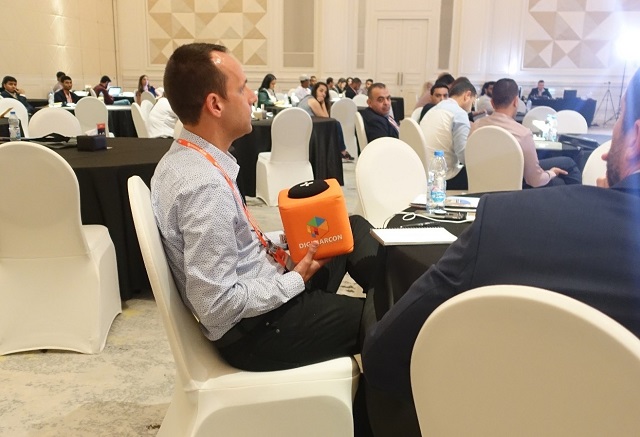
At DigiMarCon Conferences you are never ‘left in the dark’…. literally, in a large room far away from the stage and speakers, crushed in tight theater seating, without even a table, while sitting in the dark. At DigiMarCon all delegates have premium meeting space in luxurious ballroom well-lit spaces, with comfortable seating with table enabling delegates to use their laptop to take notes with ample charging facilities onsite in a comfortable space to learn and thrive. All tables are situated close with direct view of the stage.
Value for Money & Generous Discounts
DigiMarCon Conferences are affordable to attend, from single-day event passes up to two-day VIP options at a fraction of the cost of other industry events. We offer significant discounts for early bird registrations. Additionally, on top of time-limited discount pass rates, because budgets are tight, we want to make sure all groups have a chance to attend DigiMarCon. For government employees, students, academic, startups, non-profit organizations and teams, we offer generous discounts off the prevailing registration price.
Collaborative Learning & Audience Participation
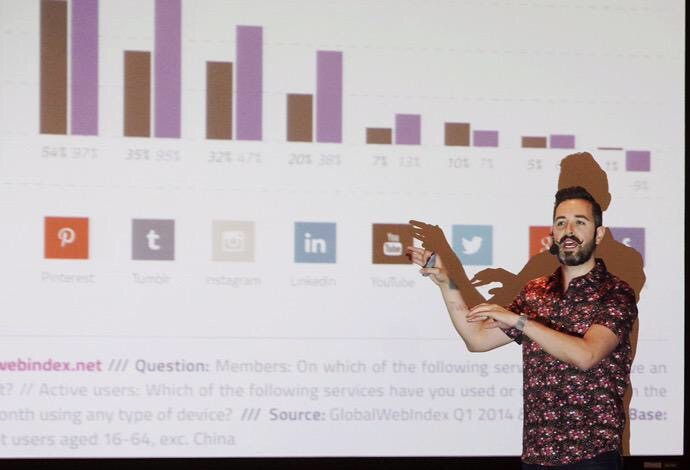
Attend DigiMarCon and you become part of the show! DigiMarCon Conferences tap into the talent of the room, drawing from the knowledge and experience of the professionals in the audience. All DigiMarCon events include regular interactive question and answer sessions with speakers and the audience ideal for collaboration, audience polls, along with ice-breaker and group exercises, steered by charismatic Emcees.
Meet the Speakers in Person
DigiMarCon Conferences put you right up and close with the speakers giving you the opportunity to meet these social media influencers which you follow in person. Speakers are never hidden in private speaker rooms away from the audience, they are in the auditorium sitting right beside you and participating.
Exceptional Customer Service
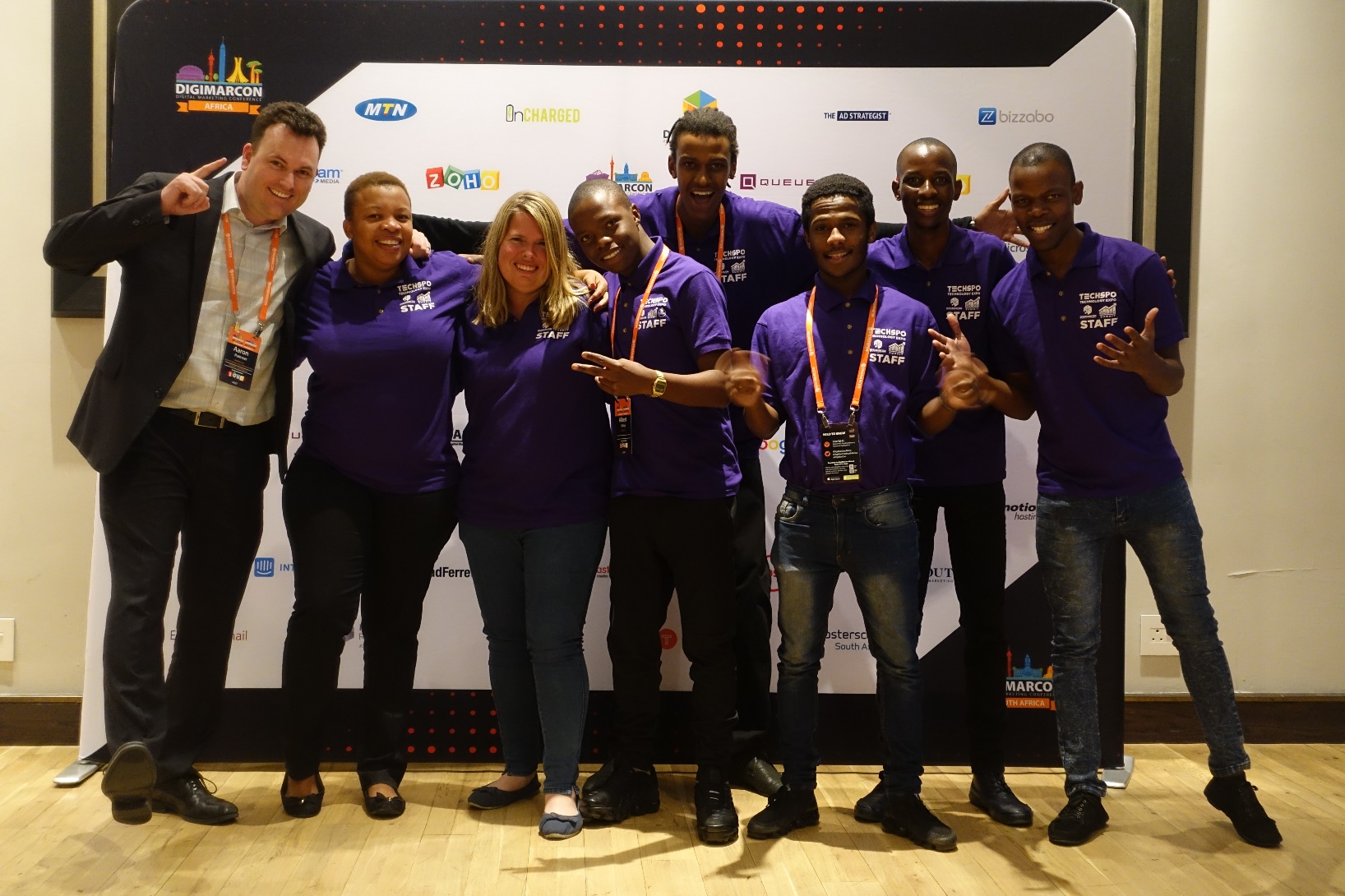
Attending a conference is a well-researched decision. There are many factors to consider such as location, time, venue, cost, speakers, content, etc. At DigiMarCon our results-obsessed Customer Service team are at your service before, during and after the event to help with your needs. It’s at the core of what we do — it drives our business. Offsite, we are ready to assist you via phone, ticket or chat. Onsite at our Conferences, friendly DigiMarCon staff serve as your hosts. They welcome your input and are happy to assist you.
TECHSPO Technology Expo
At all DigiMarCon Conferences is the co-located exclusive event TECHSPO Technology Expo, which showcases the new generation of technology and innovation, including; AdTech, MarTech, Internet, Mobile and SaaS technologies. Be inspired, amazed and educated on how these evolving technologies will impact your business for the better. Unlimited Access to TECHSPO Technology Expo is included with all DigiMarCon passes.
On Demand Library Access
DigiMarCon All Access & VIP Passes include a 12-month on demand access to hundreds of hours of DigiMarCon speaker keynotes, panels and master class presentations from recent DigiMarCon Conferences, including videos, slide decks and key takeaways, available on demand so you can watch what you want, when you want.
The Largest Digital Marketing, Media & Advertising Community
Attendees of DigiMarcon Conferences gain membership to an exclusive global Digital Marketing, Media and Advertising Community of over 500,000 worldwide subscribers to our award-winning digital marketing blog and over 100,000 members to the International Association of Digital Marketing Professionals (visit https://iadmp.org). This global community comprises of innovators, senior marketers and branders, entrepreneurs, digital executives and professionals, web & mobile strategists, designers and web project managers, business leaders, business developers, agency executives and their teams and anyone else who operates in the digital community who leverage digital, mobile, and social media marketing. We provide updates to the latest whitepapers and industry reports to keep you updated on trends, innovation and best practice digital marketing.
Safe, Clean & Hygienic Event Environment
The events industry has forever changed in a world affected by COVID-19. The health and safety of our guests, staff and community is our highest priority and paramount. The team at DigiMarCon is dedicated to ensuring a great experience at our in-person events, and that includes providing a safe, clean and hygienic environment for our delegates.
Some of the key areas we have implemented safe and hygienic measures include;
Limiting Venue Capacities to allow for Social Distancing
Health and Safety Protocols
Safe Food and Beverages and Food-handling
Sanitation Stations with Hand Sanitizer and Wet Wipes Dispensers
Sanitation and Disinfection of Common and High-Traffic Areas
Physical Distancing Measures Between Attendees
Social Distancing Room and Seating Configurations
Non-Contact Thermal Temperature Scanning
Hybrid Events: Attend In-Person or Online
DigiMarCon has always been industry leaders of the Hybrid Event experience for years (a hybrid event combines a "live" in-person event with a "virtual" online component), no one needs to miss out on attending our events. Each DigiMarCon Conference can be attended in-person (with a Main Conference, All Access or VIP Pass) or online (with a Virtual Pass) giving attendees a choice for the experience they want to have. Attending virtually by viewing a Live Stream or On Demand enables participation by people who might be unable to attend physically due to travel or time zone constraints or through a wish to reduce the carbon footprint of the event. If you would like to meet the speakers, network with fellow marketing professionals at refreshment breaks, luncheons and evening receptions, check out the latest Internet, Mobile, AdTech, MarTech and SaaS technologies providers exhibiting then it is highly recommended to attend DigiMarCon in-person. As the largest Digital Marketing, Media and Advertising Conference series with events in 33 international cities worldwide, across 13 countries, there is bound to be a DigiMarCon Event near you to attend in-person if you can.
High-Profile Audience From Leading Brands
DigiMarCon Conference Series is the annual gathering of the most powerful brands and senior agency executives in your region. The Sharpest Minds And The Most Influential Decision Makers - Together for Two Days.
Who Attends Our Conferences
Brands • Agencies • Solution & Service Providers • Media Owners • Publishers • Entrepreneurs • Start-Ups • Investors • Government • Corporates • Institutes of Higher Learning
 Event Starts in:
  Attend In-Person or Online!
 Late Rate Available Now!
 Other DigiMarCon Events












Scuola e disabilità strategie per affrontare le sfide educative quotidiane
La disabilità è un tema che richiede una comunicazione attenta e mirata all’interno delle scuole. Affrontare le sfide legate all’inclusione di studenti con disabilità richiede un impegno costante da parte di tutti gli attori coinvolti: insegnanti, famiglie e compagni di classe. La creazione di un ambiente scolastico accogliente e stimolante è fondamentale per promuovere il benessere di ogni studente.
La comprensione dei processi di apprendimento specifici adatti a ciascun indivuduo è essenziale. Gli insegnanti devono adottare strategie didattiche diverse, in grado di rispondere alle varie esigenze, favorendo così l’armonia e la cooperazione tra gli alunni. In questo modo, ogni studente potrà sentirsi valorizzato e parte attiva della comunità scolastica.
Incorporare pratiche di comunicazione efficaci all’interno del contesto educativo non solo aiuta a superare le difficoltà, ma contribuisce anche a creare relazioni positive. L’ascolto e il rispetto reciproco sono pilastri fondamentali per garantire un processo formativo equilibrato e inclusivo.
Strategie di inclusione per studenti con bisogni speciali
Le strategie di inclusione per studenti con bisogni speciali devono essere integrate nei processi educativi quotidiani. È fondamentale creare un ambiente scolastico accogliente che favorisca l’apprendimento per tutti. Un approccio personalizzato alle esigenze individuali è necessario per promuovere il successo formativo.
L’uso di tecnologie assistive può facilitare l’accesso ai contenuti didattici, rendendo l’inclusione più raggiungibile. Inoltre, la formazione continua per il personale scolastico è cruciale. Formatori e insegnanti devono essere preparati ad affrontare vari stili di apprendimento.
Collaborazioni tra scuole, famiglie e specialisti contribuiscono a un supporto coordinato. Creare gruppi di lavoro multidisciplinari può migliorare la progettazione di attività che rispondano alle necessità psicopedagogiche degli studenti. Interventi mirati, attività di gruppo e pratiche inclusive stimolano l’interazione sociale.
Infine, l’ascolto attivo delle voci degli studenti con disabilità permette di adattare i percorsi formativi. Raccogliere feedback dagli studenti aiuta a identificare le aree di miglioramento e a costruire un sistema educativo che risponda realmente alle necessità di tutti.
Risorse e strumenti per insegnanti e famiglie
In un contesto educativo inclusivo, è fondamentale fornire risorse e strumenti adeguati sia agli insegnanti che alle famiglie. Questi strumenti non solo facilitano l’apprendimento degli studenti con disabilità, ma promuovono anche il benessere generale dell’intera comunità scolastica.
Strumenti di comunicazione: L’uso di tecnologie assistive può migliorare significativamente la comunicazione tra studenti, insegnanti e famiglie. Applicazioni e software dedicati possono aiutare a superare le barriere comunicative, creando un ambiente dove tutti si sentono coinvolti e ascoltati.
Formazione continua: È essenziale che gli insegnanti abbiano accesso a programmi di formazione continua riguardanti l’inclusione e le strategie di supporto. Risorse come corsi online e workshop possono offrire nuove idee e pratiche da implementare in classe.
Materiali didattici adattati: Fornire libri, giochi e altri materiali didattici che siano facilmente adattabili consente a ogni studente di apprendere in base alle proprie capacità. Le famiglie possono contribuire, selezionando risorse adatte alle esigenze specifiche dei loro figli.
Supporto psicologico: È importante che sia le famiglie che gli insegnanti abbiano accesso a servizi di supporto psicologico. Questi servizi aiutano a gestire le sfide quotidiane e promuovono un ambiente di apprendimento positivo e inclusivo.
Inoltre, le famiglie possono trovare risorse utili su piattaforme online come https://socialmamma.it/, dove si possono scambiare esperienze e strategie di supporto per affrontare le sfide legate all’inclusione.
Collaborazione tra istituzioni scolastiche e servizi sociali
La comunicazione tra istituzioni scolastiche e servizi sociali rappresenta un elemento fondamentale per garantire un apprendimento efficace e un’inclusione significativa degli studenti con disabilità. Questa sinergia permette di affrontare le diverse sfide che possono sorgere, creando un ambiente di benessere per tutti gli alunni.
È cruciale stabilire processi di collaborazione che coinvolgano non solo gli insegnanti, ma anche i professionisti dei servizi sociali, psicologi e terapisti. Questi attori possono condividere conoscenze e risorse, offrendo un supporto personalizzato che tiene conto delle esigenze specifiche degli studenti e delle loro famiglie.
Inoltre, promuovere incontri regolari tra scuola e servizi sociali consente di monitorare i progressi degli studenti e adattare le strategie educative in base ai feedback ricevuti. La creazione di una rete di sostegno integrata non solo avvantaggia il percorso di apprendimento degli alunni, ma rafforza anche il legame con le famiglie, rendendole parte attiva nel processo educativo.
Infine, è importante che la formazione continua degli insegnanti e dei professionisti dei servizi sociali si concentri sull’importanza della comunicazione e della collaborazione, affinché si possano attuare pratiche inclusive che promuovano il benessere e lo sviluppo di tutti gli studenti.
Domande e risposte:
Quali sono le principali sfide che le scuole affrontano nell’inserire studenti con disabilità?
Le scuole devono affrontare diverse sfide quando si tratta di inserire studenti con disabilità. Una delle principali difficoltà è rappresentata dalla mancanza di risorse adeguate, come assistenti dedicati e materiali didattici specifici. Inoltre, la formazione degli insegnanti è fondamentale, poiché non tutti hanno la preparazione necessaria per affrontare le esigenze particolari di questi studenti. Infine, è importante considerare anche la sensibilizzazione e l’integrazione degli altri alunni, che spesso richiede un impegno significativo da parte della comunità scolastica.
Quali strategie possono essere adottate per migliorare l’inclusione degli studenti disabili nelle scuole?
Ci sono diverse strategie che le scuole possono mettere in atto per migliorare l’inclusione degli studenti disabili. Innanzitutto, è utile sviluppare un Piano Educativo Individualizzato (PEI) che risponda alle specifiche esigenze dell’alunno. Inoltre, promuovere attività di sensibilizzazione tra gli studenti normodotati può favorire una cultura della comprensione e dell’accettazione. Le formazioni periodiche per gli insegnanti sono essenziali per garantire che abbiano le competenze necessarie per supportare tutti gli studenti. Infine, l’uso di tecnologie assistive può facilitare l’apprendimento e la partecipazione attiva degli studenti con disabilità.
Qual è il ruolo della famiglia nell’inclusione scolastica dei bambini con disabilità?
La famiglia ha un ruolo fondamentale nell’inclusione scolastica dei bambini con disabilità. I genitori possono collaborare con le scuole per garantire che le esigenze dei loro figli siano comprese e soddisfatte. La comunicazione costante tra famiglie e insegnanti è cruciale per monitorare i progressi e affrontare eventuali difficoltà. Inoltre, le famiglie possono essere coinvolte in iniziative di sensibilizzazione e formazione, contribuendo a creare un ambiente scolastico più accogliente e informato. Supportare l’autonomia del bambino a casa è altrettanto importante, poiché aiuta a costruire fiducia e abilità necessarie per la vita scolastica.
Che tipo di formazione è necessaria per gli insegnanti che lavorano con studenti disabili?
La formazione per gli insegnanti che lavorano con studenti disabili deve essere multidisciplinare e indirizzata a vari aspetti. Dovrebbero acquisire conoscenze riguardo ai diversi tipi di disabilità e ai metodi didattici inclusivi. È utile anche la formazione su come gestire comportamenti sfidanti e sviluppare relazioni positive con gli studenti. Seminars e workshop interattivi possono migliorare le abilità didattiche e sociali degli insegnanti, permettendo loro di adattare l’insegnamento in modo più efficace. Infine, è fondamentale anche una preparazione su come collaborare con le famiglie e altri professionisti, come terapeuti e psicologi, per un intervento integrato e coordinato.
Come può la tecnologia supportare gli studenti con disabilità in ambito scolastico?
La tecnologia può svolgere un ruolo chiave nel supportare gli studenti con disabilità. Strumenti come software di lettura e scrittura, app per la comunicazione e dispositivi di assistenza possono facilitare l’apprendimento e l’interazione. Le piattaforme educative online possono offrire risorse personalizzate, mentre le tecnologie per l’accessibilità consentono agli studenti di partecipare attivamente alle lezioni. È importante che le scuole forniscano formazione su queste tecnologie, sia agli studenti che agli insegnanti, per massimizzarne il potenziale. Ad esempio, l’uso di tablet con app specifiche può rendere l’apprendimento più coinvolgente e accessibile.
Quali sono le principali sfide che le scuole affrontano nella gestione degli studenti con disabilità?
Le scuole affrontano diverse sfide quando si tratta di gestire studenti con disabilità. Una delle problematiche principali è la mancanza di formazione adeguata per gli insegnanti, che spesso non hanno gli strumenti necessari per supportare efficacemente questi studenti. Inoltre, ci sono questioni legate all’inclusione, poiché non tutte le scuole sono strutturate per accogliere le diverse esigenze degli alunni. Anche la mancanza di risorse materiali e finanziarie può limitare le opportunità per questi studenti, rendendo difficile fornire il supporto adeguato. Infine, esistono anche barriere culturali e sociali, che possono influenzare la percezione e l’accettazione degli studenti con disabilità all’interno della comunità scolastica.