/* Custom style for animate.css. Lines 1-17 moved to frontend/_animate.scss */ @keyframes bounce { from, 20%, 53%, 80%, to { animation-timing-function: cubic-bezier(0.215, 0.610, 0.355, 1.000); transform: translate3d(0,0,0); } 40%, 43% { animation-timing-function: cubic-bezier(0.755, 0.050, 0.855, 0.060); transform: translate3d(0, -30px, 0); } 70% { animation-timing-function: cubic-bezier(0.755, 0.050, 0.855, 0.060); transform: translate3d(0, -15px, 0); } 90% { transform: translate3d(0,-4px,0); } } .bounce { animation-name: bounce; transform-origin: center bottom; } @keyframes flash { from, 50%, to { opacity: 1; } 25%, 75% { opacity: 0; } } .flash { animation-name: flash; } /* originally authored by Nick Pettit - https://github.com/nickpettit/glide */ @keyframes pulse { from { transform: scale3d(1, 1, 1); } 50% { transform: scale3d(1.05, 1.05, 1.05); } to { transform: scale3d(1, 1, 1); } } .pulse { animation-name: pulse; } @keyframes rubberBand { from { transform: scale3d(1, 1, 1); } 30% { transform: scale3d(1.25, 0.75, 1); } 40% { transform: scale3d(0.75, 1.25, 1); } 50% { transform: scale3d(1.15, 0.85, 1); } 65% { transform: scale3d(.95, 1.05, 1); } 75% { transform: scale3d(1.05, .95, 1); } to { transform: scale3d(1, 1, 1); } } .rubberBand { animation-name: rubberBand; } @keyframes shake { from, to { transform: translate3d(0, 0, 0); } 10%, 30%, 50%, 70%, 90% { transform: translate3d(-10px, 0, 0); } 20%, 40%, 60%, 80% { transform: translate3d(10px, 0, 0); } } .shake { animation-name: shake; } @keyframes headShake { 0% { transform: translateX(0); } 6.5% { transform: translateX(-6px) rotateY(-9deg); } 18.5% { transform: translateX(5px) rotateY(7deg); } 31.5% { transform: translateX(-3px) rotateY(-5deg); } 43.5% { transform: translateX(2px) rotateY(3deg); } 50% { transform: translateX(0); } } .headShake { animation-timing-function: ease-in-out; animation-name: headShake; } @keyframes swing { 20% { transform: rotate3d(0, 0, 1, 15deg); } 40% { transform: rotate3d(0, 0, 1, -10deg); } 60% { transform: rotate3d(0, 0, 1, 5deg); } 80% { transform: rotate3d(0, 0, 1, -5deg); } to { transform: rotate3d(0, 0, 1, 0deg); } } .swing { transform-origin: top center; animation-name: swing; } @keyframes tada { from { transform: scale3d(1, 1, 1); } 10%, 20% { transform: scale3d(.9, .9, .9) rotate3d(0, 0, 1, -3deg); } 30%, 50%, 70%, 90% { transform: scale3d(1.1, 1.1, 1.1) rotate3d(0, 0, 1, 3deg); } 40%, 60%, 80% { transform: scale3d(1.1, 1.1, 1.1) rotate3d(0, 0, 1, -3deg); } to { transform: scale3d(1, 1, 1); } } .tada { animation-name: tada; } /* originally authored by Nick Pettit - https://github.com/nickpettit/glide */ @keyframes wobble { from { transform: none; } 15% { transform: translate3d(-25%, 0, 0) rotate3d(0, 0, 1, -5deg); } 30% { transform: translate3d(20%, 0, 0) rotate3d(0, 0, 1, 3deg); } 45% { transform: translate3d(-15%, 0, 0) rotate3d(0, 0, 1, -3deg); } 60% { transform: translate3d(10%, 0, 0) rotate3d(0, 0, 1, 2deg); } 75% { transform: translate3d(-5%, 0, 0) rotate3d(0, 0, 1, -1deg); } to { transform: none; } } .wobble { animation-name: wobble; } @keyframes jello { from, 11.1%, to { transform: none; } 22.2% { transform: skewX(-12.5deg) skewY(-12.5deg); } 33.3% { transform: skewX(6.25deg) skewY(6.25deg); } 44.4% { transform: skewX(-3.125deg) skewY(-3.125deg); } 55.5% { transform: skewX(1.5625deg) skewY(1.5625deg); } 66.6% { transform: skewX(-0.78125deg) skewY(-0.78125deg); } 77.7% { transform: skewX(0.390625deg) skewY(0.390625deg); } 88.8% { transform: skewX(-0.1953125deg) skewY(-0.1953125deg); } } .jello { animation-name: jello; transform-origin: center; } @keyframes bounceIn { from, 20%, 40%, 60%, 80%, to { animation-timing-function: cubic-bezier(0.215, 0.610, 0.355, 1.000); } 0% { opacity: 0; transform: scale3d(.3, .3, .3); } 20% { transform: scale3d(1.1, 1.1, 1.1); } 40% { transform: scale3d(.9, .9, .9); } 60% { opacity: 1; transform: scale3d(1.03, 1.03, 1.03); } 80% { transform: scale3d(.97, .97, .97); } to { opacity: 1; transform: scale3d(1, 1, 1); } } .bounceIn { animation-name: bounceIn; } @keyframes bounceInDown { from, 60%, 75%, 90%, to { animation-timing-function: cubic-bezier(0.215, 0.610, 0.355, 1.000); } 0% { opacity: 0; transform: translate3d(0, -3000px, 0); } 60% { opacity: 1; transform: translate3d(0, 25px, 0); } 75% { transform: translate3d(0, -10px, 0); } 90% { transform: translate3d(0, 5px, 0); } to { transform: none; } } .bounceInDown { animation-name: bounceInDown; } @keyframes bounceInLeft { from, 60%, 75%, 90%, to { animation-timing-function: cubic-bezier(0.215, 0.610, 0.355, 1.000); } 0% { opacity: 0; transform: translate3d(-3000px, 0, 0); } 60% { opacity: 1; transform: translate3d(25px, 0, 0); } 75% { transform: translate3d(-10px, 0, 0); } 90% { transform: translate3d(5px, 0, 0); } to { transform: none; } } .bounceInLeft { animation-name: bounceInLeft; } @keyframes bounceInRight { from, 60%, 75%, 90%, to { animation-timing-function: cubic-bezier(0.215, 0.610, 0.355, 1.000); } from { opacity: 0; transform: translate3d(3000px, 0, 0); } 60% { opacity: 1; transform: translate3d(-25px, 0, 0); } 75% { transform: translate3d(10px, 0, 0); } 90% { transform: translate3d(-5px, 0, 0); } to { transform: none; } } .bounceInRight { animation-name: bounceInRight; } @keyframes bounceInUp { from, 60%, 75%, 90%, to { animation-timing-function: cubic-bezier(0.215, 0.610, 0.355, 1.000); } from { opacity: 0; transform: translate3d(0, 3000px, 0); } 60% { opacity: 1; transform: translate3d(0, -20px, 0); } 75% { transform: translate3d(0, 10px, 0); } 90% { transform: translate3d(0, -5px, 0); } to { transform: translate3d(0, 0, 0); } } .bounceInUp { animation-name: bounceInUp; } @keyframes fadeIn { from { opacity: 0; } to { opacity: 1; } } .fadeIn { animation-name: fadeIn; } @keyframes fadeInDown { from { opacity: 0; transform: translate3d(0, -100%, 0); } to { opacity: 1; transform: none; } } .fadeInDown { animation-name: fadeInDown; } @keyframes fadeInLeft { from { opacity: 0; transform: translate3d(-100%, 0, 0); } to { opacity: 1; transform: none; } } .fadeInLeft { animation-name: fadeInLeft; } @keyframes fadeInRight { from { opacity: 0; transform: translate3d(100%, 0, 0); } to { opacity: 1; transform: none; } } .fadeInRight { animation-name: fadeInRight; } @keyframes fadeInUp { from { opacity: 0; transform: translate3d(0, 100%, 0); } to { opacity: 1; transform: none; } } .fadeInUp { animation-name: fadeInUp; } @keyframes lightSpeedIn { from { transform: translate3d(100%, 0, 0) skewX(-30deg); opacity: 0; } 60% { transform: skewX(20deg); opacity: 1; } 80% { transform: skewX(-5deg); opacity: 1; } to { transform: none; opacity: 1; } } .lightSpeedIn { animation-name: lightSpeedIn; animation-timing-function: ease-out; } @keyframes rotateIn { from { transform-origin: center; transform: rotate3d(0, 0, 1, -200deg); opacity: 0; } to { transform-origin: center; transform: none; opacity: 1; } } .rotateIn { animation-name: rotateIn; } @keyframes rotateInDownLeft { from { transform-origin: left bottom; transform: rotate3d(0, 0, 1, -45deg); opacity: 0; } to { transform-origin: left bottom; transform: none; opacity: 1; } } .rotateInDownLeft { animation-name: rotateInDownLeft; } @keyframes rotateInDownRight { from { transform-origin: right bottom; transform: rotate3d(0, 0, 1, 45deg); opacity: 0; } to { transform-origin: right bottom; transform: none; opacity: 1; } } .rotateInDownRight { animation-name: rotateInDownRight; } @keyframes rotateInUpLeft { from { transform-origin: left bottom; transform: rotate3d(0, 0, 1, 45deg); opacity: 0; } to { transform-origin: left bottom; transform: none; opacity: 1; } } .rotateInUpLeft { animation-name: rotateInUpLeft; } @keyframes rotateInUpRight { from { transform-origin: right bottom; transform: rotate3d(0, 0, 1, -90deg); opacity: 0; } to { transform-origin: right bottom; transform: none; opacity: 1; } } .rotateInUpRight { animation-name: rotateInUpRight; } /* originally authored by Nick Pettit - https://github.com/nickpettit/glide */ @keyframes rollIn { from { opacity: 0; transform: translate3d(-100%, 0, 0) rotate3d(0, 0, 1, -120deg); } to { opacity: 1; transform: none; } } .rollIn { animation-name: rollIn; } @keyframes zoomIn { from { opacity: 0; transform: scale3d(.3, .3, .3); } 50% { opacity: 1; } } .zoomIn { animation-name: zoomIn; } @keyframes zoomInDown { from { opacity: 0; transform: scale3d(.1, .1, .1) translate3d(0, -1000px, 0); animation-timing-function: cubic-bezier(0.550, 0.055, 0.675, 0.190); } 60% { opacity: 1; transform: scale3d(.475, .475, .475) translate3d(0, 60px, 0); animation-timing-function: cubic-bezier(0.175, 0.885, 0.320, 1); } } .zoomInDown { animation-name: zoomInDown; } @keyframes zoomInLeft { from { opacity: 0; transform: scale3d(.1, .1, .1) translate3d(-1000px, 0, 0); animation-timing-function: cubic-bezier(0.550, 0.055, 0.675, 0.190); } 60% { opacity: 1; transform: scale3d(.475, .475, .475) translate3d(10px, 0, 0); animation-timing-function: cubic-bezier(0.175, 0.885, 0.320, 1); } } .zoomInLeft { animation-name: zoomInLeft; } @keyframes zoomInRight { from { opacity: 0; transform: scale3d(.1, .1, .1) translate3d(1000px, 0, 0); animation-timing-function: cubic-bezier(0.550, 0.055, 0.675, 0.190); } 60% { opacity: 1; transform: scale3d(.475, .475, .475) translate3d(-10px, 0, 0); animation-timing-function: cubic-bezier(0.175, 0.885, 0.320, 1); } } .zoomInRight { animation-name: zoomInRight; } @keyframes zoomInUp { from { opacity: 0; transform: scale3d(.1, .1, .1) translate3d(0, 1000px, 0); animation-timing-function: cubic-bezier(0.550, 0.055, 0.675, 0.190); } 60% { opacity: 1; transform: scale3d(.475, .475, .475) translate3d(0, -60px, 0); animation-timing-function: cubic-bezier(0.175, 0.885, 0.320, 1); } } .zoomInUp { animation-name: zoomInUp; } @keyframes slideInDown { from { transform: translate3d(0, -100%, 0); visibility: visible; } to { transform: translate3d(0, 0, 0); } } .slideInDown { animation-name: slideInDown; } @keyframes slideInLeft { from { transform: translate3d(-100%, 0, 0); visibility: visible; } to { transform: translate3d(0, 0, 0); } } .slideInLeft { animation-name: slideInLeft; } @keyframes slideInRight { from { transform: translate3d(100%, 0, 0); visibility: visible; } to { transform: translate3d(0, 0, 0); } } .slideInRight { animation-name: slideInRight; } @keyframes slideInUp { from { transform: translate3d(0, 100%, 0); visibility: visible; } to { transform: translate3d(0, 0, 0); } } .slideInUp { animation-name: slideInUp; } {"content":[{"id":"8e94176","elType":"section","settings":{"content_width":{"unit":"px","size":740},"gap":"wider","custom_height":{"unit":"vh","size":100},"content_position":"middle","background_background":"video","background_video_link":"https:\/\/youtu.be\/DsYNaw4qoJw","background_overlay_background":"classic","background_overlay_color":"#000000","background_overlay_color_b":"#9d56c9","background_overlay_gradient_angle":{"unit":"deg","size":270},"padding":{"unit":"px","top":"0","right":"0","bottom":"0","left":"0","isLinked":false},"background_overlay_opacity":{"unit":"px","size":0.29},"height":"min-height","custom_height_mobile":{"unit":"vh","size":100},"background_video_fallback":{"url":"https:\/\/library.elementor.com\/wp-content\/uploads\/2018\/05\/background-Fallback-404.1.jpg","id":8572}},"elements":[{"id":"6e18aaf6","elType":"column","settings":{"_column_size":100,"_inline_size":null,"padding_mobile":{"unit":"px","top":"15","right":"15","bottom":"15","left":"15","isLinked":true}},"elements":[{"id":"36333044","elType":"widget","settings":{"title":"404","header_size":"p","align":"center","title_color":"#ffffff","typography_typography":"custom","typography_font_size":{"unit":"px","size":249},"typography_font_weight":"bold","typography_font_size_tablet":{"unit":"px","size":200},"typography_font_size_mobile":{"unit":"px","size":160}},"elements":[],"widgetType":"heading"},{"id":"737f2c7b","elType":"widget","settings":{"title":"The page you were looking for couldn't be found","header_size":"h3","align":"center","title_color":"#ffffff","typography_typography":"custom","typography_font_size":{"unit":"px","size":39},"typography_font_weight":"300","typography_text_transform":"capitalize","typography_font_size_tablet":{"unit":"px","size":40},"typography_font_size_mobile":{"unit":"px","size":20},"typography_line_height_tablet":{"unit":"px","size":50},"typography_line_height_mobile":{"unit":"px","size":25}},"elements":[],"widgetType":"heading"},{"id":"7fe5f44","elType":"widget","settings":{"icon":"fa fa-font-awesome","primary_color":"#ffffff","_margin":{"unit":"px","top":"60","right":"0","bottom":"60","left":"0","isLinked":false},"size":{"unit":"px","size":60},"_margin_mobile":{"unit":"px","top":"25","right":"0","bottom":"25","left":"0","isLinked":false}},"elements":[],"widgetType":"icon"},{"id":"62b0497c","elType":"widget","settings":{"icon_list":[{"text":"Home Page","icon":"fa fa-angle-right","_id":"f9100b7","link":{"url":"","is_external":"","nofollow":""}},{"text":"Services","icon":"fa fa-angle-right","_id":"6e554ae","link":{"url":"","is_external":"","nofollow":""}},{"text":"About","icon":"fa fa-angle-right","_id":"0816417","link":{"url":"","is_external":"","nofollow":""}},{"text":"Blog","icon":"fa fa-angle-right","_id":"d8c317a","link":{"url":"","is_external":"","nofollow":""}},{"text":"Contact Us","icon":"fa fa-angle-right","_id":"123a835","link":{"url":"","is_external":"","nofollow":""}}],"space_between":{"unit":"px","size":13},"icon_color":"#ffffff","text_indent":{"unit":"px","size":10},"icon_typography_typography":"custom","icon_typography_font_size":{"unit":"px","size":16},"_margin":{"unit":"px","top":"30","right":"0","bottom":"0","left":"0","isLinked":false},"view":"inline","icon_align":"center","text_color":"#ffffff","icon_typography_font_weight":"500","icon_typography_text_transform":"uppercase","icon_typography_font_size_tablet":{"unit":"px","size":16},"icon_typography_font_size_mobile":{"unit":"px","size":14},"icon_typography_line_height_mobile":{"unit":"px","size":29}},"elements":[],"widgetType":"icon-list"}],"isInner":false}],"isInner":false}],"page_settings":[]} DigiMarCon Latam- Digital Marketing, Media and Advertising Conference & ExhibitionVerbeter je Website met Snellere Laadtijden en Betere Responsiviteit
 
Miami, FL
HYATT REGENCY MIAMI
JUNE 16 - 17, 2025
 
DOWNLOAD BROCHURE

Verbeter je Website met Snellere Laadtijden en Betere Responsiviteit

October 25, 2024
Roy Pepito

In de digitale wereld waarin wij ons bevinden, is een snelle website een van de belangrijkste factoren voor het succes van een online aanwezigheid. Wanneer gebruikers op uw site komen, verwachten ze dat deze onmiddellijk laadt en soepel navigeert. Een snelle website zorgt ervoor dat bezoekers minder snel afhaken en langer blijven, wat op zijn beurt de kansen vergroot op conversies en klanttevredenheid.

Het optimaliseren van de snelheid en het gebruiksgemak van uw website kan een aanzienlijke impact hebben op de gebruikerservaring. Met een vlotte interface kunnen bezoekers gemakkelijker vinden wat ze zoeken, waardoor ze meer geneigd zijn om terug te keren. Dit benadrukt het belang van technische verbeteringen die bijdragen aan een snellere en soepelere werking van uw online platform.

Daarnaast heeft de laadsnelheid van een website invloed op uw positie in zoekmachines. Snelle websites worden vaak hoger gerankt, wat betekent dat ze meer zichtbaar zijn voor potentiële klanten. Dit maakt het verbeteren van de prestaties een strategische zetten die niet alleen het gebruiksgemak verhoogt, maar ook de online vindbaarheid versterkt.

Optimalisatie van Afbeeldingen voor Snellere Laadtijden

Afbeeldingen spelen een belangrijke rol bij de aantrekkelijkheid van een website, maar ze kunnen ook aanzienlijke invloed hebben op de snelheid en de prestaties van de site. Het verbeteren van de laadtijd is essentieel voor een soepele gebruikerservaring en biedt gebruikers snelle toegang tot de gewenste inhoud.

Een goede laadtijdoptimalisatie begint met het kiezen van het juiste afbeeldingsformaat. JPEG’s zijn ideaal voor foto’s, terwijl PNG’s vaak beter zijn voor afbeeldingen met transparantie. Door de juiste keuze te maken, wordt de bestandsgrootte verkleind zonder verlies van kwaliteit.

Daarnaast kan het comprimeren van afbeeldingen een aanzienlijke prestatieverbetering opleveren. Er zijn diverse tools beschikbaar die het mogelijk maken om de bestandsgrootte te verkleinen zonder dat dit ten koste gaat van de visuele kwaliteit. Deze compressietechnieken zijn cruciaal voor het verbeteren van de snelheid van een website.

Het implementeren van responsive afbeeldingen is ook een slimme zet. Door verschillende versies van een afbeelding te gebruiken voor verschillende schermformaten, kunnen gebruikers sneller de juiste afbeelding ontvangen, wat bijdraagt aan een efficiëntere ervaring op mobiele apparaten.

Het gebruik van lazy loading technieken kan eveneens helpen. Dit houdt in dat afbeeldingen alleen worden geladen wanneer ze zichtbaar zijn voor de gebruikers. Dit vermindert de initiële laadtijd van de pagina en zorgt ervoor dat de website sneller en gebruiksvriendelijker wordt.

Al deze methoden samen dragen bij aan een snellere respons en creëren een aangenamere surfervaring voor bezoekers. Door afbeeldingen optimaal te beheren, kan elke website zijn prestaties significant verbeteren en gebruikers een efficiënte navigatie bieden.

Verkleinen van Bestanden en het Gebruik van Browsercaching

Het optimaliseren van de technische snelheid van een website is een essentieel aspect van performanceoptimalisatie. Een belangrijke methode om de laadtijd te verkorten is het verkleinen van bestanden. Dit omvat het comprimeren van CSS-, JavaScript- en HTML-bestanden, waardoor de gegevens kleiner zijn en sneller worden geladen. Door minder data over te dragen, krijgen gebruikers een snelle website in ruil voor hun geduld.

Daarnaast speelt browsercaching een cruciale rol in het versnellen van de optimale toegang tot webpagina’s. Wanneer gebruikers een pagina voor de eerste keer bezoeken, worden verschillende elementen opgeslagen in de browsercache. Bij vervolgb bezoeken hoeven deze elementen niet opnieuw te worden gedownload, wat de algehele browsing-ervaring aanzienlijk versnelt. Dit resulteert in een significante prestatieverbetering en een sterkere gebruikerservaring.

Samengevoegd dragen deze technieken bij aan laadtijdoptimalisatie, zodat bezoekers sneller toegang krijgen tot uw content. Als je geïnteresseerd bent in gebruiksvriendelijke platforms, kun je ook kijken naar de https://instant-casino.site/ om de voordelen van een geoptimaliseerde website te ervaren.

Implementatie van Asynchrone Laadtechnieken voor Betere Responsiviteit

Asynchrone laadtechnieken vormen een krachtige benadering voor het verbeteren van de technische snelheid van webapplicaties. Door content, zoals scripts en media, pas te laden wanneer deze daadwerkelijk nodig is, kunnen gebruikers sneller toegang krijgen tot de belangrijkste onderdelen van een website. Deze methode leidt tot snellere respons en verhoogt de algehele gebruikerservaring.

Een van de meest voorkomende technieken is het gebruik van lazy loading voor afbeeldingen en video’s. Hierbij worden bestanden pas geladen op het moment dat ze in zicht komen op het scherm van de gebruiker. Dit vermindert de initiële laadtijd en draagt bij aan een aanzienlijke prestatieverbetering.

Daarnaast kunnen ontwikkelaars gebruikmaken van asynchrone JavaScript-bestanden. In plaats van dat het laden van een script de rendering van de pagina blokkeert, kunnen scripts asynchroon worden geladen, waardoor de browser de andere inhoud zonder onderbreking blijft weergeven. Hierdoor wordt de workflow van de gebruiker nauwelijks verstoord, wat de algehele performanceoptimalisatie verder bevordert.

Het combineren van deze technieken met andere optimalisatiestrategieën, zoals het minimaliseren van HTTP-verzoeken of het gebruik van content delivery networks (CDN’s), kan een aanzienlijke impact hebben op de laadtijdoptimalisatie. Door deze elementen samen te brengen, kunnen ontwikkelaars een snellere en responsievere webervaring bieden aan hun gebruikers.

Vraag-en-antwoord:

Wat is responsiviteit en waarom is het belangrijk voor websites?

Responsiviteit verwijst naar de manier waarop een website zich aanpast aan verschillende schermformaten en apparaten. Het is van groot belang omdat gebruikers tegenwoordig toegang hebben tot internet via smartphones, tablets en desktops. Een responsieve website zorgt ervoor dat gebruikers een optimale ervaring hebben, ongeacht het apparaat dat ze gebruiken. Dit verhoogt de gebruikerstevredenheid en kan zelfs de conversiepercentages verbeteren.

Hoe kan ik de laadtijd van mijn website verbeteren?

Er zijn verschillende manieren om de laadtijd van een website te verbeteren. Een van de meest effectieve manieren is het optimaliseren van afbeeldingen, door ze te comprimeren zonder verlies van kwaliteit. Daarnaast kun je het gebruik van externe scripts en plugins minimaliseren, aangezien deze de laadtijd kunnen vertragen. Ook is het aan te raden om caching te implementeren en een Content Delivery Network (CDN) te gebruiken om de laadtijd te verkorten voor gebruikers over de hele wereld.

Wat zijn enkele tools die ik kan gebruiken om de prestaties van mijn website te testen?

Er zijn verschillende tools beschikbaar om de prestaties van een website te testen. Enkele populaire opties zijn Google PageSpeed Insights, GTmetrix en Pingdom. Deze tools bieden gedetailleerde analyses van de laadtijden, responsiviteit en andere belangrijke prestatie-indicatoren. Ze geven ook aanbevelingen over hoe je de schaalbaarheid en snelheid van je website kunt verbeteren.

Wat zijn de gevolgen van een trage laadtijd voor mijn website?

Een trage laadtijd kan aanzienlijke gevolgen hebben voor een website. Ten eerste kunnen gebruikers gefrustreerd raken en de site verlaten voordat ze een actie ondernemen, zoals een aankoop of inschrijving. Dit kan leiden tot een verhoogde bounce rate en lagere conversies. Bovendien heeft Google aangegeven dat laadtijd een factor is in hun ranking-algoritmen, wat betekent dat een trage website mogelijk lager scoort in de zoekresultaten.

Hoe kan een verbeterde responsiviteit bijdragen aan mijn SEO?

Een verbeterde responsiviteit kan een positieve impact hebben op SEO door de gebruikerservaring te verbeteren. Zoekmachines zoals Google hechten veel waarde aan gebruiksvriendelijke websites die goed presteren op mobiele apparaten. Een responsieve site kan leiden tot lagere bounce rates, langere bezoektijden en hogere conversies, wat allemaal bijdraagt aan een betere ranking in de zoekresultaten. Het is dus belangrijk om ervoor te zorgen dat je site geoptimaliseerd is voor elk type apparaat.

Wat zijn de belangrijkste factoren die de responsiviteit en laadtijd van een website beïnvloeden?

De responsiviteit en laadtijd van een website worden beïnvloed door verschillende factoren. Ten eerste speelt de serverresponsietijd een grote rol; hoe sneller de server reageert op verzoeken, hoe beter de laadtijd. Daarnaast zijn de grootte en het type van media-inhoud, zoals afbeeldingen en video’s, bepalend. Geoptimaliseerde media kunnen de laadtijd aanzienlijk verkorten. Verder is de manier waarop de code van de website is opgebouwd van belang. Goed gestructureerde en minimalistische code zorgt voor snellere laadtijden. Tenslotte hebben externe scripts en plugins invloed; teveel of slecht geconfigureerde scripts kunnen de prestaties negatief beïnvloeden.

GET YOUR FREE DIGIMARCON BROCHURE AND
NEVER MISS AN UPDATE

Sign up for email updates and get your the FREE DigiMarCon Miami brochure and stay in the know about all things DigiMarCon including price changes, discounts, and the latest speakers added to the schedule.

The DigiMarCon Difference

Business and marketing professionals have a lot of choice in events to attend.
As the Premier Digital Marketing, Media and Advertising Conference & Exhibition Series worldwide
see why DigiMarCon stands out above the rest in the marketing industry
and why delegates keep returning year after year

Global Event Series

DigiMarCon is the Largest Digital Marketing, Media and Advertising Conference & Exhibition series in the world, with annual events held in all continents (North America, Latin America, Europe, UK, Asia Pacific, Middle East and Africa) in 13 countries (United States, Canada, Australia, New Zealand, United Kingdom, Ireland, Netherlands, Spain, Brazil, Singapore, India, United Arab Emirates and South Africa), across 33 cities (New York, Philadelphia, Boston, Toronto, Vancouver, Montreal, Houston, Dallas, Chicago, Los Angeles, San Francisco, Seattle, Washington DC, New Orleans, Atlanta, Detroit, Miami, Denver, San Diego, Phoenix, Las Vegas, Honolulu, London, Dublin, Amsterdam, Barcelona, Johannesburg, Cape Town, Dubai, Sydney, Auckland, Singapore and Sao Paulo). All DigiMarCon Events can be attended in-person or online. Wherever you are located there is a regional DigiMarCon event nearby you can attend.

5-Star Luxury Event Venues

DigiMarCon Conferences are held in top luxury 5-star event venues across the world such as; Royal Caribbean Cruise Ships, Olympic Stadiums, Marina Bay Sands Expo & Convention Centre and Wynn, JW Marriott, Marriott Marquis, Hyatt Regency, InterContinental, The Westin, Renaissance, Hilton, Conrad, W, Sheraton, Loews and Sofitel Hotel properties. Discount hotel room rates at each venue hotel means no hassle getting to and from the venue each day.

Extensive & Memorable Networking Experiences

Building relationships matter! At DigiMarCon Conferences we have more networking breaks on our program than others. On average there are 8 Networking breaks at each event giving delegates ample opportunities in a relaxed atmosphere to meet others over the 2-days at the event; from 1-hour round table networking luncheons to 3-hour dinner receptions. These networking breaks are set in picturesque locations to facilitate memorable experiences while fostering new relationships. Such experiences include enjoying cocktails and the Sunset over the Pacific Ocean on a private Ocean Terrace in Santa Monica, to being on the Sydney Olympic Stadium playing arena at night enjoying cocktails under the lights, to dining at the 360 Revolving Restaurant at the top of the CN Tower in Toronto for a Dinner Reception, enjoying cocktails on a private promenade overlooking Times Square in New York City, or having fun at the Dazzles Night Club onboard the Royal Caribbean Oasis of the Seas for a Farewell Party, etc.

Industry Thought Leaders from Leading Brands

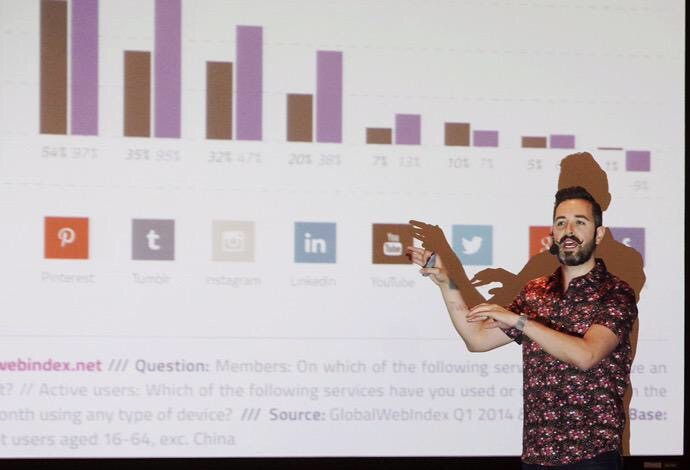
DigiMarCon Keynotes, Panels and Master Classes are facilitated by the foremost thought leaders in the industry, from celebrity social media influencers to CMO’s from the largest Fortune 500 company brands that are disrupting the digital marketing, media and advertising industry, such as Google, Facebook, Microsoft, Amazon, Oracle, Adobe, eBay, Netflix and more. All presentations are pitch-free, and include actionable takeaways, case studies, strategies and tactics, ready to be applied when back in the office.

Premium Comfortable Meeting Spaces

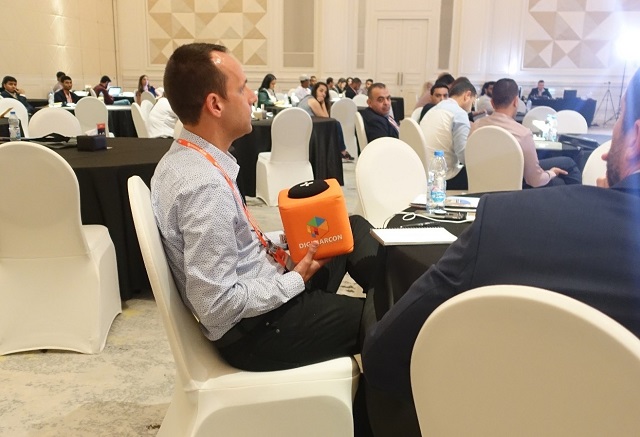
At DigiMarCon Conferences you are never ‘left in the dark’…. literally, in a large room far away from the stage and speakers, crushed in tight theater seating, without even a table, while sitting in the dark. At DigiMarCon all delegates have premium meeting space in luxurious ballroom well-lit spaces, with comfortable seating with table enabling delegates to use their laptop to take notes with ample charging facilities onsite in a comfortable space to learn and thrive. All tables are situated close with direct view of the stage.

Value for Money & Generous Discounts

DigiMarCon Conferences are affordable to attend, from single-day event passes up to two-day VIP options at a fraction of the cost of other industry events. We offer significant discounts for early bird registrations. Additionally, on top of time-limited discount pass rates, because budgets are tight, we want to make sure all groups have a chance to attend DigiMarCon. For government employees, students, academic, startups, non-profit organizations and teams, we offer generous discounts off the prevailing registration price.

Collaborative Learning & Audience Participation

Attend DigiMarCon and you become part of the show! DigiMarCon Conferences tap into the talent of the room, drawing from the knowledge and experience of the professionals in the audience. All DigiMarCon events include regular interactive question and answer sessions with speakers and the audience ideal for collaboration, audience polls, along with ice-breaker and group exercises, steered by charismatic Emcees.

Meet the Speakers in Person

DigiMarCon Conferences put you right up and close with the speakers giving you the opportunity to meet these social media influencers which you follow in person. Speakers are never hidden in private speaker rooms away from the audience, they are in the auditorium sitting right beside you and participating.

Exceptional Customer Service

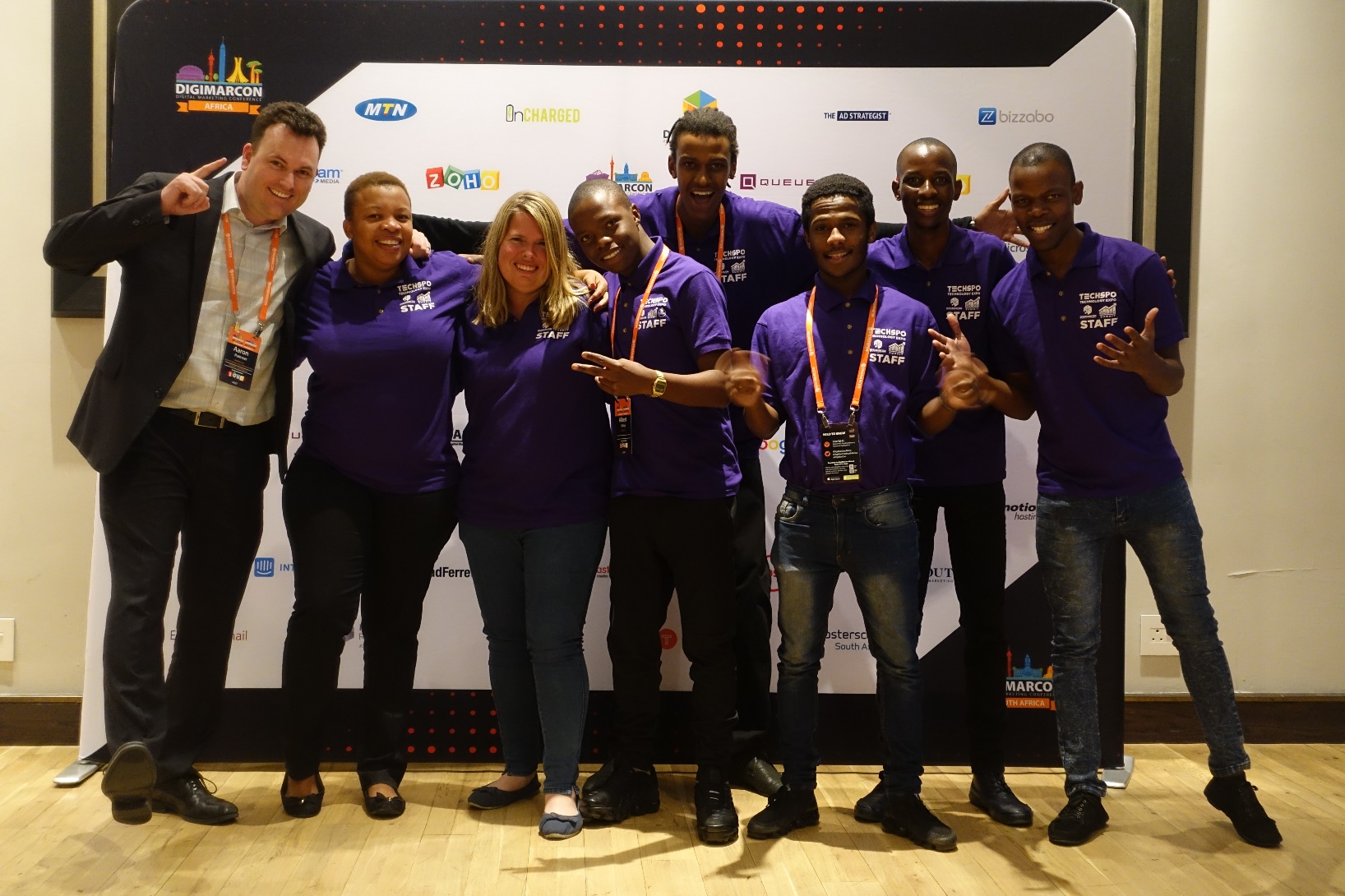
Attending a conference is a well-researched decision. There are many factors to consider such as location, time, venue, cost, speakers, content, etc. At DigiMarCon our results-obsessed Customer Service team are at your service before, during and after the event to help with your needs. It’s at the core of what we do — it drives our business. Offsite, we are ready to assist you via phone, ticket or chat. Onsite at our Conferences, friendly DigiMarCon staff serve as your hosts. They welcome your input and are happy to assist you.

TECHSPO Technology Expo

At all DigiMarCon Conferences is the co-located exclusive event TECHSPO Technology Expo, which showcases the new generation of technology and innovation, including; AdTech, MarTech, Internet, Mobile and SaaS technologies. Be inspired, amazed and educated on how these evolving technologies will impact your business for the better. Unlimited Access to TECHSPO Technology Expo is included with all DigiMarCon passes.

On Demand Library Access

DigiMarCon All Access & VIP Passes include a 12-month on demand access to hundreds of hours of DigiMarCon speaker keynotes, panels and master class presentations from recent DigiMarCon Conferences, including videos, slide decks and key takeaways, available on demand so you can watch what you want, when you want.

The Largest Digital Marketing, Media & Advertising Community

Attendees of DigiMarcon Conferences gain membership to an exclusive global Digital Marketing, Media and Advertising Community of over 500,000 worldwide subscribers to our award-winning digital marketing blog and over 100,000 members to the International Association of Digital Marketing Professionals (visit https://iadmp.org). This global community comprises of innovators, senior marketers and branders, entrepreneurs, digital executives and professionals, web & mobile strategists, designers and web project managers, business leaders, business developers, agency executives and their teams and anyone else who operates in the digital community who leverage digital, mobile, and social media marketing. We provide updates to the latest whitepapers and industry reports to keep you updated on trends, innovation and best practice digital marketing.

Safe, Clean & Hygienic Event Environment

The events industry has forever changed in a world affected by COVID-19. The health and safety of our guests, staff and community is our highest priority and paramount. The team at DigiMarCon is dedicated to ensuring a great experience at our in-person events, and that includes providing a safe, clean and hygienic environment for our delegates. Some of the key areas we have implemented safe and hygienic measures include;

  • Limiting Venue Capacities to allow for Social Distancing
  • Health and Safety Protocols
  • Safe Food and Beverages and Food-handling
  • Sanitation Stations with Hand Sanitizer and Wet Wipes Dispensers
  • Sanitation and Disinfection of Common and High-Traffic Areas
  • Physical Distancing Measures Between Attendees
  • Social Distancing Room and Seating Configurations
  • Non-Contact Thermal Temperature Scanning

Hybrid Events: Attend In-Person or Online

DigiMarCon has always been industry leaders of the Hybrid Event experience for years (a hybrid event combines a "live" in-person event with a "virtual" online component), no one needs to miss out on attending our events. Each DigiMarCon Conference can be attended in-person (with a Main Conference, All Access or VIP Pass) or online (with a Virtual Pass) giving attendees a choice for the experience they want to have. Attending virtually by viewing a Live Stream or On Demand enables participation by people who might be unable to attend physically due to travel or time zone constraints or through a wish to reduce the carbon footprint of the event. If you would like to meet the speakers, network with fellow marketing professionals at refreshment breaks, luncheons and evening receptions, check out the latest Internet, Mobile, AdTech, MarTech and SaaS technologies providers exhibiting then it is highly recommended to attend DigiMarCon in-person. As the largest Digital Marketing, Media and Advertising Conference series with events in 33 international cities worldwide, across 13 countries, there is bound to be a DigiMarCon Event near you to attend in-person if you can.

High-Profile Audience From Leading Brands

DigiMarCon Conference Series is the annual gathering of the most powerful brands and senior agency executives in your region. The Sharpest Minds And The Most Influential Decision Makers - Together for Two Days.

Who Attends Our Conferences
Brands • Agencies • Solution & Service Providers • Media Owners • Publishers • Entrepreneurs • Start-Ups • Investors • Government • Corporates • Institutes of Higher Learning

PRICE INCREASES IN
PRICE INCREASES IN: