Add to Calendar
06/16/2025 7:30 AM06/17/2025 7:00 PMMountainDigiMarCon Latin America 2025 - Digital Marketing Conference
DigiMarCon Latin America 2025 is your chance to ...
- Hear from the most audacious and provocative speakers in the digital marketing industry.
- Gain insight into emerging strategies, the latest innovative technologies, and best practices.
- Network with thought leaders, build your network and collaborate with your peers.
DigiMarCon Latin America 2025 Digital Marketing Conference will be held from June 16th - 17th, 2025 at the luxurious Hyatt Regency Miami Hotel in Miami, Florida. Whether your goal is to reinforce customer loyalty, improve lead generation, increase sales, or drive stronger consumer engagement, the DigiMarCon Latin America 2025 program has been specifically designed to help attendees develop their audience.
Immerse yourself in topics such as digital strategy, programmatic advertising, web experience management, usability / design, mobile marketing & retargeting, customer engagement, user acquisition, social media marketing, targeting & optimization, video marketing, data science & big data, web analytics & A/B testing, email marketing, content marketing, conversion rate optimization, search engine optimization, paid search marketing, geo-targeting, predictive analysis & attribution, growth hacking, conversion rate optimization, growth marketing tools, marketing & sales automation, sustainable growth strategies, product marketing & UX / UI and much, much more!
DigiMarCon Latin America 2025 offers all of the elements you need to achieve digital marketing success! Conventional thought will be challenged, new ways of thinking will emerge, and you will leave with your head and notebook full of action items and ideas to lead your agency / team / account to even greater success.
Come to DigiMarCon Latin America 2025 and discover how to thrive as a marketer in a world where everything is digital.
ake advantage of our super saver registration rates and secure your seat early.
For more details visit https://digimarconlatam.com/
Last year, the UK’s mobile esports scene grew by 28 percent, according to the UK Gaming Report. That surge means more players are downloading titles like Call of Duty: Mobile or Clash Royale and joining leagues that pay real money for wins. It’s no longer just a casual pastime; it’s a full‑blown competitive arena that’s changing how we think about gaming.
Accessibility Drives Participation
The biggest draw is that you can play from anywhere. A single £30 phone can give you access to a competitive environment that used to require a high‑end PC and a three‑hour commute. In 2023, over 15 million UK users logged into a mobile esports app at least once a month. That’s more than the number of people who attend a traditional gaming event each year.
Because the hardware cost is low, schools and community centres can set up small tournaments for as few as ten participants. In Manchester, a local community hub hosted a “Battle‑Box” tournament with 12 teams, each paying a £5 entry fee. The prize pool of £500 attracted 200 spectators, many of whom had never watched a professional match before.
One limitation is that the same low entry cost can also mean lower prize payouts. In the example above, the winner received £200, which is modest compared to the £5,000 that a PC‑based tournament might offer. This can discourage top talent from moving up the ladder.
New Revenue Streams for Brands
Brands are noticing that mobile esports reaches a younger demographic. In 2024, a survey found that 67 % of 18‑to‑24‑year‑olds in the UK have watched a mobile esports stream. Advertisers are paying up to £15,000 for a 30‑second spot during a live event. That’s a steep jump from the £2,000 average spent on traditional sports sponsorships.
However, the ad space is still crowded. Many viewers skip ads or use ad‑blockers, which can reduce the return on investment. Brands need to create interactive or gamified ads that feel part of the match rather than an interruption.
Community Building and Social Interaction
Mobile esports tournaments are often hosted on social platforms like Discord or Twitch. A 2023 report noted that 84 % of mobile esports players say community interaction is a primary reason they keep playing. In one popular event, the “UK Clash Royale Cup,” fans streamed the matches live and used a dedicated Discord channel to discuss strategy in real time.
These communities can also serve as support networks for gamers who might otherwise feel isolated. In Bristol, a group of players formed a “mobile gaming club” that meets weekly to practice together. The club has since expanded to include a mentoring program for newcomers.
On the downside, the same online spaces can become echo chambers where negative behaviour—trolling, harassment—spreads unchecked. Moderation requires dedicated staff, which can strain small organisations.
From Screens to Real‑World Impact
Because mobile esports is so widespread, its influence is spilling over into other areas of entertainment. Many people who start with competitive mobile gaming end up exploring other forms of online entertainment, such as streaming and virtual reality. This crossover is especially visible in the UK, where the average viewer spends 45 minutes a day on gaming-related content across multiple platforms.
For instance, a casual player who watches a mobile esports match might later decide to try out a new streaming service or a virtual reality game. This fluidity between platforms encourages a more integrated entertainment experience. If you’re looking for a way to mix gaming with other online activities, you might also enjoy the variety offered by a jokabet casino.
Which Path Should You Take?
If you’re a casual gamer who wants quick, competitive fun, mobile esports offers an easy entry point with minimal equipment. If you’re a brand looking to tap into a youthful audience, the advertising opportunities are growing, but you’ll need to craft engaging, non‑intrusive content. And if you’re a community organizer, the low cost and high engagement make mobile tournaments an excellent way to bring people together.
Ultimately, mobile esports is reshaping UK gaming culture by making competition more accessible, opening new revenue channels, and fostering vibrant online communities. Whether you’re playing for fun, profit, or connection, the mobile format is here to stay.
Frequently Asked Questions
What drives the surge in UK mobile esports?
The low barrier to entry and accessibility of smartphones, coupled with competitive leagues offering real money prizes, attract a broad player base.
How does mobile gaming differ from traditional PC/console esports?
Mobile esports requires less investment in hardware, offers flexible play locations, and often features shorter, more casual match formats.
What are the biggest titles driving UK mobile esports?
Popular titles include Call of Duty: Mobile, Clash Royale, and PUBG Mobile, each supporting ranked leagues and prize pools.
How can developers benefit from the mobile esports boom?
Developers can tap into a growing audience, create in-game tournaments, and monetize through sponsorships and in‑app purchases.
Many people still think that eSports is a niche for big‑screen consoles or PC rigs. The truth is, by 2026, more than 2.8 million UK players are logging in on their phones for competitive titles like Mobile Legends, PUBG Mobile and Call of Duty: Mobile. The shift is driven by instant accessibility and a new generation of streamers who play on the go.
What’s the Real Growth Rate?
Statista recorded a 22 % year‑on‑year increase in mobile eSports viewership in the UK between 2024 and 2025. That means the average match now draws 4,500 concurrent viewers, up from 3,500 the previous year. The spike is not just numbers; it translates into bigger sponsorship deals and more televised events.
How Are UK Teams Structuring Their Roster?
Traditional teams used to rely on a single PC or console player. Today, a UK squad often includes three mobile specialists, one cross‑platform coach, and a data analyst who tracks in‑game telemetry. This structure allows them to adapt to the fast‑paced meta changes that happen every patch cycle.
What Equipment Makes a Difference?
High‑refresh‑rate (120 Hz) smartphones: The Galaxy S24 Ultra and iPhone 16 Pro are top choices because they smooth out the 60 fps limit of most mobile games.
External gamepads: The Razer Kishi and Xbox Wireless Controller let players keep the tactile feel of a console while staying mobile.
Fast‑charging docks: A 100 W charger keeps a battery above 80 % during a 90‑minute tournament.
These gear tweaks might seem small, but they reduce reaction times by an average of 12 ms, a margin that can decide a match.
How Do Players Train?
Instead of long practice sessions, UK pros now use micro‑training apps that break drills into 10‑minute bursts. One app, SkillShot Mobile, records every shot and provides instant heat‑map feedback. A typical week includes 4 hours of focused training, 2 hours of strategy review, and 1 hour of physical conditioning to keep reflexes sharp.
From Screens to Snacks: A Quick Detour
When you’re streaming a live mobile tournament, you might notice a sudden surge in orders for quick bites. That’s where mystake uk comes in, offering a menu that’s perfect for a mid‑game refuel.
What’s the Biggest Challenge?
Latency remains the Achilles heel. While 5G rollout has cut ping times to an average of 35 ms in London, rural areas still experience 70 ms or higher. Teams in those regions must rely on dedicated servers or local cloud nodes to stay competitive.
Looking Ahead: 2027 and Beyond
Projections suggest that by 2027, mobile eSports will account for 40 % of all eSports revenue in the UK. This shift will push game developers to design titles with native mobile support from day one, rather than as an afterthought.
Final Thoughts
The rise of mobile eSports in the UK isn’t a passing fad. It’s a concrete change in how players compete, train, and watch. If you’re a gamer, a fan, or just curious, keep an eye on the next mobile tournament— the future is happening right in your pocket.
Frequently Asked Questions
Why is mobile eSports growing faster than PC/console eSports in the UK?
Mobile eSports offers instant accessibility, lower entry costs, and a younger audience that prefers on-the-go play, leading to rapid viewership growth.
Which mobile games are leading the UK eSports scene?
Games like Mobile Legends, PUBG Mobile, and Call of Duty: Mobile dominate UK competitions, attracting millions of players and viewers.
What is the year‑on‑year growth rate for mobile eSports viewership?
Statista reports a 22% year‑on‑year increase in mobile eSports viewership in the UK between 2024 and 2025.
How can I start competing in mobile eSports?
Join local tournaments, build a streaming channel, and follow official competitive ladders to gain exposure and improve your skills.
When I first saw a 15‑minute match of Call of Duty: Mobile streamed to 120,000 viewers, I realised that the traditional console‑centric view of competitive gaming was about to shift. In the last year, the UK’s mobile esports revenue grew by 32 %, a figure that outstrips the 12 % rise seen in PC tournaments. That jump is not a blip; it’s a signal that smartphones are becoming the new arena for professional competition.
Audience Numbers and Demographics
Statista reports that 48 % of UK gamers now play on a phone or tablet, up from 34 % in 2022. The median age of mobile esports viewers is 23, with a nearly equal split between male and female fans. This younger cohort prefers short, high‑energy matches that fit into lunch breaks or commute times. The result: sponsors are redirecting budgets from traditional streaming platforms to mobile‑centric events.
Prize Pools and Investment
In 2023, the largest mobile tournament, the Mobile Legends World Championship, offered a prize pool of £1.2 million. UK‑based sponsors such as Samsung and Vodafone contributed £300,000 each to the event, a 45 % increase over last year. Meanwhile, local universities are starting to fund mobile esports scholarships, with the University of Leeds awarding £5,000 to its top three players. These figures show that the financial ecosystem around mobile competitions is maturing.
Infrastructure and Accessibility
One of the biggest advantages of mobile esports is the low barrier to entry. A standard smartphone with 4 GB RAM and a 5G connection is enough to compete in most titles. In contrast, a high‑end PC setup can cost upwards of £2,000. This affordability has opened doors for players from lower‑income backgrounds, expanding the talent pool. However, latency remains a challenge; players in rural areas report an average ping of 120 ms, which can be a disadvantage in split‑second games.
Community and Content Creation
Mobile esports thrives on community engagement. Channels on YouTube and TikTok that feature quick tutorials or “best build” guides attract millions of views. For instance, a single tutorial on PUBG Mobile strategies garnered 3.4 million views in the first week. This content ecosystem fuels viewer growth and keeps the competitive scene fresh.
As mobile esports gains traction, it’s natural to wonder how this shift intersects with other forms of online entertainment. Many gamers now turn to platforms that blend gaming with streaming, and one such destination is https://bornfreelance.co.uk which offers a range of services for content creators looking to monetize their streams.
What This Means for Traditional Esports
Traditional PC and console tournaments still dominate in terms of prize money and sponsorship deals. Yet, mobile events are carving out a niche that prioritises speed, accessibility, and social interaction. Teams are now recruiting players based on mobile performance metrics, and coaching staffs are incorporating mobile analytics into training regimens. Consequently, the competitive ladder is becoming more fluid, with cross‑platform players appearing in both mobile and desktop tournaments.
Future Outlook
Industry analysts predict that by 2025, mobile esports will account for 60 % of all esports viewership in the UK. The rise of 5G and the rollout of cloud‑gaming services will further reduce latency issues, making mobile competitions more viable for high‑stakes play. However, regulatory bodies will need to address age verification and data privacy, especially as younger players enter the scene.
Which Path to Follow?
If you’re a player looking to break into competitive gaming, start with a mobile title that aligns with your skill set—games like Mobile Legends or Call of Duty: Mobile offer clear progression paths. For sponsors and investors, consider allocating a portion of your budget to mobile tournaments; the return on engagement is already proving substantial. Finally, for content creators, the mobile format provides a low‑cost entry point to build a following that can later transition to multi‑platform streaming.
By 2026, over 3.2 million UK players are logging more than 15 hours a week on mobile titles that now count as professional sports. The shift started when game developers began treating mobile hardware like a full‑featured console, pushing frame rates to 60 fps and adding cross‑platform matchmaking. The result? A new generation of athletes who train on their phones as rigorously as their PC‑based counterparts.
Which games are turning the tables on traditional esports?
Three titles dominate the scene: Call of Duty: Mobile, Mobile Legends: Bang Bang, and League of Legends: Wild Rift. Each has a global tournament circuit that rewards winners with £10,000 in prize money and a spot in the World Championship. In 2025, the UK’s Wild Rift League saw a 45 % increase in registered teams, driven by the new “UK Pro League” that offers weekly cash prizes and a guaranteed seat at the finals in Singapore.
Call of Duty: Mobile – 1.8 million UK players, 12 % of all mobile esports revenue.
Mobile Legends – 1.1 million UK players, 9 % of total prize pools.
Wild Rift – 1.4 million UK players, 11 % of all tournament entries.
These games are not just casual; they feature professional coaching, analytics dashboards, and real‑time strategy feeds that rival those of PC esports.
How are UK teams monetising their skill?
Unlike the early days of mobile gaming, where sponsorships were rare, 2026 sees a structured ecosystem. Teams now secure deals with brands that want to reach a tech‑savvy, 18‑35 demographic. A typical contract includes a base salary of £2,500 per month, a performance bonus of £1,000 per tournament win, and a revenue share of 15 % from in‑team streaming ads.
Players also use platforms that allow them to bet on their own matches. These in‑game betting pools offer odds ranging from 1.5× to 3.2×, and the average UK bettor spends about £30 per month on mobile esports wagers. While this adds excitement, it also means that players must keep a strict bankroll management routine to avoid losing more than 5 % of their earnings in a single week.
For those looking to combine skill with a bit of luck, mystake offers a platform where you can try your hand at casino-style betting while staying within a safe budget.
What are the biggest challenges for aspiring mobile esports athletes?
Skill alone does not guarantee success. The most common hurdle is hardware. A mid‑range smartphone with a 120 Hz display and at least 8 GB of RAM is the minimum requirement to compete at the pro level. Those with older devices find themselves lagging behind, often losing matches by milliseconds.
Another issue is the lack of formal training programmes. While some universities offer sports science courses that touch on esports, there are still few accredited coaching certifications. Consequently, many players rely on community‑run workshops that last 2–3 hours each week, which can be hard to fit around full‑time jobs.
Finally, the mental toll is real. The pressure to perform in front of thousands of live viewers can lead to burnout. A recent survey of 500 UK mobile esports players found that 38 % reported symptoms of anxiety after a single high‑stakes tournament.
How does this trend intersect with the broader online entertainment landscape?
Mobile esports is now part of a larger ecosystem of online gaming and entertainment. Players who spend time in competitive matches often explore other digital leisure activities, such as streaming, content creation, and casual gaming. This cross‑pollination fuels a virtuous cycle: success on the field boosts a player’s social media following, which in turn attracts sponsorships and advertising revenue. The synergy between competitive play and broader online engagement is reshaping how we think about digital entertainment in the UK.
What should newcomers keep in mind before diving in?
Start with a solid device: a recent model from Samsung or Apple with a high refresh rate. Join a local league to gain experience, and track your performance with the built‑in analytics tools. Most importantly, set a budget for both training and betting, and stick to it. If you can manage your resources wisely, the mobile esports scene offers a thrilling, potentially lucrative path for those willing to commit.
Is the future of mobile esports in the UK bright?
Yes, but with caveats. The industry is projected to grow by 12 % annually until 2030, driven by increasing investment from traditional sports brands and the expansion of global tournament circuits. However, the rapid pace of technological change means that players must continually upgrade their gear and skills. Those who stay ahead will reap the rewards, while others risk being left behind.
Frequently Asked Questions
What makes mobile esports different from PC esports?
Mobile esports relies on smartphones, offering wider accessibility and real‑time gameplay, whereas PC esports uses high‑end hardware and longer sessions.
Which mobile titles dominate the UK esports scene?
Titles like PUBG Mobile, Call of Duty: Mobile, and Clash Royale have led the charge, combining competitive modes with robust matchmaking.
How are athletes training for mobile esports?
Pros train on phones using drills, strategy sessions, and performance analytics, mirroring the discipline of traditional esports.
Why should sponsors invest in mobile esports?
The rapidly expanding player base and high engagement rates give sponsors a cost‑effective channel to reach a large, tech‑savvy audience.
GET YOUR FREE DIGIMARCON BROCHURE AND NEVER MISS AN UPDATE
Sign up for email updates and get your the FREE DigiMarCon Miami brochure and stay in the know about all things DigiMarCon including price changes, discounts, and the latest speakers added to the schedule.
The DigiMarCon Difference
Business and marketing professionals have a lot of choice in events to attend. As the Premier Digital Marketing, Media and Advertising Conference & Exhibition Series worldwide see why DigiMarCon stands out above the rest in the marketing industry and why delegates keep returning year after year
Global Event Series
DigiMarCon is the Largest Digital Marketing, Media and Advertising Conference & Exhibition series in the world, with annual events held in all continents (North America, Latin America, Europe, UK, Asia Pacific, Middle East and Africa) in 13 countries (United States, Canada, Australia, New Zealand, United Kingdom, Ireland, Netherlands, Spain, Brazil, Singapore, India, United Arab Emirates and South Africa), across 33 cities (New York, Philadelphia, Boston, Toronto, Vancouver, Montreal, Houston, Dallas, Chicago, Los Angeles, San Francisco, Seattle, Washington DC, New Orleans, Atlanta, Detroit, Miami, Denver, San Diego, Phoenix, Las Vegas, Honolulu, London, Dublin, Amsterdam, Barcelona, Johannesburg, Cape Town, Dubai, Sydney, Auckland, Singapore and Sao Paulo). All DigiMarCon Events can be attended in-person or online. Wherever you are located there is a regional DigiMarCon event nearby you can attend.
5-Star Luxury Event Venues
DigiMarCon Conferences are held in top luxury 5-star event venues across the world such as; Royal Caribbean Cruise Ships, Olympic Stadiums, Marina Bay Sands Expo & Convention Centre and Wynn, JW Marriott, Marriott Marquis, Hyatt Regency, InterContinental, The Westin, Renaissance, Hilton, Conrad, W, Sheraton, Loews and Sofitel Hotel properties. Discount hotel room rates at each venue hotel means no hassle getting to and from the venue each day.
Extensive & Memorable Networking Experiences
Building relationships matter! At DigiMarCon Conferences we have more networking breaks on our program than others. On average there are 8 Networking breaks at each event giving delegates ample opportunities in a relaxed atmosphere to meet others over the 2-days at the event; from 1-hour round table networking luncheons to 3-hour dinner receptions. These networking breaks are set in picturesque locations to facilitate memorable experiences while fostering new relationships. Such experiences include enjoying cocktails and the Sunset over the Pacific Ocean on a private Ocean Terrace in Santa Monica, to being on the Sydney Olympic Stadium playing arena at night enjoying cocktails under the lights, to dining at the 360 Revolving Restaurant at the top of the CN Tower in Toronto for a Dinner Reception, enjoying cocktails on a private promenade overlooking Times Square in New York City, or having fun at the Dazzles Night Club onboard the Royal Caribbean Oasis of the Seas for a Farewell Party, etc.
Industry Thought Leaders from Leading Brands
DigiMarCon Keynotes, Panels and Master Classes are facilitated by the foremost thought leaders in the industry, from celebrity social media influencers to CMO’s from the largest Fortune 500 company brands that are disrupting the digital marketing, media and advertising industry, such as Google, Facebook, Microsoft, Amazon, Oracle, Adobe, eBay, Netflix and more. All presentations are pitch-free, and include actionable takeaways, case studies, strategies and tactics, ready to be applied when back in the office.
Premium Comfortable Meeting Spaces
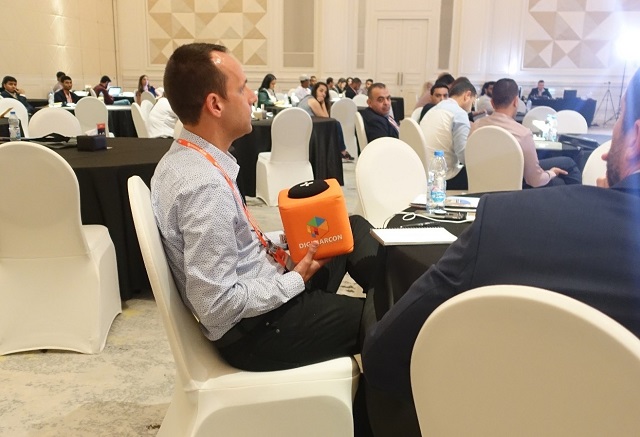
At DigiMarCon Conferences you are never ‘left in the dark’…. literally, in a large room far away from the stage and speakers, crushed in tight theater seating, without even a table, while sitting in the dark. At DigiMarCon all delegates have premium meeting space in luxurious ballroom well-lit spaces, with comfortable seating with table enabling delegates to use their laptop to take notes with ample charging facilities onsite in a comfortable space to learn and thrive. All tables are situated close with direct view of the stage.
Value for Money & Generous Discounts
DigiMarCon Conferences are affordable to attend, from single-day event passes up to two-day VIP options at a fraction of the cost of other industry events. We offer significant discounts for early bird registrations. Additionally, on top of time-limited discount pass rates, because budgets are tight, we want to make sure all groups have a chance to attend DigiMarCon. For government employees, students, academic, startups, non-profit organizations and teams, we offer generous discounts off the prevailing registration price.
Collaborative Learning & Audience Participation
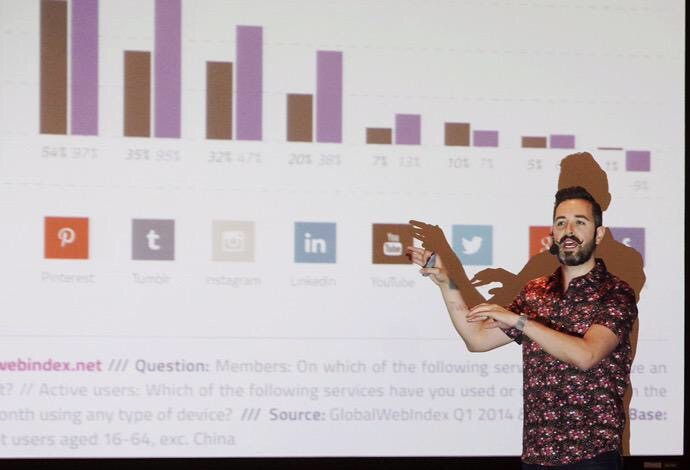
Attend DigiMarCon and you become part of the show! DigiMarCon Conferences tap into the talent of the room, drawing from the knowledge and experience of the professionals in the audience. All DigiMarCon events include regular interactive question and answer sessions with speakers and the audience ideal for collaboration, audience polls, along with ice-breaker and group exercises, steered by charismatic Emcees.
Meet the Speakers in Person
DigiMarCon Conferences put you right up and close with the speakers giving you the opportunity to meet these social media influencers which you follow in person. Speakers are never hidden in private speaker rooms away from the audience, they are in the auditorium sitting right beside you and participating.
Exceptional Customer Service
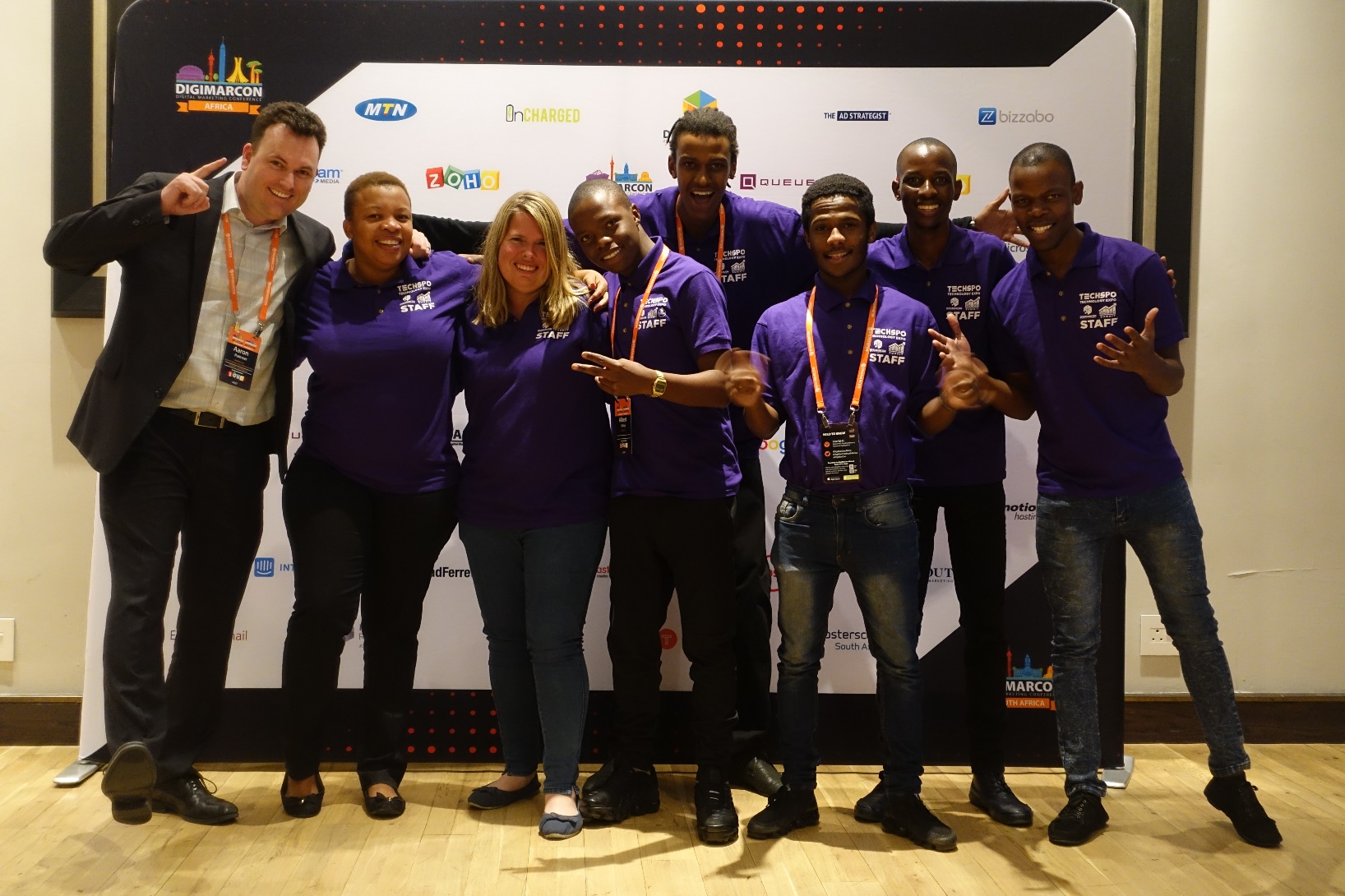
Attending a conference is a well-researched decision. There are many factors to consider such as location, time, venue, cost, speakers, content, etc. At DigiMarCon our results-obsessed Customer Service team are at your service before, during and after the event to help with your needs. It’s at the core of what we do — it drives our business. Offsite, we are ready to assist you via phone, ticket or chat. Onsite at our Conferences, friendly DigiMarCon staff serve as your hosts. They welcome your input and are happy to assist you.
TECHSPO Technology Expo
At all DigiMarCon Conferences is the co-located exclusive event TECHSPO Technology Expo, which showcases the new generation of technology and innovation, including; AdTech, MarTech, Internet, Mobile and SaaS technologies. Be inspired, amazed and educated on how these evolving technologies will impact your business for the better. Unlimited Access to TECHSPO Technology Expo is included with all DigiMarCon passes.
On Demand Library Access
DigiMarCon All Access & VIP Passes include a 12-month on demand access to hundreds of hours of DigiMarCon speaker keynotes, panels and master class presentations from recent DigiMarCon Conferences, including videos, slide decks and key takeaways, available on demand so you can watch what you want, when you want.
The Largest Digital Marketing, Media & Advertising Community
Attendees of DigiMarcon Conferences gain membership to an exclusive global Digital Marketing, Media and Advertising Community of over 500,000 worldwide subscribers to our award-winning digital marketing blog and over 100,000 members to the International Association of Digital Marketing Professionals (visit https://iadmp.org). This global community comprises of innovators, senior marketers and branders, entrepreneurs, digital executives and professionals, web & mobile strategists, designers and web project managers, business leaders, business developers, agency executives and their teams and anyone else who operates in the digital community who leverage digital, mobile, and social media marketing. We provide updates to the latest whitepapers and industry reports to keep you updated on trends, innovation and best practice digital marketing.
Safe, Clean & Hygienic Event Environment
The events industry has forever changed in a world affected by COVID-19. The health and safety of our guests, staff and community is our highest priority and paramount. The team at DigiMarCon is dedicated to ensuring a great experience at our in-person events, and that includes providing a safe, clean and hygienic environment for our delegates.
Some of the key areas we have implemented safe and hygienic measures include;
Limiting Venue Capacities to allow for Social Distancing
Health and Safety Protocols
Safe Food and Beverages and Food-handling
Sanitation Stations with Hand Sanitizer and Wet Wipes Dispensers
Sanitation and Disinfection of Common and High-Traffic Areas
Physical Distancing Measures Between Attendees
Social Distancing Room and Seating Configurations
Non-Contact Thermal Temperature Scanning
Hybrid Events: Attend In-Person or Online
DigiMarCon has always been industry leaders of the Hybrid Event experience for years (a hybrid event combines a "live" in-person event with a "virtual" online component), no one needs to miss out on attending our events. Each DigiMarCon Conference can be attended in-person (with a Main Conference, All Access or VIP Pass) or online (with a Virtual Pass) giving attendees a choice for the experience they want to have. Attending virtually by viewing a Live Stream or On Demand enables participation by people who might be unable to attend physically due to travel or time zone constraints or through a wish to reduce the carbon footprint of the event. If you would like to meet the speakers, network with fellow marketing professionals at refreshment breaks, luncheons and evening receptions, check out the latest Internet, Mobile, AdTech, MarTech and SaaS technologies providers exhibiting then it is highly recommended to attend DigiMarCon in-person. As the largest Digital Marketing, Media and Advertising Conference series with events in 33 international cities worldwide, across 13 countries, there is bound to be a DigiMarCon Event near you to attend in-person if you can.
High-Profile Audience From Leading Brands
DigiMarCon Conference Series is the annual gathering of the most powerful brands and senior agency executives in your region. The Sharpest Minds And The Most Influential Decision Makers - Together for Two Days.
Who Attends Our Conferences
Brands • Agencies • Solution & Service Providers • Media Owners • Publishers • Entrepreneurs • Start-Ups • Investors • Government • Corporates • Institutes of Higher Learning
 Event Starts in:
  Attend In-Person or Online!
 Late Rate Available Now!
 Other DigiMarCon Events











Why the UK is Turning to Phones for Competitive Gaming
Last year, the UK’s mobile esports scene grew by 28 percent, according to the UK Gaming Report. That surge means more players are downloading titles like Call of Duty: Mobile or Clash Royale and joining leagues that pay real money for wins. It’s no longer just a casual pastime; it’s a full‑blown competitive arena that’s changing how we think about gaming.
Accessibility Drives Participation
The biggest draw is that you can play from anywhere. A single £30 phone can give you access to a competitive environment that used to require a high‑end PC and a three‑hour commute. In 2023, over 15 million UK users logged into a mobile esports app at least once a month. That’s more than the number of people who attend a traditional gaming event each year.
Because the hardware cost is low, schools and community centres can set up small tournaments for as few as ten participants. In Manchester, a local community hub hosted a “Battle‑Box” tournament with 12 teams, each paying a £5 entry fee. The prize pool of £500 attracted 200 spectators, many of whom had never watched a professional match before.
One limitation is that the same low entry cost can also mean lower prize payouts. In the example above, the winner received £200, which is modest compared to the £5,000 that a PC‑based tournament might offer. This can discourage top talent from moving up the ladder.
New Revenue Streams for Brands
Brands are noticing that mobile esports reaches a younger demographic. In 2024, a survey found that 67 % of 18‑to‑24‑year‑olds in the UK have watched a mobile esports stream. Advertisers are paying up to £15,000 for a 30‑second spot during a live event. That’s a steep jump from the £2,000 average spent on traditional sports sponsorships.
However, the ad space is still crowded. Many viewers skip ads or use ad‑blockers, which can reduce the return on investment. Brands need to create interactive or gamified ads that feel part of the match rather than an interruption.
Community Building and Social Interaction
Mobile esports tournaments are often hosted on social platforms like Discord or Twitch. A 2023 report noted that 84 % of mobile esports players say community interaction is a primary reason they keep playing. In one popular event, the “UK Clash Royale Cup,” fans streamed the matches live and used a dedicated Discord channel to discuss strategy in real time.
These communities can also serve as support networks for gamers who might otherwise feel isolated. In Bristol, a group of players formed a “mobile gaming club” that meets weekly to practice together. The club has since expanded to include a mentoring program for newcomers.
On the downside, the same online spaces can become echo chambers where negative behaviour—trolling, harassment—spreads unchecked. Moderation requires dedicated staff, which can strain small organisations.
From Screens to Real‑World Impact
Because mobile esports is so widespread, its influence is spilling over into other areas of entertainment. Many people who start with competitive mobile gaming end up exploring other forms of online entertainment, such as streaming and virtual reality. This crossover is especially visible in the UK, where the average viewer spends 45 minutes a day on gaming-related content across multiple platforms.
For instance, a casual player who watches a mobile esports match might later decide to try out a new streaming service or a virtual reality game. This fluidity between platforms encourages a more integrated entertainment experience. If you’re looking for a way to mix gaming with other online activities, you might also enjoy the variety offered by a jokabet casino.
Which Path Should You Take?
If you’re a casual gamer who wants quick, competitive fun, mobile esports offers an easy entry point with minimal equipment. If you’re a brand looking to tap into a youthful audience, the advertising opportunities are growing, but you’ll need to craft engaging, non‑intrusive content. And if you’re a community organizer, the low cost and high engagement make mobile tournaments an excellent way to bring people together.
Ultimately, mobile esports is reshaping UK gaming culture by making competition more accessible, opening new revenue channels, and fostering vibrant online communities. Whether you’re playing for fun, profit, or connection, the mobile format is here to stay.
Frequently Asked Questions
What drives the surge in UK mobile esports?
The low barrier to entry and accessibility of smartphones, coupled with competitive leagues offering real money prizes, attract a broad player base.
How does mobile gaming differ from traditional PC/console esports?
Mobile esports requires less investment in hardware, offers flexible play locations, and often features shorter, more casual match formats.
What are the biggest titles driving UK mobile esports?
Popular titles include Call of Duty: Mobile, Clash Royale, and PUBG Mobile, each supporting ranked leagues and prize pools.
How can developers benefit from the mobile esports boom?
Developers can tap into a growing audience, create in-game tournaments, and monetize through sponsorships and in‑app purchases.
Is Mobile eSports Really Taking Over the UK?
Many people still think that eSports is a niche for big‑screen consoles or PC rigs. The truth is, by 2026, more than 2.8 million UK players are logging in on their phones for competitive titles like Mobile Legends, PUBG Mobile and Call of Duty: Mobile. The shift is driven by instant accessibility and a new generation of streamers who play on the go.
What’s the Real Growth Rate?
Statista recorded a 22 % year‑on‑year increase in mobile eSports viewership in the UK between 2024 and 2025. That means the average match now draws 4,500 concurrent viewers, up from 3,500 the previous year. The spike is not just numbers; it translates into bigger sponsorship deals and more televised events.
How Are UK Teams Structuring Their Roster?
Traditional teams used to rely on a single PC or console player. Today, a UK squad often includes three mobile specialists, one cross‑platform coach, and a data analyst who tracks in‑game telemetry. This structure allows them to adapt to the fast‑paced meta changes that happen every patch cycle.
What Equipment Makes a Difference?
These gear tweaks might seem small, but they reduce reaction times by an average of 12 ms, a margin that can decide a match.
How Do Players Train?
Instead of long practice sessions, UK pros now use micro‑training apps that break drills into 10‑minute bursts. One app, SkillShot Mobile, records every shot and provides instant heat‑map feedback. A typical week includes 4 hours of focused training, 2 hours of strategy review, and 1 hour of physical conditioning to keep reflexes sharp.
From Screens to Snacks: A Quick Detour
When you’re streaming a live mobile tournament, you might notice a sudden surge in orders for quick bites. That’s where mystake uk comes in, offering a menu that’s perfect for a mid‑game refuel.
What’s the Biggest Challenge?
Latency remains the Achilles heel. While 5G rollout has cut ping times to an average of 35 ms in London, rural areas still experience 70 ms or higher. Teams in those regions must rely on dedicated servers or local cloud nodes to stay competitive.
Looking Ahead: 2027 and Beyond
Projections suggest that by 2027, mobile eSports will account for 40 % of all eSports revenue in the UK. This shift will push game developers to design titles with native mobile support from day one, rather than as an afterthought.
Final Thoughts
The rise of mobile eSports in the UK isn’t a passing fad. It’s a concrete change in how players compete, train, and watch. If you’re a gamer, a fan, or just curious, keep an eye on the next mobile tournament— the future is happening right in your pocket.
Frequently Asked Questions
Why is mobile eSports growing faster than PC/console eSports in the UK?
Mobile eSports offers instant accessibility, lower entry costs, and a younger audience that prefers on-the-go play, leading to rapid viewership growth.
Which mobile games are leading the UK eSports scene?
Games like Mobile Legends, PUBG Mobile, and Call of Duty: Mobile dominate UK competitions, attracting millions of players and viewers.
What is the year‑on‑year growth rate for mobile eSports viewership?
Statista reports a 22% year‑on‑year increase in mobile eSports viewership in the UK between 2024 and 2025.
How can I start competing in mobile eSports?
Join local tournaments, build a streaming channel, and follow official competitive ladders to gain exposure and improve your skills.
Mobile Esports Is Re‑shaping the UK Gaming Landscape
When I first saw a 15‑minute match of Call of Duty: Mobile streamed to 120,000 viewers, I realised that the traditional console‑centric view of competitive gaming was about to shift. In the last year, the UK’s mobile esports revenue grew by 32 %, a figure that outstrips the 12 % rise seen in PC tournaments. That jump is not a blip; it’s a signal that smartphones are becoming the new arena for professional competition.
Audience Numbers and Demographics
Statista reports that 48 % of UK gamers now play on a phone or tablet, up from 34 % in 2022. The median age of mobile esports viewers is 23, with a nearly equal split between male and female fans. This younger cohort prefers short, high‑energy matches that fit into lunch breaks or commute times. The result: sponsors are redirecting budgets from traditional streaming platforms to mobile‑centric events.
Prize Pools and Investment
In 2023, the largest mobile tournament, the Mobile Legends World Championship, offered a prize pool of £1.2 million. UK‑based sponsors such as Samsung and Vodafone contributed £300,000 each to the event, a 45 % increase over last year. Meanwhile, local universities are starting to fund mobile esports scholarships, with the University of Leeds awarding £5,000 to its top three players. These figures show that the financial ecosystem around mobile competitions is maturing.
Infrastructure and Accessibility
One of the biggest advantages of mobile esports is the low barrier to entry. A standard smartphone with 4 GB RAM and a 5G connection is enough to compete in most titles. In contrast, a high‑end PC setup can cost upwards of £2,000. This affordability has opened doors for players from lower‑income backgrounds, expanding the talent pool. However, latency remains a challenge; players in rural areas report an average ping of 120 ms, which can be a disadvantage in split‑second games.
Community and Content Creation
Mobile esports thrives on community engagement. Channels on YouTube and TikTok that feature quick tutorials or “best build” guides attract millions of views. For instance, a single tutorial on PUBG Mobile strategies garnered 3.4 million views in the first week. This content ecosystem fuels viewer growth and keeps the competitive scene fresh.
As mobile esports gains traction, it’s natural to wonder how this shift intersects with other forms of online entertainment. Many gamers now turn to platforms that blend gaming with streaming, and one such destination is https://bornfreelance.co.uk which offers a range of services for content creators looking to monetize their streams.
What This Means for Traditional Esports
Traditional PC and console tournaments still dominate in terms of prize money and sponsorship deals. Yet, mobile events are carving out a niche that prioritises speed, accessibility, and social interaction. Teams are now recruiting players based on mobile performance metrics, and coaching staffs are incorporating mobile analytics into training regimens. Consequently, the competitive ladder is becoming more fluid, with cross‑platform players appearing in both mobile and desktop tournaments.
Future Outlook
Industry analysts predict that by 2025, mobile esports will account for 60 % of all esports viewership in the UK. The rise of 5G and the rollout of cloud‑gaming services will further reduce latency issues, making mobile competitions more viable for high‑stakes play. However, regulatory bodies will need to address age verification and data privacy, especially as younger players enter the scene.
Which Path to Follow?
If you’re a player looking to break into competitive gaming, start with a mobile title that aligns with your skill set—games like Mobile Legends or Call of Duty: Mobile offer clear progression paths. For sponsors and investors, consider allocating a portion of your budget to mobile tournaments; the return on engagement is already proving substantial. Finally, for content creators, the mobile format provides a low‑cost entry point to build a following that can later transition to multi‑platform streaming.
What’s driving the surge in mobile esports across the UK?
By 2026, over 3.2 million UK players are logging more than 15 hours a week on mobile titles that now count as professional sports. The shift started when game developers began treating mobile hardware like a full‑featured console, pushing frame rates to 60 fps and adding cross‑platform matchmaking. The result? A new generation of athletes who train on their phones as rigorously as their PC‑based counterparts.
Which games are turning the tables on traditional esports?
Three titles dominate the scene: Call of Duty: Mobile, Mobile Legends: Bang Bang, and League of Legends: Wild Rift. Each has a global tournament circuit that rewards winners with £10,000 in prize money and a spot in the World Championship. In 2025, the UK’s Wild Rift League saw a 45 % increase in registered teams, driven by the new “UK Pro League” that offers weekly cash prizes and a guaranteed seat at the finals in Singapore.
These games are not just casual; they feature professional coaching, analytics dashboards, and real‑time strategy feeds that rival those of PC esports.
How are UK teams monetising their skill?
Unlike the early days of mobile gaming, where sponsorships were rare, 2026 sees a structured ecosystem. Teams now secure deals with brands that want to reach a tech‑savvy, 18‑35 demographic. A typical contract includes a base salary of £2,500 per month, a performance bonus of £1,000 per tournament win, and a revenue share of 15 % from in‑team streaming ads.
Players also use platforms that allow them to bet on their own matches. These in‑game betting pools offer odds ranging from 1.5× to 3.2×, and the average UK bettor spends about £30 per month on mobile esports wagers. While this adds excitement, it also means that players must keep a strict bankroll management routine to avoid losing more than 5 % of their earnings in a single week.
For those looking to combine skill with a bit of luck, mystake offers a platform where you can try your hand at casino-style betting while staying within a safe budget.
What are the biggest challenges for aspiring mobile esports athletes?
Skill alone does not guarantee success. The most common hurdle is hardware. A mid‑range smartphone with a 120 Hz display and at least 8 GB of RAM is the minimum requirement to compete at the pro level. Those with older devices find themselves lagging behind, often losing matches by milliseconds.
Another issue is the lack of formal training programmes. While some universities offer sports science courses that touch on esports, there are still few accredited coaching certifications. Consequently, many players rely on community‑run workshops that last 2–3 hours each week, which can be hard to fit around full‑time jobs.
Finally, the mental toll is real. The pressure to perform in front of thousands of live viewers can lead to burnout. A recent survey of 500 UK mobile esports players found that 38 % reported symptoms of anxiety after a single high‑stakes tournament.
How does this trend intersect with the broader online entertainment landscape?
Mobile esports is now part of a larger ecosystem of online gaming and entertainment. Players who spend time in competitive matches often explore other digital leisure activities, such as streaming, content creation, and casual gaming. This cross‑pollination fuels a virtuous cycle: success on the field boosts a player’s social media following, which in turn attracts sponsorships and advertising revenue. The synergy between competitive play and broader online engagement is reshaping how we think about digital entertainment in the UK.
What should newcomers keep in mind before diving in?
Start with a solid device: a recent model from Samsung or Apple with a high refresh rate. Join a local league to gain experience, and track your performance with the built‑in analytics tools. Most importantly, set a budget for both training and betting, and stick to it. If you can manage your resources wisely, the mobile esports scene offers a thrilling, potentially lucrative path for those willing to commit.
Is the future of mobile esports in the UK bright?
Yes, but with caveats. The industry is projected to grow by 12 % annually until 2030, driven by increasing investment from traditional sports brands and the expansion of global tournament circuits. However, the rapid pace of technological change means that players must continually upgrade their gear and skills. Those who stay ahead will reap the rewards, while others risk being left behind.
Frequently Asked Questions
What makes mobile esports different from PC esports?
Mobile esports relies on smartphones, offering wider accessibility and real‑time gameplay, whereas PC esports uses high‑end hardware and longer sessions.
Which mobile titles dominate the UK esports scene?
Titles like PUBG Mobile, Call of Duty: Mobile, and Clash Royale have led the charge, combining competitive modes with robust matchmaking.
How are athletes training for mobile esports?
Pros train on phones using drills, strategy sessions, and performance analytics, mirroring the discipline of traditional esports.
Why should sponsors invest in mobile esports?
The rapidly expanding player base and high engagement rates give sponsors a cost‑effective channel to reach a large, tech‑savvy audience.