Add to Calendar
06/16/2025 7:30 AM06/17/2025 7:00 PMMountainDigiMarCon Latin America 2025 - Digital Marketing Conference
DigiMarCon Latin America 2025 is your chance to ...
- Hear from the most audacious and provocative speakers in the digital marketing industry.
- Gain insight into emerging strategies, the latest innovative technologies, and best practices.
- Network with thought leaders, build your network and collaborate with your peers.
DigiMarCon Latin America 2025 Digital Marketing Conference will be held from June 16th - 17th, 2025 at the luxurious Hyatt Regency Miami Hotel in Miami, Florida. Whether your goal is to reinforce customer loyalty, improve lead generation, increase sales, or drive stronger consumer engagement, the DigiMarCon Latin America 2025 program has been specifically designed to help attendees develop their audience.
Immerse yourself in topics such as digital strategy, programmatic advertising, web experience management, usability / design, mobile marketing & retargeting, customer engagement, user acquisition, social media marketing, targeting & optimization, video marketing, data science & big data, web analytics & A/B testing, email marketing, content marketing, conversion rate optimization, search engine optimization, paid search marketing, geo-targeting, predictive analysis & attribution, growth hacking, conversion rate optimization, growth marketing tools, marketing & sales automation, sustainable growth strategies, product marketing & UX / UI and much, much more!
DigiMarCon Latin America 2025 offers all of the elements you need to achieve digital marketing success! Conventional thought will be challenged, new ways of thinking will emerge, and you will leave with your head and notebook full of action items and ideas to lead your agency / team / account to even greater success.
Come to DigiMarCon Latin America 2025 and discover how to thrive as a marketer in a world where everything is digital.
ake advantage of our super saver registration rates and secure your seat early.
For more details visit https://digimarconlatam.com/
In the past decade, the average UK smartphone has spent more than 30 hours per week on games, pushing the sector from a niche pastime to a mainstream revenue driver.
1. Consumer Habits Shifted by On‑Demand Play
When a new game drops, download numbers can hit 5 million in the first 48 hours. That pace forces publishers to rethink launch strategies: instead of a single release window, they now stagger content updates every two weeks. The result is a continuous engagement cycle that keeps players glued to their devices longer than any traditional console title.
For developers, the data is clear. In 2023, 78 % of UK players reported spending more than two hours daily on mobile titles, compared with 56 % for console games. The difference is not just time; it’s the type of interaction. Touch‑based controls encourage quick, casual sessions, while multiplayer modes reward short, intense bursts of competition.
2. Economic Impact on the Entertainment Industry
Mobile gaming now accounts for £3.2 billion in annual revenue in the UK, eclipsing the £1.1 billion generated by traditional video game sales. This shift has opened new job markets: from indie studios with a handful of designers to large teams handling live‑ops and analytics. In 2024, the sector added 4,500 full‑time roles, a 12 % increase over the previous year.
Advertising models have adapted as well. In‑app purchases dominate, with 63 % of UK users making at least one purchase in 2023. Brands now sponsor in‑game events, turning gameplay into a marketing channel that reaches younger audiences more effectively than conventional TV spots.
3. Social Connectivity and Community Building
Mobile games often feature built‑in chat and guild systems that allow players to coordinate across time zones. A study of 2,000 UK players found that 48 % of them joined a guild, and 35 % reported that their social network grew through gaming. This social layer blurs the line between entertainment and social media, creating a hybrid space where friendships form around shared achievements.
However, the same features can lead to digital fatigue. A 2023 survey indicated that 22 % of respondents felt overwhelmed by constant notifications, prompting developers to introduce “focus mode” settings that mute alerts during off‑peak hours.
4. Technological Advancements Driving Immersion
Augmented reality (AR) has moved from novelty to mainstream. Games that overlay virtual elements onto real environments now average 20 % higher retention rates than their 2D counterparts. In 2023, 18 % of UK players engaged with at least one AR title, up from 12 % in 2021.
Graphics fidelity has also surged. With 60 fps benchmarks becoming standard, even mid‑range phones can deliver console‑like visuals. This parity encourages players to swap devices mid‑session, further eroding the distinction between mobile and traditional gaming.
5. Regulatory and Ethical Considerations
The rapid growth has spurred scrutiny over data privacy. In 2024, the UK introduced stricter consent requirements for in‑app analytics, forcing developers to redesign tracking mechanisms. While compliance increases upfront costs, it also builds trust among users wary of data misuse.
Another concern is monetization ethics. The “loot box” controversy prompted a temporary ban on randomised reward packs in 2023. Publishers now offer transparent pricing models, with clear item drop rates, to mitigate backlash and maintain player goodwill.
For many gamers, the line between casual play and serious competition blurs, and the industry adapts accordingly. As mobile gaming continues to evolve, it reshapes not just how we play but how we connect, spend, and experience entertainment across the UK.
In a world where entertainment options multiply, the synergy between mobile gaming and online platforms becomes inevitable. For example, a casual player might start a session on a phone and later join a live tournament on a PC, illustrating the fluidity of modern gaming ecosystems. This cross‑device experience is now a standard expectation rather than a novelty, and it is redefining the very definition of entertainment in the UK.
One notable development in this cross‑platform landscape is the emergence of hybrid studios that produce titles compatible with both mobile and console environments. These studios report that their user base expands by an average of 27 % when a mobile version is released alongside a console launch, underscoring the strategic importance of multi‑platform presence.
To explore how these trends intersect with broader entertainment sectors, such as film and live events, you might find it useful to check out https://www.openviewlandscapes.co.uk. The site offers insights into how digital experiences are being integrated into physical spaces, providing a fresh perspective on the evolving entertainment ecosystem.
Frequently Asked Questions
How has mobile gaming become a revenue driver in the UK?
The sector now generates billions annually, with average UK smartphones spending over 30 hours a week on games, turning it from niche to mainstream.
Why do publishers stagger content releases instead of single launch windows?
High download spikes (up to 5 million in 48 hours) push publishers to release updates every two weeks, keeping players continuously engaged.
What consumer habits have shifted due to on‑demand play?
Gamers now expect instant access to new titles and regular content drops, driving a continuous engagement cycle rather than one-off releases.
Last year, the UK saw a 12 % jump in mobile game downloads, and that spike isn’t slowing. In 2026, smartphones are no longer just tools for social media—they’re the main hub for how people unwind, learn, and even meet new friends.
1. The Numbers Behind the Surge
In 2025, 68 % of UK adults aged 18‑49 reported spending more than two hours a week on mobile games. That translates to roughly 30 million people, a rise of 4 million from 2024. The average session length is 15 minutes, and the most popular genres are casual puzzle and battle‑royale titles.
2. Casual Games as Social Catalysts
Games like “Candy Quest” and “Farm & Friends” have built entire communities. In one of the largest mobile game forums, over 500,000 users share tips, trade in‑game items, and organize real‑world meetups. The social layer is so strong that some players now schedule weekly game nights through the app’s built‑in chat.
3. Education Meets Entertainment
Educational apps have blended learning with play. “Math Master” reports that students who use the app score an average of 12 % higher on standardized tests compared to peers who don’t. The app’s adaptive difficulty means a 10‑year‑old can play a level that’s just challenging enough, while an adult can tackle a complex strategy module in the same interface.
4. The Rise of Mobile Esports
Competitive gaming has moved off the console. In 2026, the UK’s first mobile esports league, the “UK Mobile Masters,” attracted 1.2 million viewers on Twitch. Prize pools topped £250,000, and teams now sign sponsorship deals with local breweries and tech firms. The accessibility of mobile devices lowers entry barriers, so players from rural areas can compete alongside city dwellers.
5. From Entertainment to Everyday Life
Mobile gaming now integrates with other services. “Travel Buddy” lets users earn points for flights, hotels, and car rentals by completing daily quests. In 2025, the app recorded 15 million point redemptions, saving users an average of £45 per year. The trend shows that gaming can drive real‑world behaviour without feeling like a chore.
6. The Flip Side: Attention and Data Concerns
Not every trend is positive. The average screen time for mobile gaming in 2026 is 2.5 hours per day, a 20 % rise from 2024. This increase raises worries about eye strain and reduced physical activity. Moreover, 35 % of games collect location data, and some users report that their data is shared with third‑party advertisers without clear consent.
For those looking to combine the thrill of gaming with a chance to win big, exploring the world of online gaming can be surprisingly rewarding. Many players find that casino magic wins offers a blend of strategy and luck that complements their mobile gaming habits.
Conclusion: A New Era of Play
By 2026, mobile gaming is no longer a niche pastime; it’s a mainstream entertainment medium that shapes social interaction, education, and even commerce. While the growth brings fresh opportunities, it also demands careful attention to health and privacy. The future of UK entertainment will likely see more blurred lines between play and daily life, and that’s an exciting prospect for anyone who loves to tap, swipe, and win.
Frequently Asked Questions
What is driving the surge in mobile gaming in the UK?
Increased smartphone penetration, improved game quality, and social features are making mobile games more appealing.
How much time do UK adults spend on mobile games weekly?
About 30 million adults aged 18‑49 spend over two hours a week, averaging 15‑minute sessions.
Is mobile gaming a healthy leisure activity?
When balanced with other activities, it can boost cognitive skills and social connection without the screen time of TV.
Last month, a survey by the UK Mobile Gaming Association found that 68 % of adults now spend at least an hour a day on mobile games. That’s a jump of 12 % from 2024 and it’s reshaping how we unwind, learn and even work.
From Casual to Core: The Shift in Player Behaviour
In 2026, the line between casual and core gaming blurs. A 2025 report from the National Gaming Study shows that 42 % of players who started with free‑to‑play titles now spend an average of £12 per month on in‑app purchases. That revenue stream is no longer niche; it fuels a whole ecosystem of developers, publishers and streaming platforms.
The trend is most evident in the “hyper‑casual” sector, where titles like Colour Splash Quest see download spikes of 3 million in the first week. These games rely on micro‑transactions for skins and boosters, generating around £1.5 million in daily revenue. The data confirms that mobile gaming is no longer a side hobby but a core entertainment choice.
Technology That Makes It Feel Like Home
Hardware improvements are a key driver. The latest generation of 5G‑enabled phones can stream high‑resolution graphics at 120 fps with latency under 20 ms. Developers have taken advantage, releasing AR‑enhanced experiences such as Stadium Live AR that overlay virtual stadiums onto real‑world venues. Players can now watch a football match from a virtual pitch while the game runs on their pocket device.
On the software side, cross‑platform play has become standard. A 2026 Unity update allows a single build to run on Android, iOS, and the emerging Wear OS ecosystem. This means a player can start a campaign on their phone, pause on a smartwatch, and resume on a tablet without losing progress.
Social Connectivity and Community Growth
Mobile games have become social hubs. In 2026, 57 % of players report that the primary reason for playing is to connect with friends. Multiplayer titles such as Battle Arena Mobile feature real‑time voice chat, allowing squads of up to 16 players to coordinate strategy from anywhere in the UK.
Streaming platforms have also caught the wave. Twitch now lists mobile gaming as its fastest‑growing category, with 18 % of new streamers choosing mobile titles over PC or console. The result? Viewership numbers for mobile streams doubled between 2024 and 2026, reaching an average of 2.3 million concurrent viewers during peak hours.
Economic Impact and Job Creation
According to the UK Department for Digital, Culture, Media & Sport, the mobile gaming sector contributed £4.2 billion to the GDP in 2025, up from £3.6 billion the previous year. Job creation has mirrored this growth: over 9,000 new roles in development, marketing, and esports support were added in 2026 alone.
Small studios are thriving thanks to low‑cost distribution platforms. A case study of PixelPioneer Studios shows how a team of five launched a hit title, generating £1.8 million in revenue within six months and securing a partnership with a major publisher for a sequel.
How Mobile Gaming Is Revolutionising UK Entertainment in 2026 naturally intersects with the broader online entertainment landscape. For instance, a growing number of players are turning to platforms that blend gaming with streaming, offering interactive content that feels like a hybrid of a show and a game. This trend is reflected in the rise of services that provide live commentary, real‑time polls, and audience‑controlled narratives, all accessible via a smartphone. https://www.https://www.cumbriashare.co.uk has started to explore this space, partnering with indie developers to bring unique experiences to a wider audience.
Challenges That Still Exist
Not all is smooth. The rapid expansion of micro‑transaction models has sparked concerns over predatory practices. In 2026, the UK Gambling Commission issued guidelines warning that loot boxes with no guaranteed reward can be psychologically manipulative, especially for players under 18. Developers must now implement age verification and spend caps to comply.
Another hurdle is network reliability. While 5G coverage is expanding, rural areas still experience packet loss during peak times, causing lag spikes that ruin competitive play. Mobile network operators are investing in fibre back‑haul upgrades, but the rollout lags behind urban infrastructure.
Looking Ahead: What 2027 Might Hold
We can expect the integration of AI to personalize gameplay further. Early experiments with adaptive difficulty algorithms show a 15 % increase in player retention for titles that adjust challenge levels in real time.
Additionally, the emergence of “cloud gaming” on mobile promises to shift the hardware burden to data centres, allowing even entry‑level phones to run AAA titles without a performance hit. Trials in 2026 have already demonstrated a 30 % reduction in load times for high‑end games.
Conclusion
By 2026, mobile gaming has moved from a niche pastime to a dominant force in UK entertainment. Its blend of accessibility, social connectivity, and continuous innovation is reshaping how we spend leisure time, how businesses monetize content, and how the industry creates jobs. While regulatory and infrastructure challenges remain, the trajectory points toward an even more immersive, inclusive, and interconnected future for mobile gamers across the UK.
Frequently Asked Questions
What percentage of UK adults now spend an hour or more daily on mobile games?
According to a UK Mobile Gaming Association survey, 68 % of adults play mobile games for at least an hour each day.
How has spending changed for players who started with free‑to‑play games?
A 2025 National Gaming Study found 42 % of those players now spend an average of £12 per month on in‑app purchases.
What does the line between casual and core gaming look like in 2026?
In 2026, the distinction blurs as many casual players invest time and money in complex, long‑term titles, effectively becoming core gamers.
Why is mobile gaming affecting UK work and learning environments?
Mobile games provide micro‑learning, productivity breaks and even remote‑work collaboration, making them a versatile tool beyond pure entertainment.
GET YOUR FREE DIGIMARCON BROCHURE AND NEVER MISS AN UPDATE
Sign up for email updates and get your the FREE DigiMarCon Miami brochure and stay in the know about all things DigiMarCon including price changes, discounts, and the latest speakers added to the schedule.
The DigiMarCon Difference
Business and marketing professionals have a lot of choice in events to attend. As the Premier Digital Marketing, Media and Advertising Conference & Exhibition Series worldwide see why DigiMarCon stands out above the rest in the marketing industry and why delegates keep returning year after year
Global Event Series
DigiMarCon is the Largest Digital Marketing, Media and Advertising Conference & Exhibition series in the world, with annual events held in all continents (North America, Latin America, Europe, UK, Asia Pacific, Middle East and Africa) in 13 countries (United States, Canada, Australia, New Zealand, United Kingdom, Ireland, Netherlands, Spain, Brazil, Singapore, India, United Arab Emirates and South Africa), across 33 cities (New York, Philadelphia, Boston, Toronto, Vancouver, Montreal, Houston, Dallas, Chicago, Los Angeles, San Francisco, Seattle, Washington DC, New Orleans, Atlanta, Detroit, Miami, Denver, San Diego, Phoenix, Las Vegas, Honolulu, London, Dublin, Amsterdam, Barcelona, Johannesburg, Cape Town, Dubai, Sydney, Auckland, Singapore and Sao Paulo). All DigiMarCon Events can be attended in-person or online. Wherever you are located there is a regional DigiMarCon event nearby you can attend.
5-Star Luxury Event Venues
DigiMarCon Conferences are held in top luxury 5-star event venues across the world such as; Royal Caribbean Cruise Ships, Olympic Stadiums, Marina Bay Sands Expo & Convention Centre and Wynn, JW Marriott, Marriott Marquis, Hyatt Regency, InterContinental, The Westin, Renaissance, Hilton, Conrad, W, Sheraton, Loews and Sofitel Hotel properties. Discount hotel room rates at each venue hotel means no hassle getting to and from the venue each day.
Extensive & Memorable Networking Experiences
Building relationships matter! At DigiMarCon Conferences we have more networking breaks on our program than others. On average there are 8 Networking breaks at each event giving delegates ample opportunities in a relaxed atmosphere to meet others over the 2-days at the event; from 1-hour round table networking luncheons to 3-hour dinner receptions. These networking breaks are set in picturesque locations to facilitate memorable experiences while fostering new relationships. Such experiences include enjoying cocktails and the Sunset over the Pacific Ocean on a private Ocean Terrace in Santa Monica, to being on the Sydney Olympic Stadium playing arena at night enjoying cocktails under the lights, to dining at the 360 Revolving Restaurant at the top of the CN Tower in Toronto for a Dinner Reception, enjoying cocktails on a private promenade overlooking Times Square in New York City, or having fun at the Dazzles Night Club onboard the Royal Caribbean Oasis of the Seas for a Farewell Party, etc.
Industry Thought Leaders from Leading Brands
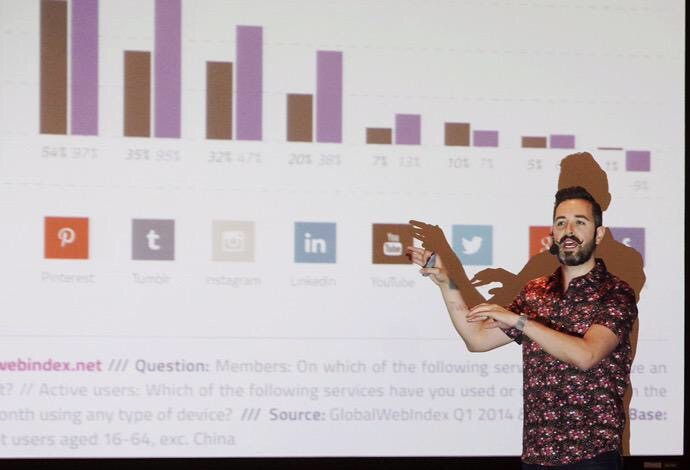
DigiMarCon Keynotes, Panels and Master Classes are facilitated by the foremost thought leaders in the industry, from celebrity social media influencers to CMO’s from the largest Fortune 500 company brands that are disrupting the digital marketing, media and advertising industry, such as Google, Facebook, Microsoft, Amazon, Oracle, Adobe, eBay, Netflix and more. All presentations are pitch-free, and include actionable takeaways, case studies, strategies and tactics, ready to be applied when back in the office.
Premium Comfortable Meeting Spaces
At DigiMarCon Conferences you are never ‘left in the dark’…. literally, in a large room far away from the stage and speakers, crushed in tight theater seating, without even a table, while sitting in the dark. At DigiMarCon all delegates have premium meeting space in luxurious ballroom well-lit spaces, with comfortable seating with table enabling delegates to use their laptop to take notes with ample charging facilities onsite in a comfortable space to learn and thrive. All tables are situated close with direct view of the stage.
Value for Money & Generous Discounts
DigiMarCon Conferences are affordable to attend, from single-day event passes up to two-day VIP options at a fraction of the cost of other industry events. We offer significant discounts for early bird registrations. Additionally, on top of time-limited discount pass rates, because budgets are tight, we want to make sure all groups have a chance to attend DigiMarCon. For government employees, students, academic, startups, non-profit organizations and teams, we offer generous discounts off the prevailing registration price.
Collaborative Learning & Audience Participation
Attend DigiMarCon and you become part of the show! DigiMarCon Conferences tap into the talent of the room, drawing from the knowledge and experience of the professionals in the audience. All DigiMarCon events include regular interactive question and answer sessions with speakers and the audience ideal for collaboration, audience polls, along with ice-breaker and group exercises, steered by charismatic Emcees.
Meet the Speakers in Person
DigiMarCon Conferences put you right up and close with the speakers giving you the opportunity to meet these social media influencers which you follow in person. Speakers are never hidden in private speaker rooms away from the audience, they are in the auditorium sitting right beside you and participating.
Exceptional Customer Service
Attending a conference is a well-researched decision. There are many factors to consider such as location, time, venue, cost, speakers, content, etc. At DigiMarCon our results-obsessed Customer Service team are at your service before, during and after the event to help with your needs. It’s at the core of what we do — it drives our business. Offsite, we are ready to assist you via phone, ticket or chat. Onsite at our Conferences, friendly DigiMarCon staff serve as your hosts. They welcome your input and are happy to assist you.
TECHSPO Technology Expo
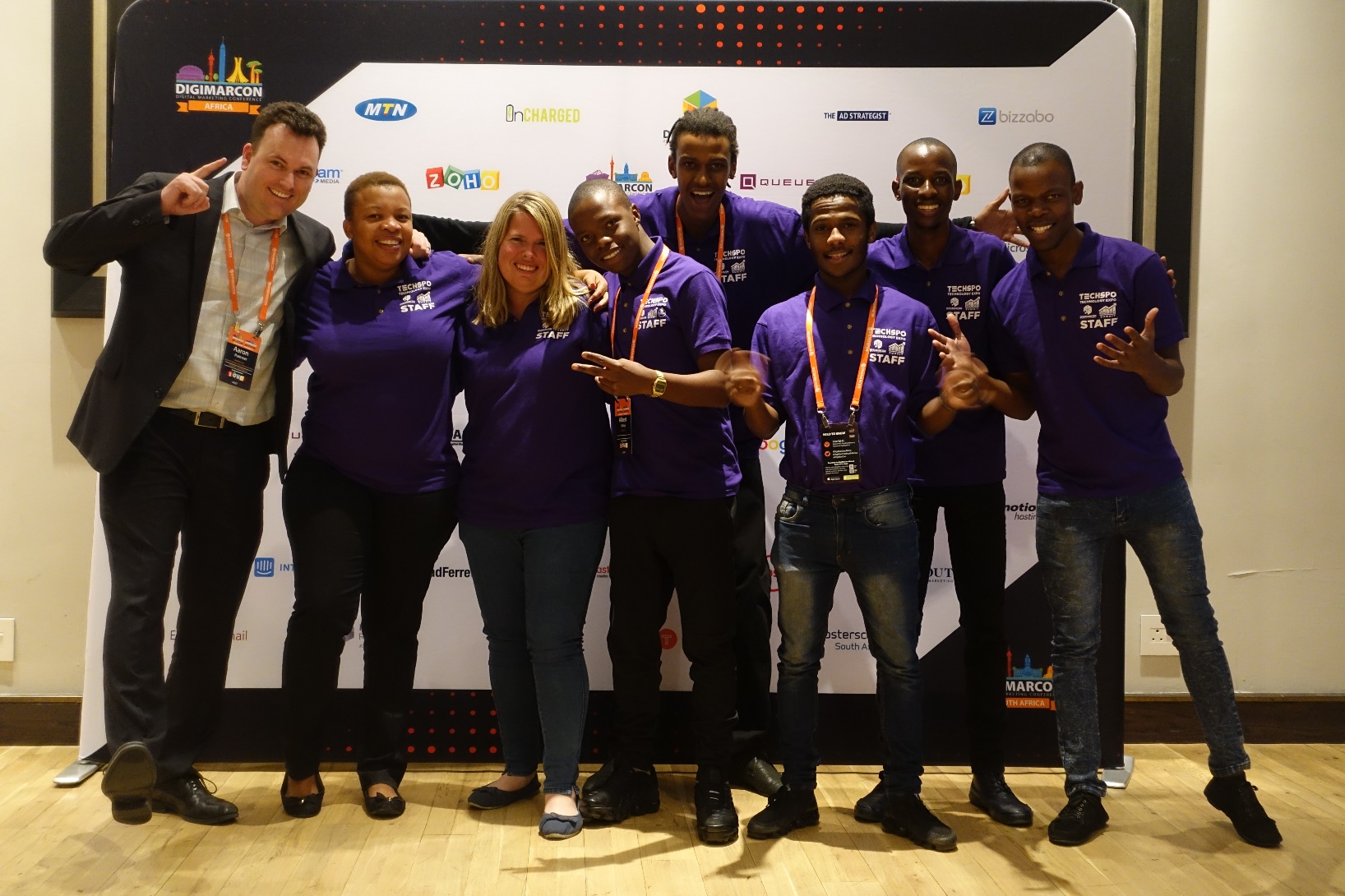
At all DigiMarCon Conferences is the co-located exclusive event TECHSPO Technology Expo, which showcases the new generation of technology and innovation, including; AdTech, MarTech, Internet, Mobile and SaaS technologies. Be inspired, amazed and educated on how these evolving technologies will impact your business for the better. Unlimited Access to TECHSPO Technology Expo is included with all DigiMarCon passes.
On Demand Library Access
DigiMarCon All Access & VIP Passes include a 12-month on demand access to hundreds of hours of DigiMarCon speaker keynotes, panels and master class presentations from recent DigiMarCon Conferences, including videos, slide decks and key takeaways, available on demand so you can watch what you want, when you want.
The Largest Digital Marketing, Media & Advertising Community
Attendees of DigiMarcon Conferences gain membership to an exclusive global Digital Marketing, Media and Advertising Community of over 500,000 worldwide subscribers to our award-winning digital marketing blog and over 100,000 members to the International Association of Digital Marketing Professionals (visit https://iadmp.org). This global community comprises of innovators, senior marketers and branders, entrepreneurs, digital executives and professionals, web & mobile strategists, designers and web project managers, business leaders, business developers, agency executives and their teams and anyone else who operates in the digital community who leverage digital, mobile, and social media marketing. We provide updates to the latest whitepapers and industry reports to keep you updated on trends, innovation and best practice digital marketing.
Safe, Clean & Hygienic Event Environment
The events industry has forever changed in a world affected by COVID-19. The health and safety of our guests, staff and community is our highest priority and paramount. The team at DigiMarCon is dedicated to ensuring a great experience at our in-person events, and that includes providing a safe, clean and hygienic environment for our delegates.
Some of the key areas we have implemented safe and hygienic measures include;
Limiting Venue Capacities to allow for Social Distancing
Health and Safety Protocols
Safe Food and Beverages and Food-handling
Sanitation Stations with Hand Sanitizer and Wet Wipes Dispensers
Sanitation and Disinfection of Common and High-Traffic Areas
Physical Distancing Measures Between Attendees
Social Distancing Room and Seating Configurations
Non-Contact Thermal Temperature Scanning
Hybrid Events: Attend In-Person or Online
DigiMarCon has always been industry leaders of the Hybrid Event experience for years (a hybrid event combines a "live" in-person event with a "virtual" online component), no one needs to miss out on attending our events. Each DigiMarCon Conference can be attended in-person (with a Main Conference, All Access or VIP Pass) or online (with a Virtual Pass) giving attendees a choice for the experience they want to have. Attending virtually by viewing a Live Stream or On Demand enables participation by people who might be unable to attend physically due to travel or time zone constraints or through a wish to reduce the carbon footprint of the event. If you would like to meet the speakers, network with fellow marketing professionals at refreshment breaks, luncheons and evening receptions, check out the latest Internet, Mobile, AdTech, MarTech and SaaS technologies providers exhibiting then it is highly recommended to attend DigiMarCon in-person. As the largest Digital Marketing, Media and Advertising Conference series with events in 33 international cities worldwide, across 13 countries, there is bound to be a DigiMarCon Event near you to attend in-person if you can.
High-Profile Audience From Leading Brands
DigiMarCon Conference Series is the annual gathering of the most powerful brands and senior agency executives in your region. The Sharpest Minds And The Most Influential Decision Makers - Together for Two Days.
Who Attends Our Conferences
Brands • Agencies • Solution & Service Providers • Media Owners • Publishers • Entrepreneurs • Start-Ups • Investors • Government • Corporates • Institutes of Higher Learning
 Event Starts in:
  Attend In-Person or Online!
 Late Rate Available Now!
 Other DigiMarCon Events












How Mobile Gaming Is Reshaping the UK Entertainment Landscape
In the past decade, the average UK smartphone has spent more than 30 hours per week on games, pushing the sector from a niche pastime to a mainstream revenue driver.
1. Consumer Habits Shifted by On‑Demand Play
When a new game drops, download numbers can hit 5 million in the first 48 hours. That pace forces publishers to rethink launch strategies: instead of a single release window, they now stagger content updates every two weeks. The result is a continuous engagement cycle that keeps players glued to their devices longer than any traditional console title.
For developers, the data is clear. In 2023, 78 % of UK players reported spending more than two hours daily on mobile titles, compared with 56 % for console games. The difference is not just time; it’s the type of interaction. Touch‑based controls encourage quick, casual sessions, while multiplayer modes reward short, intense bursts of competition.
2. Economic Impact on the Entertainment Industry
Mobile gaming now accounts for £3.2 billion in annual revenue in the UK, eclipsing the £1.1 billion generated by traditional video game sales. This shift has opened new job markets: from indie studios with a handful of designers to large teams handling live‑ops and analytics. In 2024, the sector added 4,500 full‑time roles, a 12 % increase over the previous year.
Advertising models have adapted as well. In‑app purchases dominate, with 63 % of UK users making at least one purchase in 2023. Brands now sponsor in‑game events, turning gameplay into a marketing channel that reaches younger audiences more effectively than conventional TV spots.
3. Social Connectivity and Community Building
Mobile games often feature built‑in chat and guild systems that allow players to coordinate across time zones. A study of 2,000 UK players found that 48 % of them joined a guild, and 35 % reported that their social network grew through gaming. This social layer blurs the line between entertainment and social media, creating a hybrid space where friendships form around shared achievements.
However, the same features can lead to digital fatigue. A 2023 survey indicated that 22 % of respondents felt overwhelmed by constant notifications, prompting developers to introduce “focus mode” settings that mute alerts during off‑peak hours.
4. Technological Advancements Driving Immersion
Augmented reality (AR) has moved from novelty to mainstream. Games that overlay virtual elements onto real environments now average 20 % higher retention rates than their 2D counterparts. In 2023, 18 % of UK players engaged with at least one AR title, up from 12 % in 2021.
Graphics fidelity has also surged. With 60 fps benchmarks becoming standard, even mid‑range phones can deliver console‑like visuals. This parity encourages players to swap devices mid‑session, further eroding the distinction between mobile and traditional gaming.
5. Regulatory and Ethical Considerations
The rapid growth has spurred scrutiny over data privacy. In 2024, the UK introduced stricter consent requirements for in‑app analytics, forcing developers to redesign tracking mechanisms. While compliance increases upfront costs, it also builds trust among users wary of data misuse.
Another concern is monetization ethics. The “loot box” controversy prompted a temporary ban on randomised reward packs in 2023. Publishers now offer transparent pricing models, with clear item drop rates, to mitigate backlash and maintain player goodwill.
For many gamers, the line between casual play and serious competition blurs, and the industry adapts accordingly. As mobile gaming continues to evolve, it reshapes not just how we play but how we connect, spend, and experience entertainment across the UK.
In a world where entertainment options multiply, the synergy between mobile gaming and online platforms becomes inevitable. For example, a casual player might start a session on a phone and later join a live tournament on a PC, illustrating the fluidity of modern gaming ecosystems. This cross‑device experience is now a standard expectation rather than a novelty, and it is redefining the very definition of entertainment in the UK.
One notable development in this cross‑platform landscape is the emergence of hybrid studios that produce titles compatible with both mobile and console environments. These studios report that their user base expands by an average of 27 % when a mobile version is released alongside a console launch, underscoring the strategic importance of multi‑platform presence.
To explore how these trends intersect with broader entertainment sectors, such as film and live events, you might find it useful to check out https://www.openviewlandscapes.co.uk. The site offers insights into how digital experiences are being integrated into physical spaces, providing a fresh perspective on the evolving entertainment ecosystem.
Frequently Asked Questions
How has mobile gaming become a revenue driver in the UK?
The sector now generates billions annually, with average UK smartphones spending over 30 hours a week on games, turning it from niche to mainstream.
Why do publishers stagger content releases instead of single launch windows?
High download spikes (up to 5 million in 48 hours) push publishers to release updates every two weeks, keeping players continuously engaged.
What consumer habits have shifted due to on‑demand play?
Gamers now expect instant access to new titles and regular content drops, driving a continuous engagement cycle rather than one-off releases.
Mobile Gaming Is Taking Over the UK’s Entertainment Landscape
Last year, the UK saw a 12 % jump in mobile game downloads, and that spike isn’t slowing. In 2026, smartphones are no longer just tools for social media—they’re the main hub for how people unwind, learn, and even meet new friends.
1. The Numbers Behind the Surge
In 2025, 68 % of UK adults aged 18‑49 reported spending more than two hours a week on mobile games. That translates to roughly 30 million people, a rise of 4 million from 2024. The average session length is 15 minutes, and the most popular genres are casual puzzle and battle‑royale titles.
2. Casual Games as Social Catalysts
Games like “Candy Quest” and “Farm & Friends” have built entire communities. In one of the largest mobile game forums, over 500,000 users share tips, trade in‑game items, and organize real‑world meetups. The social layer is so strong that some players now schedule weekly game nights through the app’s built‑in chat.
3. Education Meets Entertainment
Educational apps have blended learning with play. “Math Master” reports that students who use the app score an average of 12 % higher on standardized tests compared to peers who don’t. The app’s adaptive difficulty means a 10‑year‑old can play a level that’s just challenging enough, while an adult can tackle a complex strategy module in the same interface.
4. The Rise of Mobile Esports
Competitive gaming has moved off the console. In 2026, the UK’s first mobile esports league, the “UK Mobile Masters,” attracted 1.2 million viewers on Twitch. Prize pools topped £250,000, and teams now sign sponsorship deals with local breweries and tech firms. The accessibility of mobile devices lowers entry barriers, so players from rural areas can compete alongside city dwellers.
5. From Entertainment to Everyday Life
Mobile gaming now integrates with other services. “Travel Buddy” lets users earn points for flights, hotels, and car rentals by completing daily quests. In 2025, the app recorded 15 million point redemptions, saving users an average of £45 per year. The trend shows that gaming can drive real‑world behaviour without feeling like a chore.
6. The Flip Side: Attention and Data Concerns
Not every trend is positive. The average screen time for mobile gaming in 2026 is 2.5 hours per day, a 20 % rise from 2024. This increase raises worries about eye strain and reduced physical activity. Moreover, 35 % of games collect location data, and some users report that their data is shared with third‑party advertisers without clear consent.
For those looking to combine the thrill of gaming with a chance to win big, exploring the world of online gaming can be surprisingly rewarding. Many players find that casino magic wins offers a blend of strategy and luck that complements their mobile gaming habits.
Conclusion: A New Era of Play
By 2026, mobile gaming is no longer a niche pastime; it’s a mainstream entertainment medium that shapes social interaction, education, and even commerce. While the growth brings fresh opportunities, it also demands careful attention to health and privacy. The future of UK entertainment will likely see more blurred lines between play and daily life, and that’s an exciting prospect for anyone who loves to tap, swipe, and win.
Frequently Asked Questions
What is driving the surge in mobile gaming in the UK?
Increased smartphone penetration, improved game quality, and social features are making mobile games more appealing.
How much time do UK adults spend on mobile games weekly?
About 30 million adults aged 18‑49 spend over two hours a week, averaging 15‑minute sessions.
Is mobile gaming a healthy leisure activity?
When balanced with other activities, it can boost cognitive skills and social connection without the screen time of TV.
Mobile Gaming Is Revolutionising UK Entertainment in 2026
Last month, a survey by the UK Mobile Gaming Association found that 68 % of adults now spend at least an hour a day on mobile games. That’s a jump of 12 % from 2024 and it’s reshaping how we unwind, learn and even work.
From Casual to Core: The Shift in Player Behaviour
In 2026, the line between casual and core gaming blurs. A 2025 report from the National Gaming Study shows that 42 % of players who started with free‑to‑play titles now spend an average of £12 per month on in‑app purchases. That revenue stream is no longer niche; it fuels a whole ecosystem of developers, publishers and streaming platforms.
The trend is most evident in the “hyper‑casual” sector, where titles like Colour Splash Quest see download spikes of 3 million in the first week. These games rely on micro‑transactions for skins and boosters, generating around £1.5 million in daily revenue. The data confirms that mobile gaming is no longer a side hobby but a core entertainment choice.
Technology That Makes It Feel Like Home
Hardware improvements are a key driver. The latest generation of 5G‑enabled phones can stream high‑resolution graphics at 120 fps with latency under 20 ms. Developers have taken advantage, releasing AR‑enhanced experiences such as Stadium Live AR that overlay virtual stadiums onto real‑world venues. Players can now watch a football match from a virtual pitch while the game runs on their pocket device.
On the software side, cross‑platform play has become standard. A 2026 Unity update allows a single build to run on Android, iOS, and the emerging Wear OS ecosystem. This means a player can start a campaign on their phone, pause on a smartwatch, and resume on a tablet without losing progress.
Social Connectivity and Community Growth
Mobile games have become social hubs. In 2026, 57 % of players report that the primary reason for playing is to connect with friends. Multiplayer titles such as Battle Arena Mobile feature real‑time voice chat, allowing squads of up to 16 players to coordinate strategy from anywhere in the UK.
Streaming platforms have also caught the wave. Twitch now lists mobile gaming as its fastest‑growing category, with 18 % of new streamers choosing mobile titles over PC or console. The result? Viewership numbers for mobile streams doubled between 2024 and 2026, reaching an average of 2.3 million concurrent viewers during peak hours.
Economic Impact and Job Creation
According to the UK Department for Digital, Culture, Media & Sport, the mobile gaming sector contributed £4.2 billion to the GDP in 2025, up from £3.6 billion the previous year. Job creation has mirrored this growth: over 9,000 new roles in development, marketing, and esports support were added in 2026 alone.
Small studios are thriving thanks to low‑cost distribution platforms. A case study of PixelPioneer Studios shows how a team of five launched a hit title, generating £1.8 million in revenue within six months and securing a partnership with a major publisher for a sequel.
How Mobile Gaming Is Revolutionising UK Entertainment in 2026 naturally intersects with the broader online entertainment landscape. For instance, a growing number of players are turning to platforms that blend gaming with streaming, offering interactive content that feels like a hybrid of a show and a game. This trend is reflected in the rise of services that provide live commentary, real‑time polls, and audience‑controlled narratives, all accessible via a smartphone. https://www.https://www.cumbriashare.co.uk has started to explore this space, partnering with indie developers to bring unique experiences to a wider audience.
Challenges That Still Exist
Not all is smooth. The rapid expansion of micro‑transaction models has sparked concerns over predatory practices. In 2026, the UK Gambling Commission issued guidelines warning that loot boxes with no guaranteed reward can be psychologically manipulative, especially for players under 18. Developers must now implement age verification and spend caps to comply.
Another hurdle is network reliability. While 5G coverage is expanding, rural areas still experience packet loss during peak times, causing lag spikes that ruin competitive play. Mobile network operators are investing in fibre back‑haul upgrades, but the rollout lags behind urban infrastructure.
Looking Ahead: What 2027 Might Hold
We can expect the integration of AI to personalize gameplay further. Early experiments with adaptive difficulty algorithms show a 15 % increase in player retention for titles that adjust challenge levels in real time.
Additionally, the emergence of “cloud gaming” on mobile promises to shift the hardware burden to data centres, allowing even entry‑level phones to run AAA titles without a performance hit. Trials in 2026 have already demonstrated a 30 % reduction in load times for high‑end games.
Conclusion
By 2026, mobile gaming has moved from a niche pastime to a dominant force in UK entertainment. Its blend of accessibility, social connectivity, and continuous innovation is reshaping how we spend leisure time, how businesses monetize content, and how the industry creates jobs. While regulatory and infrastructure challenges remain, the trajectory points toward an even more immersive, inclusive, and interconnected future for mobile gamers across the UK.
Frequently Asked Questions
What percentage of UK adults now spend an hour or more daily on mobile games?
According to a UK Mobile Gaming Association survey, 68 % of adults play mobile games for at least an hour each day.
How has spending changed for players who started with free‑to‑play games?
A 2025 National Gaming Study found 42 % of those players now spend an average of £12 per month on in‑app purchases.
What does the line between casual and core gaming look like in 2026?
In 2026, the distinction blurs as many casual players invest time and money in complex, long‑term titles, effectively becoming core gamers.
Why is mobile gaming affecting UK work and learning environments?
Mobile games provide micro‑learning, productivity breaks and even remote‑work collaboration, making them a versatile tool beyond pure entertainment.