/* Custom style for animate.css. Lines 1-17 moved to frontend/_animate.scss */ @keyframes bounce { from, 20%, 53%, 80%, to { animation-timing-function: cubic-bezier(0.215, 0.610, 0.355, 1.000); transform: translate3d(0,0,0); } 40%, 43% { animation-timing-function: cubic-bezier(0.755, 0.050, 0.855, 0.060); transform: translate3d(0, -30px, 0); } 70% { animation-timing-function: cubic-bezier(0.755, 0.050, 0.855, 0.060); transform: translate3d(0, -15px, 0); } 90% { transform: translate3d(0,-4px,0); } } .bounce { animation-name: bounce; transform-origin: center bottom; } @keyframes flash { from, 50%, to { opacity: 1; } 25%, 75% { opacity: 0; } } .flash { animation-name: flash; } /* originally authored by Nick Pettit - https://github.com/nickpettit/glide */ @keyframes pulse { from { transform: scale3d(1, 1, 1); } 50% { transform: scale3d(1.05, 1.05, 1.05); } to { transform: scale3d(1, 1, 1); } } .pulse { animation-name: pulse; } @keyframes rubberBand { from { transform: scale3d(1, 1, 1); } 30% { transform: scale3d(1.25, 0.75, 1); } 40% { transform: scale3d(0.75, 1.25, 1); } 50% { transform: scale3d(1.15, 0.85, 1); } 65% { transform: scale3d(.95, 1.05, 1); } 75% { transform: scale3d(1.05, .95, 1); } to { transform: scale3d(1, 1, 1); } } .rubberBand { animation-name: rubberBand; } @keyframes shake { from, to { transform: translate3d(0, 0, 0); } 10%, 30%, 50%, 70%, 90% { transform: translate3d(-10px, 0, 0); } 20%, 40%, 60%, 80% { transform: translate3d(10px, 0, 0); } } .shake { animation-name: shake; } @keyframes headShake { 0% { transform: translateX(0); } 6.5% { transform: translateX(-6px) rotateY(-9deg); } 18.5% { transform: translateX(5px) rotateY(7deg); } 31.5% { transform: translateX(-3px) rotateY(-5deg); } 43.5% { transform: translateX(2px) rotateY(3deg); } 50% { transform: translateX(0); } } .headShake { animation-timing-function: ease-in-out; animation-name: headShake; } @keyframes swing { 20% { transform: rotate3d(0, 0, 1, 15deg); } 40% { transform: rotate3d(0, 0, 1, -10deg); } 60% { transform: rotate3d(0, 0, 1, 5deg); } 80% { transform: rotate3d(0, 0, 1, -5deg); } to { transform: rotate3d(0, 0, 1, 0deg); } } .swing { transform-origin: top center; animation-name: swing; } @keyframes tada { from { transform: scale3d(1, 1, 1); } 10%, 20% { transform: scale3d(.9, .9, .9) rotate3d(0, 0, 1, -3deg); } 30%, 50%, 70%, 90% { transform: scale3d(1.1, 1.1, 1.1) rotate3d(0, 0, 1, 3deg); } 40%, 60%, 80% { transform: scale3d(1.1, 1.1, 1.1) rotate3d(0, 0, 1, -3deg); } to { transform: scale3d(1, 1, 1); } } .tada { animation-name: tada; } /* originally authored by Nick Pettit - https://github.com/nickpettit/glide */ @keyframes wobble { from { transform: none; } 15% { transform: translate3d(-25%, 0, 0) rotate3d(0, 0, 1, -5deg); } 30% { transform: translate3d(20%, 0, 0) rotate3d(0, 0, 1, 3deg); } 45% { transform: translate3d(-15%, 0, 0) rotate3d(0, 0, 1, -3deg); } 60% { transform: translate3d(10%, 0, 0) rotate3d(0, 0, 1, 2deg); } 75% { transform: translate3d(-5%, 0, 0) rotate3d(0, 0, 1, -1deg); } to { transform: none; } } .wobble { animation-name: wobble; } @keyframes jello { from, 11.1%, to { transform: none; } 22.2% { transform: skewX(-12.5deg) skewY(-12.5deg); } 33.3% { transform: skewX(6.25deg) skewY(6.25deg); } 44.4% { transform: skewX(-3.125deg) skewY(-3.125deg); } 55.5% { transform: skewX(1.5625deg) skewY(1.5625deg); } 66.6% { transform: skewX(-0.78125deg) skewY(-0.78125deg); } 77.7% { transform: skewX(0.390625deg) skewY(0.390625deg); } 88.8% { transform: skewX(-0.1953125deg) skewY(-0.1953125deg); } } .jello { animation-name: jello; transform-origin: center; } @keyframes bounceIn { from, 20%, 40%, 60%, 80%, to { animation-timing-function: cubic-bezier(0.215, 0.610, 0.355, 1.000); } 0% { opacity: 0; transform: scale3d(.3, .3, .3); } 20% { transform: scale3d(1.1, 1.1, 1.1); } 40% { transform: scale3d(.9, .9, .9); } 60% { opacity: 1; transform: scale3d(1.03, 1.03, 1.03); } 80% { transform: scale3d(.97, .97, .97); } to { opacity: 1; transform: scale3d(1, 1, 1); } } .bounceIn { animation-name: bounceIn; } @keyframes bounceInDown { from, 60%, 75%, 90%, to { animation-timing-function: cubic-bezier(0.215, 0.610, 0.355, 1.000); } 0% { opacity: 0; transform: translate3d(0, -3000px, 0); } 60% { opacity: 1; transform: translate3d(0, 25px, 0); } 75% { transform: translate3d(0, -10px, 0); } 90% { transform: translate3d(0, 5px, 0); } to { transform: none; } } .bounceInDown { animation-name: bounceInDown; } @keyframes bounceInLeft { from, 60%, 75%, 90%, to { animation-timing-function: cubic-bezier(0.215, 0.610, 0.355, 1.000); } 0% { opacity: 0; transform: translate3d(-3000px, 0, 0); } 60% { opacity: 1; transform: translate3d(25px, 0, 0); } 75% { transform: translate3d(-10px, 0, 0); } 90% { transform: translate3d(5px, 0, 0); } to { transform: none; } } .bounceInLeft { animation-name: bounceInLeft; } @keyframes bounceInRight { from, 60%, 75%, 90%, to { animation-timing-function: cubic-bezier(0.215, 0.610, 0.355, 1.000); } from { opacity: 0; transform: translate3d(3000px, 0, 0); } 60% { opacity: 1; transform: translate3d(-25px, 0, 0); } 75% { transform: translate3d(10px, 0, 0); } 90% { transform: translate3d(-5px, 0, 0); } to { transform: none; } } .bounceInRight { animation-name: bounceInRight; } @keyframes bounceInUp { from, 60%, 75%, 90%, to { animation-timing-function: cubic-bezier(0.215, 0.610, 0.355, 1.000); } from { opacity: 0; transform: translate3d(0, 3000px, 0); } 60% { opacity: 1; transform: translate3d(0, -20px, 0); } 75% { transform: translate3d(0, 10px, 0); } 90% { transform: translate3d(0, -5px, 0); } to { transform: translate3d(0, 0, 0); } } .bounceInUp { animation-name: bounceInUp; } @keyframes fadeIn { from { opacity: 0; } to { opacity: 1; } } .fadeIn { animation-name: fadeIn; } @keyframes fadeInDown { from { opacity: 0; transform: translate3d(0, -100%, 0); } to { opacity: 1; transform: none; } } .fadeInDown { animation-name: fadeInDown; } @keyframes fadeInLeft { from { opacity: 0; transform: translate3d(-100%, 0, 0); } to { opacity: 1; transform: none; } } .fadeInLeft { animation-name: fadeInLeft; } @keyframes fadeInRight { from { opacity: 0; transform: translate3d(100%, 0, 0); } to { opacity: 1; transform: none; } } .fadeInRight { animation-name: fadeInRight; } @keyframes fadeInUp { from { opacity: 0; transform: translate3d(0, 100%, 0); } to { opacity: 1; transform: none; } } .fadeInUp { animation-name: fadeInUp; } @keyframes lightSpeedIn { from { transform: translate3d(100%, 0, 0) skewX(-30deg); opacity: 0; } 60% { transform: skewX(20deg); opacity: 1; } 80% { transform: skewX(-5deg); opacity: 1; } to { transform: none; opacity: 1; } } .lightSpeedIn { animation-name: lightSpeedIn; animation-timing-function: ease-out; } @keyframes rotateIn { from { transform-origin: center; transform: rotate3d(0, 0, 1, -200deg); opacity: 0; } to { transform-origin: center; transform: none; opacity: 1; } } .rotateIn { animation-name: rotateIn; } @keyframes rotateInDownLeft { from { transform-origin: left bottom; transform: rotate3d(0, 0, 1, -45deg); opacity: 0; } to { transform-origin: left bottom; transform: none; opacity: 1; } } .rotateInDownLeft { animation-name: rotateInDownLeft; } @keyframes rotateInDownRight { from { transform-origin: right bottom; transform: rotate3d(0, 0, 1, 45deg); opacity: 0; } to { transform-origin: right bottom; transform: none; opacity: 1; } } .rotateInDownRight { animation-name: rotateInDownRight; } @keyframes rotateInUpLeft { from { transform-origin: left bottom; transform: rotate3d(0, 0, 1, 45deg); opacity: 0; } to { transform-origin: left bottom; transform: none; opacity: 1; } } .rotateInUpLeft { animation-name: rotateInUpLeft; } @keyframes rotateInUpRight { from { transform-origin: right bottom; transform: rotate3d(0, 0, 1, -90deg); opacity: 0; } to { transform-origin: right bottom; transform: none; opacity: 1; } } .rotateInUpRight { animation-name: rotateInUpRight; } /* originally authored by Nick Pettit - https://github.com/nickpettit/glide */ @keyframes rollIn { from { opacity: 0; transform: translate3d(-100%, 0, 0) rotate3d(0, 0, 1, -120deg); } to { opacity: 1; transform: none; } } .rollIn { animation-name: rollIn; } @keyframes zoomIn { from { opacity: 0; transform: scale3d(.3, .3, .3); } 50% { opacity: 1; } } .zoomIn { animation-name: zoomIn; } @keyframes zoomInDown { from { opacity: 0; transform: scale3d(.1, .1, .1) translate3d(0, -1000px, 0); animation-timing-function: cubic-bezier(0.550, 0.055, 0.675, 0.190); } 60% { opacity: 1; transform: scale3d(.475, .475, .475) translate3d(0, 60px, 0); animation-timing-function: cubic-bezier(0.175, 0.885, 0.320, 1); } } .zoomInDown { animation-name: zoomInDown; } @keyframes zoomInLeft { from { opacity: 0; transform: scale3d(.1, .1, .1) translate3d(-1000px, 0, 0); animation-timing-function: cubic-bezier(0.550, 0.055, 0.675, 0.190); } 60% { opacity: 1; transform: scale3d(.475, .475, .475) translate3d(10px, 0, 0); animation-timing-function: cubic-bezier(0.175, 0.885, 0.320, 1); } } .zoomInLeft { animation-name: zoomInLeft; } @keyframes zoomInRight { from { opacity: 0; transform: scale3d(.1, .1, .1) translate3d(1000px, 0, 0); animation-timing-function: cubic-bezier(0.550, 0.055, 0.675, 0.190); } 60% { opacity: 1; transform: scale3d(.475, .475, .475) translate3d(-10px, 0, 0); animation-timing-function: cubic-bezier(0.175, 0.885, 0.320, 1); } } .zoomInRight { animation-name: zoomInRight; } @keyframes zoomInUp { from { opacity: 0; transform: scale3d(.1, .1, .1) translate3d(0, 1000px, 0); animation-timing-function: cubic-bezier(0.550, 0.055, 0.675, 0.190); } 60% { opacity: 1; transform: scale3d(.475, .475, .475) translate3d(0, -60px, 0); animation-timing-function: cubic-bezier(0.175, 0.885, 0.320, 1); } } .zoomInUp { animation-name: zoomInUp; } @keyframes slideInDown { from { transform: translate3d(0, -100%, 0); visibility: visible; } to { transform: translate3d(0, 0, 0); } } .slideInDown { animation-name: slideInDown; } @keyframes slideInLeft { from { transform: translate3d(-100%, 0, 0); visibility: visible; } to { transform: translate3d(0, 0, 0); } } .slideInLeft { animation-name: slideInLeft; } @keyframes slideInRight { from { transform: translate3d(100%, 0, 0); visibility: visible; } to { transform: translate3d(0, 0, 0); } } .slideInRight { animation-name: slideInRight; } @keyframes slideInUp { from { transform: translate3d(0, 100%, 0); visibility: visible; } to { transform: translate3d(0, 0, 0); } } .slideInUp { animation-name: slideInUp; } {"content":[{"id":"8e94176","elType":"section","settings":{"content_width":{"unit":"px","size":740},"gap":"wider","custom_height":{"unit":"vh","size":100},"content_position":"middle","background_background":"video","background_video_link":"https:\/\/youtu.be\/DsYNaw4qoJw","background_overlay_background":"classic","background_overlay_color":"#000000","background_overlay_color_b":"#9d56c9","background_overlay_gradient_angle":{"unit":"deg","size":270},"padding":{"unit":"px","top":"0","right":"0","bottom":"0","left":"0","isLinked":false},"background_overlay_opacity":{"unit":"px","size":0.29},"height":"min-height","custom_height_mobile":{"unit":"vh","size":100},"background_video_fallback":{"url":"https:\/\/library.elementor.com\/wp-content\/uploads\/2018\/05\/background-Fallback-404.1.jpg","id":8572}},"elements":[{"id":"6e18aaf6","elType":"column","settings":{"_column_size":100,"_inline_size":null,"padding_mobile":{"unit":"px","top":"15","right":"15","bottom":"15","left":"15","isLinked":true}},"elements":[{"id":"36333044","elType":"widget","settings":{"title":"404","header_size":"p","align":"center","title_color":"#ffffff","typography_typography":"custom","typography_font_size":{"unit":"px","size":249},"typography_font_weight":"bold","typography_font_size_tablet":{"unit":"px","size":200},"typography_font_size_mobile":{"unit":"px","size":160}},"elements":[],"widgetType":"heading"},{"id":"737f2c7b","elType":"widget","settings":{"title":"The page you were looking for couldn't be found","header_size":"h3","align":"center","title_color":"#ffffff","typography_typography":"custom","typography_font_size":{"unit":"px","size":39},"typography_font_weight":"300","typography_text_transform":"capitalize","typography_font_size_tablet":{"unit":"px","size":40},"typography_font_size_mobile":{"unit":"px","size":20},"typography_line_height_tablet":{"unit":"px","size":50},"typography_line_height_mobile":{"unit":"px","size":25}},"elements":[],"widgetType":"heading"},{"id":"7fe5f44","elType":"widget","settings":{"icon":"fa fa-font-awesome","primary_color":"#ffffff","_margin":{"unit":"px","top":"60","right":"0","bottom":"60","left":"0","isLinked":false},"size":{"unit":"px","size":60},"_margin_mobile":{"unit":"px","top":"25","right":"0","bottom":"25","left":"0","isLinked":false}},"elements":[],"widgetType":"icon"},{"id":"62b0497c","elType":"widget","settings":{"icon_list":[{"text":"Home Page","icon":"fa fa-angle-right","_id":"f9100b7","link":{"url":"","is_external":"","nofollow":""}},{"text":"Services","icon":"fa fa-angle-right","_id":"6e554ae","link":{"url":"","is_external":"","nofollow":""}},{"text":"About","icon":"fa fa-angle-right","_id":"0816417","link":{"url":"","is_external":"","nofollow":""}},{"text":"Blog","icon":"fa fa-angle-right","_id":"d8c317a","link":{"url":"","is_external":"","nofollow":""}},{"text":"Contact Us","icon":"fa fa-angle-right","_id":"123a835","link":{"url":"","is_external":"","nofollow":""}}],"space_between":{"unit":"px","size":13},"icon_color":"#ffffff","text_indent":{"unit":"px","size":10},"icon_typography_typography":"custom","icon_typography_font_size":{"unit":"px","size":16},"_margin":{"unit":"px","top":"30","right":"0","bottom":"0","left":"0","isLinked":false},"view":"inline","icon_align":"center","text_color":"#ffffff","icon_typography_font_weight":"500","icon_typography_text_transform":"uppercase","icon_typography_font_size_tablet":{"unit":"px","size":16},"icon_typography_font_size_mobile":{"unit":"px","size":14},"icon_typography_line_height_mobile":{"unit":"px","size":29}},"elements":[],"widgetType":"icon-list"}],"isInner":false}],"isInner":false}],"page_settings":[]} DigiMarCon Latam- Digital Marketing, Media and Advertising Conference & ExhibitionOpkomende Trends in de Spelontwikkeling voor de Toekomst van Gaming
 
Miami, FL
HYATT REGENCY MIAMI
JUNE 16 - 17, 2025
 
DOWNLOAD BROCHURE

Opkomende Trends in de Spelontwikkeling voor de Toekomst van Gaming

July 01, 2024
Roy Pepito

De wereld van videogames staat nooit stil en blijft ons verbazen met nieuwe gameconcepten die zowel spelers als ontwikkelaars inspireren. Elke generatie brengt unieke ideëen en technologieën met zich mee, waardoor de mogelijkheden eindeloos lijken. Dit dynamische segment van de entertainmentindustrie evolueert voortdurend, wat het zo fascinerend maakt om de veranderingen en innovaties te volgen.

In de toekomst zullen we waarschijnlijk getuige zijn van een breed scala aan nieuwe benaderingen en technieken in gameontwerp. Ontwikkelaars experimenteren met verschillende genres en speelstijlen om de gebruikerservaring te verbeteren en te verrijken. De opkomst van nieuwe gameconcepten kan leiden tot verrassende gameplay en meeslepende verhalen, die spelers nog dieper in de virtuele werelden trekken.

Of het nu gaat om nieuwe manieren van interactiviteit of de toepassing van geavanceerde technologieën zoals virtual reality en kunstmatige intelligentie, de ambitie van game-ontwikkelaars om iets unieks te creëren lijkt geen grenzen te kennen. Deze voortdurende zoektocht naar innovatie is wat de game-industrie zo levendig en intrigerend maakt voor zowel ontwikkelaars als gamers.

Integratie van Kunstmatige Intelligentie in Spellen

De komst van kunstmatige intelligentie (AI) heeft een diepgaande impact op de ontwikkeling van games. Ontwikkelaars experimenteren met innovaties die niet alleen de gameplay verbeteren maar ook de aanspraken op spelers veranderen. Nieuwe gameconcepten maken gebruik van AI om dynamische en adaptieve ervaringen te creëren die zich aanpassen aan de vaardigheden en voorkeuren van de speler.

Bovendien stelt AI ontwikkelaars in staat om realistische NPC-gedragingen (niet-speler karakters) te creëren. Dit zorgt voor een meer meeslepende ervaring, waarin de interacties natuurlijker aanvoelen. Door machine learning kunnen deze NPC’s in real-time leren van de acties van spelers, wat leidt tot unieke scenario’s bij elke speelsessie.

Een ander interessant aspect is hoe AI wordt toegepast in storytelling. Spelen kunnen nu verhaalstructuren hebben die reageren op de keuzes van de spelers, wat leidt tot meerdere eindes en variabele verhaallijnen. Dit stimuleert herhaaldelijk spelen en zorgt voor een bredere betrokkenheid.

Ten slotte, met de groei van online gaming platforms zoals https://9casino.online/, wordt de integratie van AI steeds belangrijker om gepersonaliseerde ervaringen te bieden aan een divers publiek. De toekomst van gaming houdt ongetwijfeld veel belovende mogelijkheden in petto, waarin kunstmatige intelligentie een sleutelrol speelt.

De Opkomst van Virtual en Augmented Reality

De integratie van virtual en augmented reality in videogames heeft de traditionele manier van spelen ingrijpend veranderd. Innovaties op deze gebieden maken het mogelijk om een nog realistischere beleving te creëren, waarbij spelers volledig worden ondergedompeld in alternatieve werelden.

Virtual reality (VR) gaat verder dan het scherm en plaatst de speler in een drie-dimensionale omgeving, waardoor interactie met de omgeving realistisch aanvoelt. Aan de andere kant voegt augmented reality (AR) digitale elementen toe aan de fysieke wereld, waardoor nieuwe mogelijkheden ontstaan voor gameplay die de grenzen tussen realiteit en fictie vervagen.

  • Nieuwe immersieve ervaringen: Spelers kunnen deelnemen aan avonturen die zich om hen heen afspelen, wat leidt tot een unieke beleving die niet mogelijk is met traditionele 2D-spellen.
  • Verhoogde speler betrokkenheid: De interactieve aard van VR en AR motiveert spelers om actiever deel te nemen, wat leidt tot een intensere emotionele verbinding met het spel.
  • Groeiende community: De populariteit van VR- en AR-spellen heeft geleid tot een bloeiende gemeenschap van ontwikkelaars en gamers die continu experimenteren met nieuwe mogelijkheden en ideeën.

De toekomst van game-technologie zal steeds meer gericht zijn op deze innovaties. Spelers kunnen verwachten dat nieuwe titels hen de kans bieden om verder en dieper te verkennen dan ooit tevoren. De samensmelting van fysieke en digitale werelden zal blijven groeien, wat niet alleen de manier verandert waarop games worden ontwikkeld, maar ook hoe ze worden ervaren.

Met de opkomst van VR en AR in de game-industrie lijkt de horizon voor wat mogelijk is oneindig. Het is een spannend tijdperk voor zowel ontwikkelaars als spelers die bereid zijn om samen te experimenteren en te profiteren van deze vernieuwende technologieën.

Duurzaamheid in Spelontwikkeling en Gaming

In de hedendaagse wereld is duurzaamheid een belangrijk aspect dat steeds meer aandacht krijgt, ook binnen de game-industrie. Innovaties gericht op ecologische verantwoordelijkheid spelen een cruciale rol in het creëren van nieuwe gameconcepten. Ontwikkelaars experimenteren met methoden om de impact op het milieu te verkleinen, variërend van energiezuinige servers tot het gebruik van gerecycleerde materialen bij fysieke producten.

De integratie van groenere praktijken kan onverwachte voordelen met zich meebrengen, zoals het aantrekken van een milieubewuste doelgroep die zich kan identificeren met de waarden van de gameontwikkelaars. Door duurzaamheid centraal te stellen, kunnen bedrijven niet alleen bijdragen aan een betere planeet, maar ook hun merkimago versterken en klantenbinding bevorderen.

In de toekomst zien we een verscheidenheid aan initiatieven die verder gaan dan traditionele benaderingen. Het gebruik van blockchain-technologie voor digitale eigendomsrechten of het ontwikkelen van games die educatief zijn over milieuproblemen zijn voorbeelden van hoe de industrie zich aanpast. De focus op sociale verantwoordelijkheid kan ook leiden tot samenwerking met NGO’s en milieubewuste organisaties, wat de ontwikkeling van games ten goede kan komen.

Al deze factoren samen creëren een dynamisch ecosysteem waarin duurzaamheid niet alleen een trend is, maar een belangrijke pijler wordt voor de toekomst van gaming. Het is een spannend avontuur waarin creativiteit en verantwoordelijkheidszin hand in hand gaan, waardoor nieuwe mogelijkheden voor ontwikkeling en groei ontstaan.

De Rol van Community en Sociale Interactie in Spellen

In de toekomst van gaming ligt de focus steeds meer op de community en de sociale interactie tussen spelers. Nieuwe gameconcepten worden ontworpen met een nadruk op samenwerking, waardoor spelers verbindingen kunnen opbouwen en samen kunnen genieten van hun ervaringen. Dit bevordert niet alleen de betrokkenheid, maar versterkt ook de banden tussen gamers wereldwijd.

Innovaties in technologie maken het mogelijk om interactieve elementen op een meer diepgaande manier te integreren. Denk aan tools die communicatie en samenwerking vergemakkelijken, zoals in-game chats en externe platforms voor het delen van content. Deze evolutie zorgt ervoor dat de speler niet langer alleen is in zijn of haar avontuur, maar deel uitmaakt van een hechte gemeenschap.

De opkomst van sociale elementen, zoals coöperatieve gameplay en community-uitdagingen, stimuleert de creativiteit van spelers. Gamers worden aangemoedigd om nieuwe strategieën te ontwikkelen en hun ervaringen te delen, wat leidt tot een dynamische uitwisseling van ideeën en technieken. Dit draagt bij aan een rijkere game-ervaring en houdt spelers langer betrokken bij het spel.

Daarnaast zie je een toenemende integratie van user-generated content, waarbij spelers hun eigen creaties kunnen inbrengen in de gamewereld. Dit bevordert niet alleen de diversiteit, maar biedt ook een platform voor gamers om hun talenten te tonen en een impact te maken op de gameomgeving.

Wellicht zal de toekomst ons ook meer innovatieve manieren bieden om spelers met elkaar te verbinden, zowel online als offline. Dit kan variëren van lokale evenementen tot virtuele bijeenkomsten, waardoor de community een nog centralere rol kan spelen. De synergie tussen technologie en sociale interactie zal zeker de koers van de game-industrie blijven vormen.

Vragen en antwoorden:

Wat zijn enkele belangrijke trends in spelontwikkeling die we in de toekomst kunnen verwachten?

In de toekomst kunnen we een aantal opkomende trends in spelontwikkeling verwachten. Ten eerste lijkt de integratie van kunstmatige intelligentie steeds belangrijker te worden, waardoor games dynamischer en responsiever kunnen worden. Verder zien we een groeiende belangstelling voor virtual reality en augmented reality, die immersieve ervaringen bieden aan spelers. Ook is er een toenemende focus op inclusiviteit en diversiteit in games, zowel in verhalen als in de representatie van personages. Tot slot verwachten we dat de blockchain-technologie een rol gaat spelen in de manier waarop spelers eigendom en handel in digitale goederen ervaren.

Hoe beïnvloeden nieuwe technologieën de manier waarop spellen worden ontwikkeld?

Nieuwe technologieën hebben een grote invloed op de spelontwikkeling. Bijvoorbeeld de opkomst van krachtige game-engines zoals Unreal Engine en Unity maakt het gemakkelijker om high-quality graphics en realistische fysica te implementeren. Deze engines zijn toegankelijker geworden voor ontwikkelaars van verschillende niveaus, waardoor meer creatieve ideeën werkelijkheid kunnen worden. Daarnaast versnellen nieuwe programmeertalen en tools het ontwikkelingsproces, waardoor teams sneller prototypes kunnen creëren en testen. Dit bevordert ook de samenwerking tussen ontwikkelaars, kunstenaars en ontwerpers, wat leidt tot innovatiefere spellen.

Wat betekent de trend van cross-platform gaming voor gamers en ontwikkelaars?

Cross-platform gaming maakt het mogelijk dat spelers op verschillende apparaten met elkaar kunnen spelen, wat de community en interactie verbetert. Voor gamers betekent dit dat ze niet beperkt zijn tot één console of platform en hun vrienden kunnen uitnodigen ongeacht hun speelsysteem. Voor ontwikkelaars biedt deze trend de kans om een breder publiek te bereiken en meer spelers aan te trekken, waardoor de levensduur van een spel kan worden verlengd. Het vereist echter ook extra inspanning en middelen om ervoor te zorgen dat alle versies van een spel goed samenwerken en een consistente ervaring bieden.

Hoe beïnvloedt de focus op duurzaamheid de toekomst van spelontwikkeling?

Duurzaamheid wordt steeds belangrijker binnen de industrie. Ontwikkelaars beginnen na te denken over de ecologische impact van hun producten, zowel in fysieke als digitale vorm. Dit kan betekenen dat er meer aandacht is voor het verminderen van de carbon footprint tijdens de productie van hardware, maar ook dat er aandacht is voor de levenscyclus van games. Dit houdt in dat er duurzame manieren worden gevonden om zowel de materialen als de productieprocessen van spellen te optimaliseren. Bovendien kunnen ontwikkelaars thema’s van duurzaamheid en milieubewustzijn integreren in hun spellen, wat kan leiden tot grotere bewustwording onder spelers. Dit zorgt voor een positieve impact op zowel de industrie als de samenleving.

GET YOUR FREE DIGIMARCON BROCHURE AND
NEVER MISS AN UPDATE

Sign up for email updates and get your the FREE DigiMarCon Miami brochure and stay in the know about all things DigiMarCon including price changes, discounts, and the latest speakers added to the schedule.

The DigiMarCon Difference

Business and marketing professionals have a lot of choice in events to attend.
As the Premier Digital Marketing, Media and Advertising Conference & Exhibition Series worldwide
see why DigiMarCon stands out above the rest in the marketing industry
and why delegates keep returning year after year

Global Event Series

DigiMarCon is the Largest Digital Marketing, Media and Advertising Conference & Exhibition series in the world, with annual events held in all continents (North America, Latin America, Europe, UK, Asia Pacific, Middle East and Africa) in 13 countries (United States, Canada, Australia, New Zealand, United Kingdom, Ireland, Netherlands, Spain, Brazil, Singapore, India, United Arab Emirates and South Africa), across 33 cities (New York, Philadelphia, Boston, Toronto, Vancouver, Montreal, Houston, Dallas, Chicago, Los Angeles, San Francisco, Seattle, Washington DC, New Orleans, Atlanta, Detroit, Miami, Denver, San Diego, Phoenix, Las Vegas, Honolulu, London, Dublin, Amsterdam, Barcelona, Johannesburg, Cape Town, Dubai, Sydney, Auckland, Singapore and Sao Paulo). All DigiMarCon Events can be attended in-person or online. Wherever you are located there is a regional DigiMarCon event nearby you can attend.

5-Star Luxury Event Venues

DigiMarCon Conferences are held in top luxury 5-star event venues across the world such as; Royal Caribbean Cruise Ships, Olympic Stadiums, Marina Bay Sands Expo & Convention Centre and Wynn, JW Marriott, Marriott Marquis, Hyatt Regency, InterContinental, The Westin, Renaissance, Hilton, Conrad, W, Sheraton, Loews and Sofitel Hotel properties. Discount hotel room rates at each venue hotel means no hassle getting to and from the venue each day.

Extensive & Memorable Networking Experiences

Building relationships matter! At DigiMarCon Conferences we have more networking breaks on our program than others. On average there are 8 Networking breaks at each event giving delegates ample opportunities in a relaxed atmosphere to meet others over the 2-days at the event; from 1-hour round table networking luncheons to 3-hour dinner receptions. These networking breaks are set in picturesque locations to facilitate memorable experiences while fostering new relationships. Such experiences include enjoying cocktails and the Sunset over the Pacific Ocean on a private Ocean Terrace in Santa Monica, to being on the Sydney Olympic Stadium playing arena at night enjoying cocktails under the lights, to dining at the 360 Revolving Restaurant at the top of the CN Tower in Toronto for a Dinner Reception, enjoying cocktails on a private promenade overlooking Times Square in New York City, or having fun at the Dazzles Night Club onboard the Royal Caribbean Oasis of the Seas for a Farewell Party, etc.

Industry Thought Leaders from Leading Brands

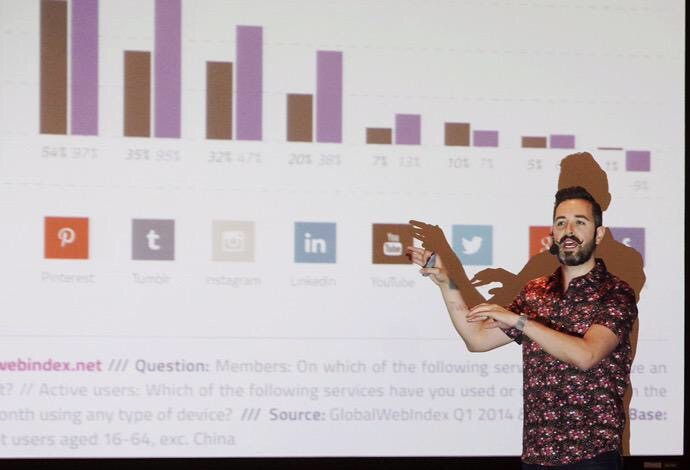
DigiMarCon Keynotes, Panels and Master Classes are facilitated by the foremost thought leaders in the industry, from celebrity social media influencers to CMO’s from the largest Fortune 500 company brands that are disrupting the digital marketing, media and advertising industry, such as Google, Facebook, Microsoft, Amazon, Oracle, Adobe, eBay, Netflix and more. All presentations are pitch-free, and include actionable takeaways, case studies, strategies and tactics, ready to be applied when back in the office.

Premium Comfortable Meeting Spaces

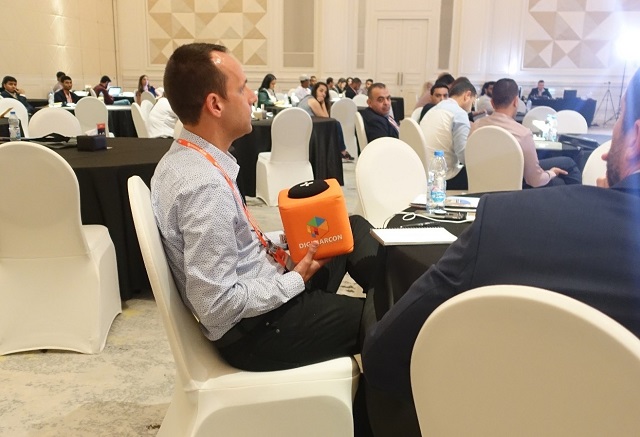
At DigiMarCon Conferences you are never ‘left in the dark’…. literally, in a large room far away from the stage and speakers, crushed in tight theater seating, without even a table, while sitting in the dark. At DigiMarCon all delegates have premium meeting space in luxurious ballroom well-lit spaces, with comfortable seating with table enabling delegates to use their laptop to take notes with ample charging facilities onsite in a comfortable space to learn and thrive. All tables are situated close with direct view of the stage.

Value for Money & Generous Discounts

DigiMarCon Conferences are affordable to attend, from single-day event passes up to two-day VIP options at a fraction of the cost of other industry events. We offer significant discounts for early bird registrations. Additionally, on top of time-limited discount pass rates, because budgets are tight, we want to make sure all groups have a chance to attend DigiMarCon. For government employees, students, academic, startups, non-profit organizations and teams, we offer generous discounts off the prevailing registration price.

Collaborative Learning & Audience Participation

Attend DigiMarCon and you become part of the show! DigiMarCon Conferences tap into the talent of the room, drawing from the knowledge and experience of the professionals in the audience. All DigiMarCon events include regular interactive question and answer sessions with speakers and the audience ideal for collaboration, audience polls, along with ice-breaker and group exercises, steered by charismatic Emcees.

Meet the Speakers in Person

DigiMarCon Conferences put you right up and close with the speakers giving you the opportunity to meet these social media influencers which you follow in person. Speakers are never hidden in private speaker rooms away from the audience, they are in the auditorium sitting right beside you and participating.

Exceptional Customer Service

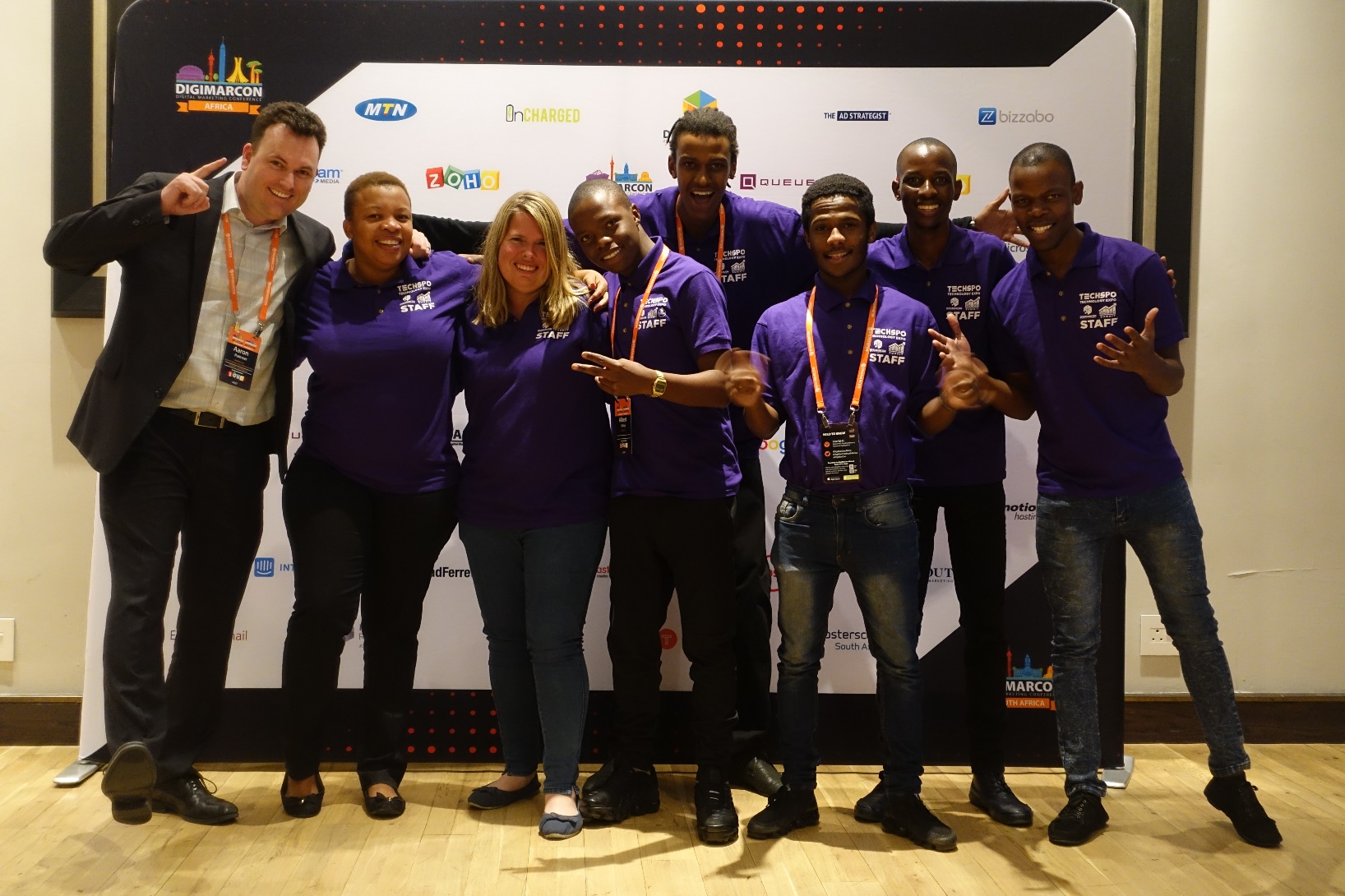
Attending a conference is a well-researched decision. There are many factors to consider such as location, time, venue, cost, speakers, content, etc. At DigiMarCon our results-obsessed Customer Service team are at your service before, during and after the event to help with your needs. It’s at the core of what we do — it drives our business. Offsite, we are ready to assist you via phone, ticket or chat. Onsite at our Conferences, friendly DigiMarCon staff serve as your hosts. They welcome your input and are happy to assist you.

TECHSPO Technology Expo

At all DigiMarCon Conferences is the co-located exclusive event TECHSPO Technology Expo, which showcases the new generation of technology and innovation, including; AdTech, MarTech, Internet, Mobile and SaaS technologies. Be inspired, amazed and educated on how these evolving technologies will impact your business for the better. Unlimited Access to TECHSPO Technology Expo is included with all DigiMarCon passes.

On Demand Library Access

DigiMarCon All Access & VIP Passes include a 12-month on demand access to hundreds of hours of DigiMarCon speaker keynotes, panels and master class presentations from recent DigiMarCon Conferences, including videos, slide decks and key takeaways, available on demand so you can watch what you want, when you want.

The Largest Digital Marketing, Media & Advertising Community

Attendees of DigiMarcon Conferences gain membership to an exclusive global Digital Marketing, Media and Advertising Community of over 500,000 worldwide subscribers to our award-winning digital marketing blog and over 100,000 members to the International Association of Digital Marketing Professionals (visit https://iadmp.org). This global community comprises of innovators, senior marketers and branders, entrepreneurs, digital executives and professionals, web & mobile strategists, designers and web project managers, business leaders, business developers, agency executives and their teams and anyone else who operates in the digital community who leverage digital, mobile, and social media marketing. We provide updates to the latest whitepapers and industry reports to keep you updated on trends, innovation and best practice digital marketing.

Safe, Clean & Hygienic Event Environment

The events industry has forever changed in a world affected by COVID-19. The health and safety of our guests, staff and community is our highest priority and paramount. The team at DigiMarCon is dedicated to ensuring a great experience at our in-person events, and that includes providing a safe, clean and hygienic environment for our delegates. Some of the key areas we have implemented safe and hygienic measures include;

  • Limiting Venue Capacities to allow for Social Distancing
  • Health and Safety Protocols
  • Safe Food and Beverages and Food-handling
  • Sanitation Stations with Hand Sanitizer and Wet Wipes Dispensers
  • Sanitation and Disinfection of Common and High-Traffic Areas
  • Physical Distancing Measures Between Attendees
  • Social Distancing Room and Seating Configurations
  • Non-Contact Thermal Temperature Scanning

Hybrid Events: Attend In-Person or Online

DigiMarCon has always been industry leaders of the Hybrid Event experience for years (a hybrid event combines a "live" in-person event with a "virtual" online component), no one needs to miss out on attending our events. Each DigiMarCon Conference can be attended in-person (with a Main Conference, All Access or VIP Pass) or online (with a Virtual Pass) giving attendees a choice for the experience they want to have. Attending virtually by viewing a Live Stream or On Demand enables participation by people who might be unable to attend physically due to travel or time zone constraints or through a wish to reduce the carbon footprint of the event. If you would like to meet the speakers, network with fellow marketing professionals at refreshment breaks, luncheons and evening receptions, check out the latest Internet, Mobile, AdTech, MarTech and SaaS technologies providers exhibiting then it is highly recommended to attend DigiMarCon in-person. As the largest Digital Marketing, Media and Advertising Conference series with events in 33 international cities worldwide, across 13 countries, there is bound to be a DigiMarCon Event near you to attend in-person if you can.

High-Profile Audience From Leading Brands

DigiMarCon Conference Series is the annual gathering of the most powerful brands and senior agency executives in your region. The Sharpest Minds And The Most Influential Decision Makers - Together for Two Days.

Who Attends Our Conferences
Brands • Agencies • Solution & Service Providers • Media Owners • Publishers • Entrepreneurs • Start-Ups • Investors • Government • Corporates • Institutes of Higher Learning

PRICE INCREASES IN
PRICE INCREASES IN: