/* Custom style for animate.css. Lines 1-17 moved to frontend/_animate.scss */ @keyframes bounce { from, 20%, 53%, 80%, to { animation-timing-function: cubic-bezier(0.215, 0.610, 0.355, 1.000); transform: translate3d(0,0,0); } 40%, 43% { animation-timing-function: cubic-bezier(0.755, 0.050, 0.855, 0.060); transform: translate3d(0, -30px, 0); } 70% { animation-timing-function: cubic-bezier(0.755, 0.050, 0.855, 0.060); transform: translate3d(0, -15px, 0); } 90% { transform: translate3d(0,-4px,0); } } .bounce { animation-name: bounce; transform-origin: center bottom; } @keyframes flash { from, 50%, to { opacity: 1; } 25%, 75% { opacity: 0; } } .flash { animation-name: flash; } /* originally authored by Nick Pettit - https://github.com/nickpettit/glide */ @keyframes pulse { from { transform: scale3d(1, 1, 1); } 50% { transform: scale3d(1.05, 1.05, 1.05); } to { transform: scale3d(1, 1, 1); } } .pulse { animation-name: pulse; } @keyframes rubberBand { from { transform: scale3d(1, 1, 1); } 30% { transform: scale3d(1.25, 0.75, 1); } 40% { transform: scale3d(0.75, 1.25, 1); } 50% { transform: scale3d(1.15, 0.85, 1); } 65% { transform: scale3d(.95, 1.05, 1); } 75% { transform: scale3d(1.05, .95, 1); } to { transform: scale3d(1, 1, 1); } } .rubberBand { animation-name: rubberBand; } @keyframes shake { from, to { transform: translate3d(0, 0, 0); } 10%, 30%, 50%, 70%, 90% { transform: translate3d(-10px, 0, 0); } 20%, 40%, 60%, 80% { transform: translate3d(10px, 0, 0); } } .shake { animation-name: shake; } @keyframes headShake { 0% { transform: translateX(0); } 6.5% { transform: translateX(-6px) rotateY(-9deg); } 18.5% { transform: translateX(5px) rotateY(7deg); } 31.5% { transform: translateX(-3px) rotateY(-5deg); } 43.5% { transform: translateX(2px) rotateY(3deg); } 50% { transform: translateX(0); } } .headShake { animation-timing-function: ease-in-out; animation-name: headShake; } @keyframes swing { 20% { transform: rotate3d(0, 0, 1, 15deg); } 40% { transform: rotate3d(0, 0, 1, -10deg); } 60% { transform: rotate3d(0, 0, 1, 5deg); } 80% { transform: rotate3d(0, 0, 1, -5deg); } to { transform: rotate3d(0, 0, 1, 0deg); } } .swing { transform-origin: top center; animation-name: swing; } @keyframes tada { from { transform: scale3d(1, 1, 1); } 10%, 20% { transform: scale3d(.9, .9, .9) rotate3d(0, 0, 1, -3deg); } 30%, 50%, 70%, 90% { transform: scale3d(1.1, 1.1, 1.1) rotate3d(0, 0, 1, 3deg); } 40%, 60%, 80% { transform: scale3d(1.1, 1.1, 1.1) rotate3d(0, 0, 1, -3deg); } to { transform: scale3d(1, 1, 1); } } .tada { animation-name: tada; } /* originally authored by Nick Pettit - https://github.com/nickpettit/glide */ @keyframes wobble { from { transform: none; } 15% { transform: translate3d(-25%, 0, 0) rotate3d(0, 0, 1, -5deg); } 30% { transform: translate3d(20%, 0, 0) rotate3d(0, 0, 1, 3deg); } 45% { transform: translate3d(-15%, 0, 0) rotate3d(0, 0, 1, -3deg); } 60% { transform: translate3d(10%, 0, 0) rotate3d(0, 0, 1, 2deg); } 75% { transform: translate3d(-5%, 0, 0) rotate3d(0, 0, 1, -1deg); } to { transform: none; } } .wobble { animation-name: wobble; } @keyframes jello { from, 11.1%, to { transform: none; } 22.2% { transform: skewX(-12.5deg) skewY(-12.5deg); } 33.3% { transform: skewX(6.25deg) skewY(6.25deg); } 44.4% { transform: skewX(-3.125deg) skewY(-3.125deg); } 55.5% { transform: skewX(1.5625deg) skewY(1.5625deg); } 66.6% { transform: skewX(-0.78125deg) skewY(-0.78125deg); } 77.7% { transform: skewX(0.390625deg) skewY(0.390625deg); } 88.8% { transform: skewX(-0.1953125deg) skewY(-0.1953125deg); } } .jello { animation-name: jello; transform-origin: center; } @keyframes bounceIn { from, 20%, 40%, 60%, 80%, to { animation-timing-function: cubic-bezier(0.215, 0.610, 0.355, 1.000); } 0% { opacity: 0; transform: scale3d(.3, .3, .3); } 20% { transform: scale3d(1.1, 1.1, 1.1); } 40% { transform: scale3d(.9, .9, .9); } 60% { opacity: 1; transform: scale3d(1.03, 1.03, 1.03); } 80% { transform: scale3d(.97, .97, .97); } to { opacity: 1; transform: scale3d(1, 1, 1); } } .bounceIn { animation-name: bounceIn; } @keyframes bounceInDown { from, 60%, 75%, 90%, to { animation-timing-function: cubic-bezier(0.215, 0.610, 0.355, 1.000); } 0% { opacity: 0; transform: translate3d(0, -3000px, 0); } 60% { opacity: 1; transform: translate3d(0, 25px, 0); } 75% { transform: translate3d(0, -10px, 0); } 90% { transform: translate3d(0, 5px, 0); } to { transform: none; } } .bounceInDown { animation-name: bounceInDown; } @keyframes bounceInLeft { from, 60%, 75%, 90%, to { animation-timing-function: cubic-bezier(0.215, 0.610, 0.355, 1.000); } 0% { opacity: 0; transform: translate3d(-3000px, 0, 0); } 60% { opacity: 1; transform: translate3d(25px, 0, 0); } 75% { transform: translate3d(-10px, 0, 0); } 90% { transform: translate3d(5px, 0, 0); } to { transform: none; } } .bounceInLeft { animation-name: bounceInLeft; } @keyframes bounceInRight { from, 60%, 75%, 90%, to { animation-timing-function: cubic-bezier(0.215, 0.610, 0.355, 1.000); } from { opacity: 0; transform: translate3d(3000px, 0, 0); } 60% { opacity: 1; transform: translate3d(-25px, 0, 0); } 75% { transform: translate3d(10px, 0, 0); } 90% { transform: translate3d(-5px, 0, 0); } to { transform: none; } } .bounceInRight { animation-name: bounceInRight; } @keyframes bounceInUp { from, 60%, 75%, 90%, to { animation-timing-function: cubic-bezier(0.215, 0.610, 0.355, 1.000); } from { opacity: 0; transform: translate3d(0, 3000px, 0); } 60% { opacity: 1; transform: translate3d(0, -20px, 0); } 75% { transform: translate3d(0, 10px, 0); } 90% { transform: translate3d(0, -5px, 0); } to { transform: translate3d(0, 0, 0); } } .bounceInUp { animation-name: bounceInUp; } @keyframes fadeIn { from { opacity: 0; } to { opacity: 1; } } .fadeIn { animation-name: fadeIn; } @keyframes fadeInDown { from { opacity: 0; transform: translate3d(0, -100%, 0); } to { opacity: 1; transform: none; } } .fadeInDown { animation-name: fadeInDown; } @keyframes fadeInLeft { from { opacity: 0; transform: translate3d(-100%, 0, 0); } to { opacity: 1; transform: none; } } .fadeInLeft { animation-name: fadeInLeft; } @keyframes fadeInRight { from { opacity: 0; transform: translate3d(100%, 0, 0); } to { opacity: 1; transform: none; } } .fadeInRight { animation-name: fadeInRight; } @keyframes fadeInUp { from { opacity: 0; transform: translate3d(0, 100%, 0); } to { opacity: 1; transform: none; } } .fadeInUp { animation-name: fadeInUp; } @keyframes lightSpeedIn { from { transform: translate3d(100%, 0, 0) skewX(-30deg); opacity: 0; } 60% { transform: skewX(20deg); opacity: 1; } 80% { transform: skewX(-5deg); opacity: 1; } to { transform: none; opacity: 1; } } .lightSpeedIn { animation-name: lightSpeedIn; animation-timing-function: ease-out; } @keyframes rotateIn { from { transform-origin: center; transform: rotate3d(0, 0, 1, -200deg); opacity: 0; } to { transform-origin: center; transform: none; opacity: 1; } } .rotateIn { animation-name: rotateIn; } @keyframes rotateInDownLeft { from { transform-origin: left bottom; transform: rotate3d(0, 0, 1, -45deg); opacity: 0; } to { transform-origin: left bottom; transform: none; opacity: 1; } } .rotateInDownLeft { animation-name: rotateInDownLeft; } @keyframes rotateInDownRight { from { transform-origin: right bottom; transform: rotate3d(0, 0, 1, 45deg); opacity: 0; } to { transform-origin: right bottom; transform: none; opacity: 1; } } .rotateInDownRight { animation-name: rotateInDownRight; } @keyframes rotateInUpLeft { from { transform-origin: left bottom; transform: rotate3d(0, 0, 1, 45deg); opacity: 0; } to { transform-origin: left bottom; transform: none; opacity: 1; } } .rotateInUpLeft { animation-name: rotateInUpLeft; } @keyframes rotateInUpRight { from { transform-origin: right bottom; transform: rotate3d(0, 0, 1, -90deg); opacity: 0; } to { transform-origin: right bottom; transform: none; opacity: 1; } } .rotateInUpRight { animation-name: rotateInUpRight; } /* originally authored by Nick Pettit - https://github.com/nickpettit/glide */ @keyframes rollIn { from { opacity: 0; transform: translate3d(-100%, 0, 0) rotate3d(0, 0, 1, -120deg); } to { opacity: 1; transform: none; } } .rollIn { animation-name: rollIn; } @keyframes zoomIn { from { opacity: 0; transform: scale3d(.3, .3, .3); } 50% { opacity: 1; } } .zoomIn { animation-name: zoomIn; } @keyframes zoomInDown { from { opacity: 0; transform: scale3d(.1, .1, .1) translate3d(0, -1000px, 0); animation-timing-function: cubic-bezier(0.550, 0.055, 0.675, 0.190); } 60% { opacity: 1; transform: scale3d(.475, .475, .475) translate3d(0, 60px, 0); animation-timing-function: cubic-bezier(0.175, 0.885, 0.320, 1); } } .zoomInDown { animation-name: zoomInDown; } @keyframes zoomInLeft { from { opacity: 0; transform: scale3d(.1, .1, .1) translate3d(-1000px, 0, 0); animation-timing-function: cubic-bezier(0.550, 0.055, 0.675, 0.190); } 60% { opacity: 1; transform: scale3d(.475, .475, .475) translate3d(10px, 0, 0); animation-timing-function: cubic-bezier(0.175, 0.885, 0.320, 1); } } .zoomInLeft { animation-name: zoomInLeft; } @keyframes zoomInRight { from { opacity: 0; transform: scale3d(.1, .1, .1) translate3d(1000px, 0, 0); animation-timing-function: cubic-bezier(0.550, 0.055, 0.675, 0.190); } 60% { opacity: 1; transform: scale3d(.475, .475, .475) translate3d(-10px, 0, 0); animation-timing-function: cubic-bezier(0.175, 0.885, 0.320, 1); } } .zoomInRight { animation-name: zoomInRight; } @keyframes zoomInUp { from { opacity: 0; transform: scale3d(.1, .1, .1) translate3d(0, 1000px, 0); animation-timing-function: cubic-bezier(0.550, 0.055, 0.675, 0.190); } 60% { opacity: 1; transform: scale3d(.475, .475, .475) translate3d(0, -60px, 0); animation-timing-function: cubic-bezier(0.175, 0.885, 0.320, 1); } } .zoomInUp { animation-name: zoomInUp; } @keyframes slideInDown { from { transform: translate3d(0, -100%, 0); visibility: visible; } to { transform: translate3d(0, 0, 0); } } .slideInDown { animation-name: slideInDown; } @keyframes slideInLeft { from { transform: translate3d(-100%, 0, 0); visibility: visible; } to { transform: translate3d(0, 0, 0); } } .slideInLeft { animation-name: slideInLeft; } @keyframes slideInRight { from { transform: translate3d(100%, 0, 0); visibility: visible; } to { transform: translate3d(0, 0, 0); } } .slideInRight { animation-name: slideInRight; } @keyframes slideInUp { from { transform: translate3d(0, 100%, 0); visibility: visible; } to { transform: translate3d(0, 0, 0); } } .slideInUp { animation-name: slideInUp; } {"content":[{"id":"8e94176","elType":"section","settings":{"content_width":{"unit":"px","size":740},"gap":"wider","custom_height":{"unit":"vh","size":100},"content_position":"middle","background_background":"video","background_video_link":"https:\/\/youtu.be\/DsYNaw4qoJw","background_overlay_background":"classic","background_overlay_color":"#000000","background_overlay_color_b":"#9d56c9","background_overlay_gradient_angle":{"unit":"deg","size":270},"padding":{"unit":"px","top":"0","right":"0","bottom":"0","left":"0","isLinked":false},"background_overlay_opacity":{"unit":"px","size":0.29},"height":"min-height","custom_height_mobile":{"unit":"vh","size":100},"background_video_fallback":{"url":"https:\/\/library.elementor.com\/wp-content\/uploads\/2018\/05\/background-Fallback-404.1.jpg","id":8572}},"elements":[{"id":"6e18aaf6","elType":"column","settings":{"_column_size":100,"_inline_size":null,"padding_mobile":{"unit":"px","top":"15","right":"15","bottom":"15","left":"15","isLinked":true}},"elements":[{"id":"36333044","elType":"widget","settings":{"title":"404","header_size":"p","align":"center","title_color":"#ffffff","typography_typography":"custom","typography_font_size":{"unit":"px","size":249},"typography_font_weight":"bold","typography_font_size_tablet":{"unit":"px","size":200},"typography_font_size_mobile":{"unit":"px","size":160}},"elements":[],"widgetType":"heading"},{"id":"737f2c7b","elType":"widget","settings":{"title":"The page you were looking for couldn't be found","header_size":"h3","align":"center","title_color":"#ffffff","typography_typography":"custom","typography_font_size":{"unit":"px","size":39},"typography_font_weight":"300","typography_text_transform":"capitalize","typography_font_size_tablet":{"unit":"px","size":40},"typography_font_size_mobile":{"unit":"px","size":20},"typography_line_height_tablet":{"unit":"px","size":50},"typography_line_height_mobile":{"unit":"px","size":25}},"elements":[],"widgetType":"heading"},{"id":"7fe5f44","elType":"widget","settings":{"icon":"fa fa-font-awesome","primary_color":"#ffffff","_margin":{"unit":"px","top":"60","right":"0","bottom":"60","left":"0","isLinked":false},"size":{"unit":"px","size":60},"_margin_mobile":{"unit":"px","top":"25","right":"0","bottom":"25","left":"0","isLinked":false}},"elements":[],"widgetType":"icon"},{"id":"62b0497c","elType":"widget","settings":{"icon_list":[{"text":"Home Page","icon":"fa fa-angle-right","_id":"f9100b7","link":{"url":"","is_external":"","nofollow":""}},{"text":"Services","icon":"fa fa-angle-right","_id":"6e554ae","link":{"url":"","is_external":"","nofollow":""}},{"text":"About","icon":"fa fa-angle-right","_id":"0816417","link":{"url":"","is_external":"","nofollow":""}},{"text":"Blog","icon":"fa fa-angle-right","_id":"d8c317a","link":{"url":"","is_external":"","nofollow":""}},{"text":"Contact Us","icon":"fa fa-angle-right","_id":"123a835","link":{"url":"","is_external":"","nofollow":""}}],"space_between":{"unit":"px","size":13},"icon_color":"#ffffff","text_indent":{"unit":"px","size":10},"icon_typography_typography":"custom","icon_typography_font_size":{"unit":"px","size":16},"_margin":{"unit":"px","top":"30","right":"0","bottom":"0","left":"0","isLinked":false},"view":"inline","icon_align":"center","text_color":"#ffffff","icon_typography_font_weight":"500","icon_typography_text_transform":"uppercase","icon_typography_font_size_tablet":{"unit":"px","size":16},"icon_typography_font_size_mobile":{"unit":"px","size":14},"icon_typography_line_height_mobile":{"unit":"px","size":29}},"elements":[],"widgetType":"icon-list"}],"isInner":false}],"isInner":false}],"page_settings":[]} DigiMarCon Latam- Digital Marketing, Media and Advertising Conference & ExhibitionThe Legality of Online Betting Around the World
 
Miami, FL
HYATT REGENCY MIAMI
JUNE 16 - 17, 2025
 
DOWNLOAD BROCHURE

The Legality of Online Betting Around the World

January 04, 2025
Roy Pepito

In recent years, the landscape of gambling has undergone significant transformations, influenced by advances in technology and shifting societal norms. Various legal restrictions impose constraints on what is permissible in different nations, often resulting in a complex tapestry of gambling laws that vary widely from region to region. These regulations dictate the parameters within which operators can function, creating a challenging environment for both players and providers.

Many jurisdictions have instituted betting bans to curtail illicit activities or to protect their citizens from potential harms associated with gambling. Conversely, progressive regions have embraced regulated markets, allowing international gambling enterprises to thrive while ensuring consumer protection and regulatory compliance. Understanding the nuances of country regulations is crucial for anyone looking to navigate this ever-evolving sphere.

As individuals explore opportunities for engaging with licensed sportsbooks, it is imperative to grasp how online betting legality varies from one nation to another. Compliance with local laws not only safeguards consumers but also fosters a responsible environment for wagering activities. By delving into the specific legal parameters established across diverse territories, one can gain insights into the broader implications of gambling policies on a global scale.

Regulatory Frameworks for Online Betting in the European Union

The European Union (EU) presents a complex landscape concerning international gambling, with each member state implementing its own gambling policies. This fragmentation often leads to varying degrees of acceptance and restrictions relating to wagering practices, creating a patchwork of regulations that operators must navigate.

Member countries have adopted diverse approaches, with some embracing regulated markets to create robust environments for licensed sportsbooks while others impose stringent betting bans. These measures are shaped by cultural attitudes towards gaming, economic considerations, and public interests, resulting in a spectrum of compliance requirements that operators must meet.

Gambling laws in the EU are not uniform; each nation has the power to define its own country regulations. This autonomy allows for innovation and tailored solutions that resonate with local populations but can complicate cross-border operations for international gambling providers. As a result, understanding each jurisdiction’s rules is paramount for ensuring legal and successful participation in this dynamic sector.

In an environment characterized by evolving attitudes and regulatory shifts, entities wishing to enter the market must prioritize due diligence regarding online betting legality. Engaging in proactive compliance strategies is essential to align with varying gambling policies and enhance operational viability across different EU countries.

Key Differences in Online Betting Laws in Asia

The landscape of gambling regulations in Asia is diverse, with each nation adopting unique policies that reflect its cultural and political environment. These variations give rise to a complex matrix of compliance challenges for operators seeking access to regulated markets.

In countries like China, betting bans are strictly enforced, with severe penalties for unauthorized operators. Alternately, Macau stands out as a global hub for licensed sportsbooks, showcasing a model where international gambling thrives under stringent legal frameworks.

In contrast, Japan recently introduced regulated systems for certain forms of gambling, but legal restrictions are still prevalent for other activities. This duality results in a somewhat ambiguous standing for punters and businesses alike, particularly in regard to compliance with the evolving regulatory landscape.

Another notable example is India, where gambling policies vary significantly by state. While some regions allow for regulated sports wagering, others impose outright bans, leading to inconsistencies in enforcement and access to legal options. This fragmented approach complicates the establishment of a cohesive strategy for international operators looking to enter these markets.

Overall, the intricate patchwork of gambling laws in Asia requires a nuanced understanding of the specific regulations in each jurisdiction. Stakeholders must navigate these challenges carefully to ensure adherence to local statutes while maximizing opportunities in a burgeoning industry.

Understanding Online Betting Legislation in the United States

In the United States, compliance with gambling policies varies significantly from one state to another, creating a complex landscape for players and operators alike. While federal laws set certain parameters, individual states have the authority to regulate their own markets, leading to a patchwork of rules and regulations regarding international gambling.

Following the repeal of PASPA in 2018, many states began to establish licensed sportsbooks, allowing them to offer various forms of wagering. As a result, a number of states have embraced regulations that encourage responsible gambling and consumer protection, while others maintain outright betting bans. This divergence highlights the importance of understanding local laws when participating in these activities.

States like New Jersey and Pennsylvania have emerged as regulated markets with robust frameworks aimed at ensuring integrity and security for bettors. Conversely, states such as Utah and Hawaii uphold strict gambling laws that prohibit all forms of wagering. This inconsistency necessitates a thorough awareness of the specific country regulations in place, as well as the implications for players considering platforms such as starbet.”

As operators navigate this intricate environment, adhering to state-specific gambling policies becomes essential for sustainable business practices. Compliance is not only a legal requirement but also a key factor in building trust with users. As more jurisdictions continue to evaluate and potentially revise their positions on betting, the future promises ongoing changes and developments in this dynamic sector.

For those looking to engage with both regulated and unregulated services, accessing platforms through appropriate channels, such as “starbet login,” can help ensure a safer and more informed experience.

Questions and answers:

What are the legal regulations for online betting in the United States?

In the United States, the legality of online betting varies by state. The landmark Supreme Court decision in 2018 allowed states to legalize and regulate sports betting if they chose to do so. Some states like New Jersey and Pennsylvania have embraced sports betting and online casinos, while others maintain strict prohibitions. It’s crucial for players to verify the specific laws in their state before participating in online betting activities.

How does online betting law differ in Europe compared to other regions?

In Europe, many countries have established clear frameworks for online betting. The UK, for instance, has a well-regulated market under the UK Gambling Commission, ensuring that operators comply with strict standards. Other countries like Germany and France have varied regulations, often requiring licenses for both domestic and international operators. In contrast, regions with less structured laws may pose risks for players regarding the safety and legitimacy of online betting platforms.

Can I legally bet online if I am located in a country where online gambling is banned?

Legality in such cases can be complex. If online gambling is banned in your country, participating in online betting can result in legal repercussions. Sometimes, players choose to use foreign websites that may accept them, but this may also be illegal according to their home country’s laws. It is advisable to consult local laws and regulations or seek legal advice before engaging in online betting activities if you are in a restricted area.

What international laws affect online betting and how do they impact players?

International laws governing online betting, such as those related to anti-money laundering and consumer protection, can influence how online betting operators function across borders. Additionally, agreements like the Malta Gaming Authority’s regulations can provide a safety net for players. However, players may need to navigate various laws depending on their location and the jurisdictions of the betting platforms they choose to use. This can create a patchwork of legal situations for users globally.

Are there any protections for players participating in online betting?

Yes, in many jurisdictions where online betting is legal, players are protected by regulations that mandate responsible gambling practices. Licensing agencies often require operators to implement measures for player protection, such as deposit limits, self-exclusion options, and access to support resources. While protections vary by region, reputable betting sites often have policies in place to ensure a fair and secure environment for their users.

GET YOUR FREE DIGIMARCON BROCHURE AND
NEVER MISS AN UPDATE

Sign up for email updates and get your the FREE DigiMarCon Miami brochure and stay in the know about all things DigiMarCon including price changes, discounts, and the latest speakers added to the schedule.

The DigiMarCon Difference

Business and marketing professionals have a lot of choice in events to attend.
As the Premier Digital Marketing, Media and Advertising Conference & Exhibition Series worldwide
see why DigiMarCon stands out above the rest in the marketing industry
and why delegates keep returning year after year

Global Event Series

DigiMarCon is the Largest Digital Marketing, Media and Advertising Conference & Exhibition series in the world, with annual events held in all continents (North America, Latin America, Europe, UK, Asia Pacific, Middle East and Africa) in 13 countries (United States, Canada, Australia, New Zealand, United Kingdom, Ireland, Netherlands, Spain, Brazil, Singapore, India, United Arab Emirates and South Africa), across 33 cities (New York, Philadelphia, Boston, Toronto, Vancouver, Montreal, Houston, Dallas, Chicago, Los Angeles, San Francisco, Seattle, Washington DC, New Orleans, Atlanta, Detroit, Miami, Denver, San Diego, Phoenix, Las Vegas, Honolulu, London, Dublin, Amsterdam, Barcelona, Johannesburg, Cape Town, Dubai, Sydney, Auckland, Singapore and Sao Paulo). All DigiMarCon Events can be attended in-person or online. Wherever you are located there is a regional DigiMarCon event nearby you can attend.

5-Star Luxury Event Venues

DigiMarCon Conferences are held in top luxury 5-star event venues across the world such as; Royal Caribbean Cruise Ships, Olympic Stadiums, Marina Bay Sands Expo & Convention Centre and Wynn, JW Marriott, Marriott Marquis, Hyatt Regency, InterContinental, The Westin, Renaissance, Hilton, Conrad, W, Sheraton, Loews and Sofitel Hotel properties. Discount hotel room rates at each venue hotel means no hassle getting to and from the venue each day.

Extensive & Memorable Networking Experiences

Building relationships matter! At DigiMarCon Conferences we have more networking breaks on our program than others. On average there are 8 Networking breaks at each event giving delegates ample opportunities in a relaxed atmosphere to meet others over the 2-days at the event; from 1-hour round table networking luncheons to 3-hour dinner receptions. These networking breaks are set in picturesque locations to facilitate memorable experiences while fostering new relationships. Such experiences include enjoying cocktails and the Sunset over the Pacific Ocean on a private Ocean Terrace in Santa Monica, to being on the Sydney Olympic Stadium playing arena at night enjoying cocktails under the lights, to dining at the 360 Revolving Restaurant at the top of the CN Tower in Toronto for a Dinner Reception, enjoying cocktails on a private promenade overlooking Times Square in New York City, or having fun at the Dazzles Night Club onboard the Royal Caribbean Oasis of the Seas for a Farewell Party, etc.

Industry Thought Leaders from Leading Brands

DigiMarCon Keynotes, Panels and Master Classes are facilitated by the foremost thought leaders in the industry, from celebrity social media influencers to CMO’s from the largest Fortune 500 company brands that are disrupting the digital marketing, media and advertising industry, such as Google, Facebook, Microsoft, Amazon, Oracle, Adobe, eBay, Netflix and more. All presentations are pitch-free, and include actionable takeaways, case studies, strategies and tactics, ready to be applied when back in the office.

Premium Comfortable Meeting Spaces

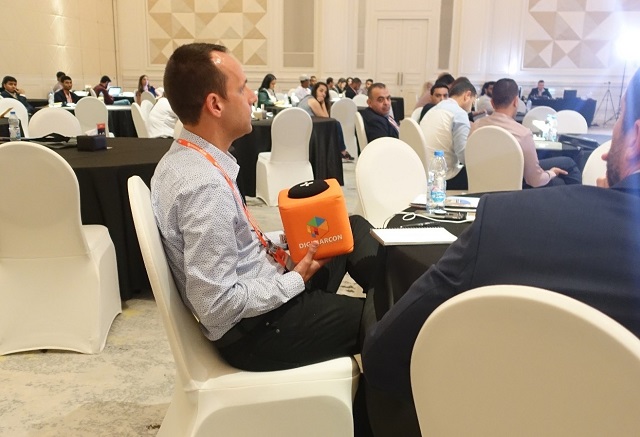
At DigiMarCon Conferences you are never ‘left in the dark’…. literally, in a large room far away from the stage and speakers, crushed in tight theater seating, without even a table, while sitting in the dark. At DigiMarCon all delegates have premium meeting space in luxurious ballroom well-lit spaces, with comfortable seating with table enabling delegates to use their laptop to take notes with ample charging facilities onsite in a comfortable space to learn and thrive. All tables are situated close with direct view of the stage.

Value for Money & Generous Discounts

DigiMarCon Conferences are affordable to attend, from single-day event passes up to two-day VIP options at a fraction of the cost of other industry events. We offer significant discounts for early bird registrations. Additionally, on top of time-limited discount pass rates, because budgets are tight, we want to make sure all groups have a chance to attend DigiMarCon. For government employees, students, academic, startups, non-profit organizations and teams, we offer generous discounts off the prevailing registration price.

Collaborative Learning & Audience Participation

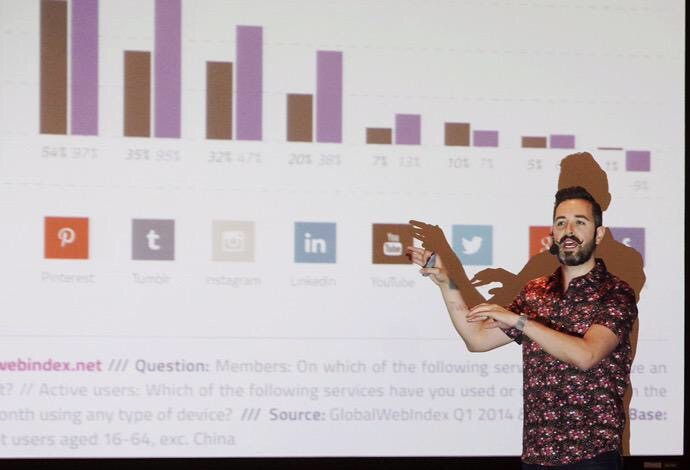
Attend DigiMarCon and you become part of the show! DigiMarCon Conferences tap into the talent of the room, drawing from the knowledge and experience of the professionals in the audience. All DigiMarCon events include regular interactive question and answer sessions with speakers and the audience ideal for collaboration, audience polls, along with ice-breaker and group exercises, steered by charismatic Emcees.

Meet the Speakers in Person

DigiMarCon Conferences put you right up and close with the speakers giving you the opportunity to meet these social media influencers which you follow in person. Speakers are never hidden in private speaker rooms away from the audience, they are in the auditorium sitting right beside you and participating.

Exceptional Customer Service

Attending a conference is a well-researched decision. There are many factors to consider such as location, time, venue, cost, speakers, content, etc. At DigiMarCon our results-obsessed Customer Service team are at your service before, during and after the event to help with your needs. It’s at the core of what we do — it drives our business. Offsite, we are ready to assist you via phone, ticket or chat. Onsite at our Conferences, friendly DigiMarCon staff serve as your hosts. They welcome your input and are happy to assist you.

TECHSPO Technology Expo

At all DigiMarCon Conferences is the co-located exclusive event TECHSPO Technology Expo, which showcases the new generation of technology and innovation, including; AdTech, MarTech, Internet, Mobile and SaaS technologies. Be inspired, amazed and educated on how these evolving technologies will impact your business for the better. Unlimited Access to TECHSPO Technology Expo is included with all DigiMarCon passes.

On Demand Library Access

DigiMarCon All Access & VIP Passes include a 12-month on demand access to hundreds of hours of DigiMarCon speaker keynotes, panels and master class presentations from recent DigiMarCon Conferences, including videos, slide decks and key takeaways, available on demand so you can watch what you want, when you want.

The Largest Digital Marketing, Media & Advertising Community

Attendees of DigiMarcon Conferences gain membership to an exclusive global Digital Marketing, Media and Advertising Community of over 500,000 worldwide subscribers to our award-winning digital marketing blog and over 100,000 members to the International Association of Digital Marketing Professionals (visit https://iadmp.org). This global community comprises of innovators, senior marketers and branders, entrepreneurs, digital executives and professionals, web & mobile strategists, designers and web project managers, business leaders, business developers, agency executives and their teams and anyone else who operates in the digital community who leverage digital, mobile, and social media marketing. We provide updates to the latest whitepapers and industry reports to keep you updated on trends, innovation and best practice digital marketing.

Safe, Clean & Hygienic Event Environment

The events industry has forever changed in a world affected by COVID-19. The health and safety of our guests, staff and community is our highest priority and paramount. The team at DigiMarCon is dedicated to ensuring a great experience at our in-person events, and that includes providing a safe, clean and hygienic environment for our delegates. Some of the key areas we have implemented safe and hygienic measures include;

  • Limiting Venue Capacities to allow for Social Distancing
  • Health and Safety Protocols
  • Safe Food and Beverages and Food-handling
  • Sanitation Stations with Hand Sanitizer and Wet Wipes Dispensers
  • Sanitation and Disinfection of Common and High-Traffic Areas
  • Physical Distancing Measures Between Attendees
  • Social Distancing Room and Seating Configurations
  • Non-Contact Thermal Temperature Scanning

Hybrid Events: Attend In-Person or Online

DigiMarCon has always been industry leaders of the Hybrid Event experience for years (a hybrid event combines a "live" in-person event with a "virtual" online component), no one needs to miss out on attending our events. Each DigiMarCon Conference can be attended in-person (with a Main Conference, All Access or VIP Pass) or online (with a Virtual Pass) giving attendees a choice for the experience they want to have. Attending virtually by viewing a Live Stream or On Demand enables participation by people who might be unable to attend physically due to travel or time zone constraints or through a wish to reduce the carbon footprint of the event. If you would like to meet the speakers, network with fellow marketing professionals at refreshment breaks, luncheons and evening receptions, check out the latest Internet, Mobile, AdTech, MarTech and SaaS technologies providers exhibiting then it is highly recommended to attend DigiMarCon in-person. As the largest Digital Marketing, Media and Advertising Conference series with events in 33 international cities worldwide, across 13 countries, there is bound to be a DigiMarCon Event near you to attend in-person if you can.

High-Profile Audience From Leading Brands

DigiMarCon Conference Series is the annual gathering of the most powerful brands and senior agency executives in your region. The Sharpest Minds And The Most Influential Decision Makers - Together for Two Days.

Who Attends Our Conferences
Brands • Agencies • Solution & Service Providers • Media Owners • Publishers • Entrepreneurs • Start-Ups • Investors • Government • Corporates • Institutes of Higher Learning

PRICE INCREASES IN
PRICE INCREASES IN: